JAKARTA – The business players operating in Indonesia are obliged to protect all of the wild animals in the forested areas , which are part of their concessions.
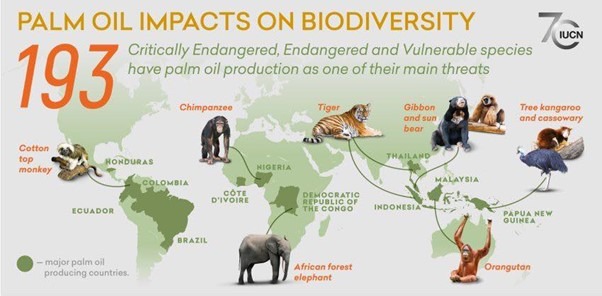
The ministry of environment and forestry’s (KLHK) Sustainable Forest Management Acting Director General (Dirjen PHL) Agus Justianto said on Sunday (10/03/2024) in Jakarta that the obligation is based on the government regulations, including the one applied by KLHK.
“In implementing their businesses, all business players should provide enough space and habitat for the wild animals to live,” he said.
According to him, he had issued a circular letter of Dirjen PHL No: SE.7/ 2022 on protection of wild animals in the concession areas of forest use business licensing (PBPH). The circular letter applies to all business players who operate their businesses based on the PBPH across Indonesia.
Previously, Agus attended a ceremony to release two Sumatran tigers (Panthera Tigris Sumatrae) to their habitat in Gunung Leuser National Park, North Sumatra province, together with Environment and Forestry Minister Siti Nurbaya, Senior Fellow Bezos Earth Fund Lord Goldsmith, and the KLHK’s Natural Resources Conservation and Ecosystem Director General Satyawan Pudyatmoko.
The protection of wild animals is part of the global agenda based on the convention of biodiversity (CBD).
During the Conference of Parties (CoP) CBD in December 2023, participants agreed on 23 targets of Kunming Montreal Global Biodiversity Framework (KM GBF) until 2030. One of the targets is to prevent the loss of biodiversity.
Agus reminded that biodiversity is actually the capital to support the sustainable development and to increase the quality of human life.
He said that for such purposes, Indonesia needs concrete steps to balance economic interest with socio-cultural interest and ecological interest with a view to sustaining the benefits of resources.
To strengthen the regulations on protection of wild animals, the Indonesian government has issued a presidential instruction No:1/2023 on prioritizing the sustainability of biodiversity in Indonesia’s sustainable development. (*)
Source: sawitku.id