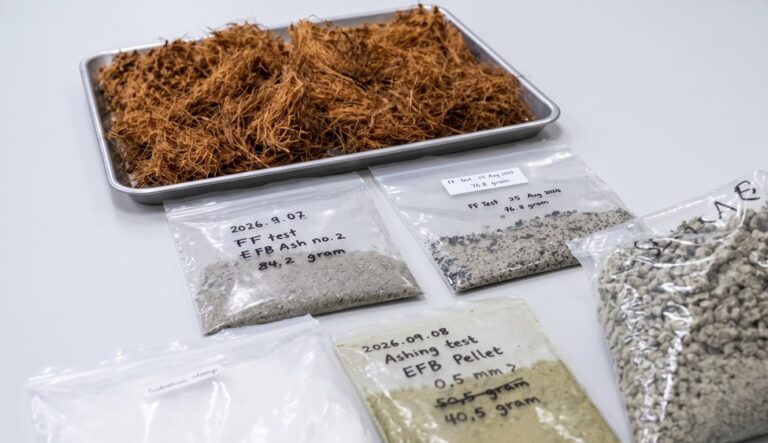
JAKARTA – The ministry of energy and mineral resources (MEMR) has started the trial use of biodiesel 40 percent (B40) on various kinds of heavy equipment. The test is expected to be finalized in December 2024.

The B40 is a mixture of 60 percent fossil diesel fuel and 40 percent fatty acid methyl esters (FAME) from crude palm oil (CPO).
Eniya Listiani Dewi, Director General of New and Renewable Energy and Energy Conservation at the MEMR, said that the B40 will be an upgrading of B35 which has been implemented in Indonesia under the mandatory program of B35 since February 2023.
“Currently, the biodiesel on sale in SPBUs (refueling stations) is still B35. But the government is seeking to upgrade the B35 program to B40 program,” Eniya was quoted by Antara as saying on Thursday (25/04/2024).
She said that besides B40, the government is also seeking to produce eco-friendly sustainable aviation fuel (SAF) one percent for airplanes.
“We’ll accelerate the sustainable aviation fuel. Perhaps, this is a new issue. But we’ll initially use the SAF of one percent for aviation industry,” said Eniya.
Anticipating Carbon Tax
She pointed out that the biofuel policy is part of the government’s efforts to accelerate the reduction of carbon emissions from the use of oil fuels, which include diesel fuel and avtur. “It also aims to anticipate the application of carbon border adjustment mechanism (CBAM) by European Union (EU), which is expected to be effective from 01 January 2026,” she said.
Based on the CBAM policy, Indonesia’s exporters will be charged with carbon tax by EU. “Production activities which cause carbon emissions will be subjected to carbon tax,” she said.
In anticipating such policy, the government is seeking to reduce the carbon emissions in production and distribution of Indonesia’s export products. “Hopefully, various steps taken by the government will reform our industries so that our exporters will be ready in dealing with the EU’s policy of CBAM,” she said.
EU applies the CBAM policy to reduce what it calls “carbon leak” as a result of relocation of European companies to countries with lenient policies of climate change.
EU has started a transition stage of applying the CBAM policy on 01 October 2023 and will make it effective since 01 January 2026. (*)
Source: sawitkita.id