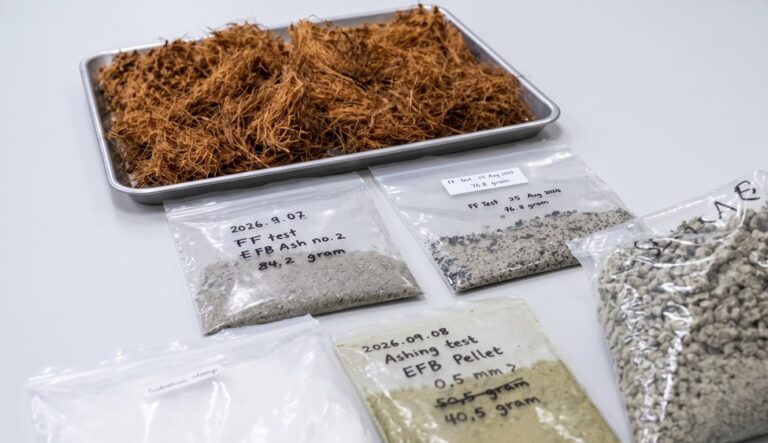
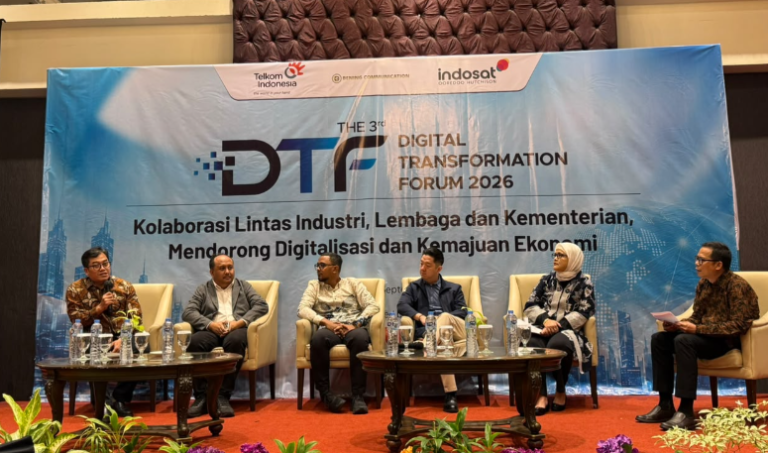
JAKARTA – The palm oil is seen as the most prepared commodity to support Indonesia’s efforts of realizing the net zero emission (NZE) in industrial sectors in 2050.
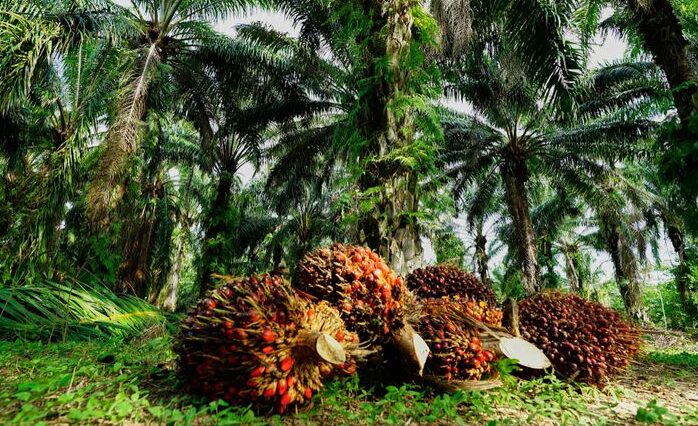
Director of Marine and Plantation Industries at the industry ministry’s agroindustry directorate general, Setiadi Diarta said that under the Indonesia Emas (Golden Indonesia) 2045, the palm oil industry has been directed toward reducing the carbon emissions.
“Our main target is the development of our palm oil industry based on the principles of sustainability and traceability as a requirement for its acceptability at the global market,” he said when addressing the 2nd Technology and Talent Palm Oil Mill Indonesian (2nd TPOMI S2024) in Bandung, West Java province, as reported by Antara on Wednesday (24/07/2024).
Setiadi said that the economic value of palm oil sector from upstream to downstream reached more than Rp750 trillion per year, or 3.5% of Indonesia’s total GDP in 2023 at Rp20,892 trillion.
Achmad Mangga Barani, former director general of plantations at the agriculture ministry during 2006 – 2010, said that Indonesia’s palm oil industries should improve their efficiency by adopting the latest development of technology, including digitalization and artificial intelligence (AI). “Indonesian palm oil industries shouldn’t get stagnant. We have to follow the latest development of technology. The technology should help minimize the loss in processing and improving efficiency,” said Mangga Barani, who is also the Head of Sustainable Strategic Plantation Development Forum (FP2SB).
Meanwhile, the Head of Indonesian Bioenergy Experts Association (IKABI), Tatang Hernas Soerawidjaja said that currently the technology used to produce crude palm oil (CPO) in Indonesian palm oil mills is the technology of more than 100 years in age. “As a result, the mills are wasteful in water use and energy. We need to apply technology that can reduce water and energy use and minimize liquid waste,” he said.
Acting Chairman of the Indonesian Palm Oil Council (DMSI), Sahat Sinaga said that the processing technology of fresh fruit bunches (FFB) should be changed from “wet-process” to “dry-process” in order to reduce the greenhouse gas emission and prevent environmental pollution from liquid waste (No POME).
The Head of Palm Oil Plantation Division at the Indonesian Plantation Professional Practitioners (PKS P3PI), Posma Sinurat said the 2nd TPOMI 2024 on 18-19 July 2024 is a convention and exhibition on the latest technological innovations and talent for palm oil industries.
He said that the event, which was supported by the oil palm plantation fund management board (BPDPKS), is aimed to help the palm oil industries in dealing with challenges and conflicts in the industries.
“This event is aimed to feature latest technology of palm oil mills, such as increasing extraction rate, improvement of management and human resources,” said the event organizing committee chairman. (*)
Source: antaranews.com