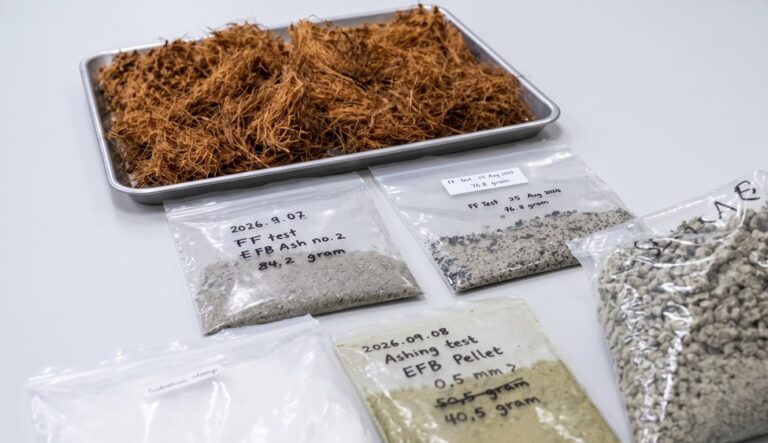
JAKARTA – Wastes have been always a problem in agricultural sector. The higher the agricultural production, the bigger the problem potentially caused by the wastes.
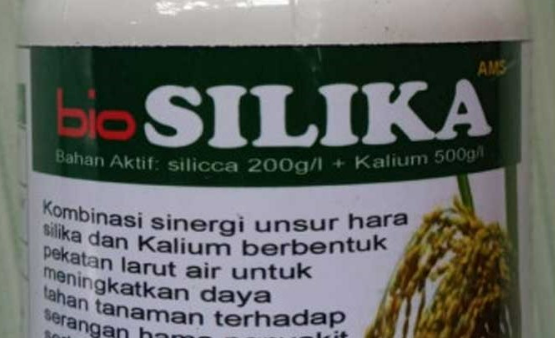
A number of researchers from the National Research and Innovation Board (BRIN) have managed to create an innovation by using the rice husks and palm boiler ash, the wastes from rice and palm oil production, to produce biosilica product with high economic value.
Hoerudin, a researcher of BRIN’s Agroindustry Research Center (PRA) said that rice husks and palm boiler ash have a high content of silica. “The rice husks have silica content of 15-20%, while palm boiler ash up to 50-60%. This silica from living organism we call biogenic silica or biosilica,” he said.
“From 5 tons of harvested rice per hectare and 20 tons of palm fresh fruit bunches per hectare, respectively have around 154 kg and 230 kg of silica,” Hoerudin said in a press release on Monday (22/7/2024).
According to him, out of their researches PRA BRIN has managed to produce a number of liquid and powdered silica products based on raw material of rice husks and palm boiler ash in the forms of nanoparticles.
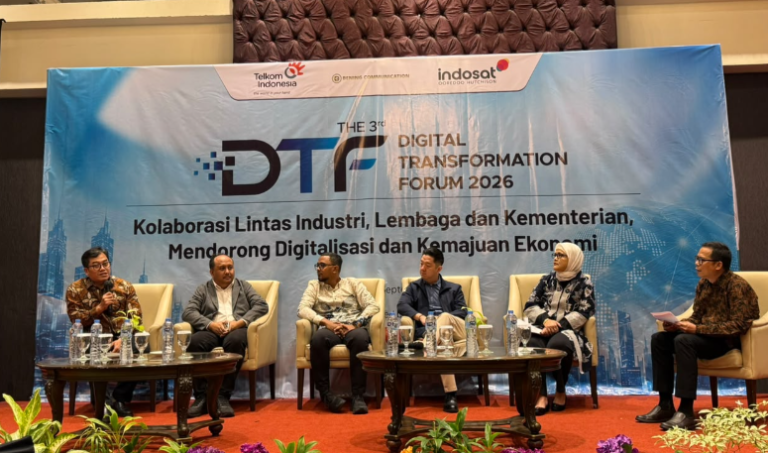
During a public discussion on “Biogenic Silica from Industrial Wastes: From Ash to Cash”, Hoerudin said that biosilica has potential for a variety of applications, such as for fertilizer, pesticide, functional textiles, reduction of chrome use in leather tanning process, and alternative of graft material to replace bone in dentistry.
He said that based on BRIN study the agriculture sector in Indonesia produces around 10 million tons of rice husks every year from rice mills, and around 2.0 million tons of palm boiler ash from palm oil mills. “If the wastes are not managed well, they are potential to cause new environmental and social problems,” he said.
He said the use of liquid biosilica for fertilizer had been tested for cultivation of rice, red onions and sugarcane in 22 provinces of Indonesia. “For fertilizer application, the liquid biosilica is more effective,” he said.
The use of biosilica from the rice and palm oil wastes can help Indonesia in reducing the import of commercial silica. The import of silica for industrial uses has increased from US$56.3 million in 2017 to US$81.99 million in 2021. (*)
Source: sawitkita.id