Brussels – European Commission President, Ursula von der Leyen, confirmed a one-year delay to the EUDR on Wednesday (2 October). It was originally due to start being enforced from 30 December 2024 for large businesses, and 30 December 2025 for micro and small businesses.
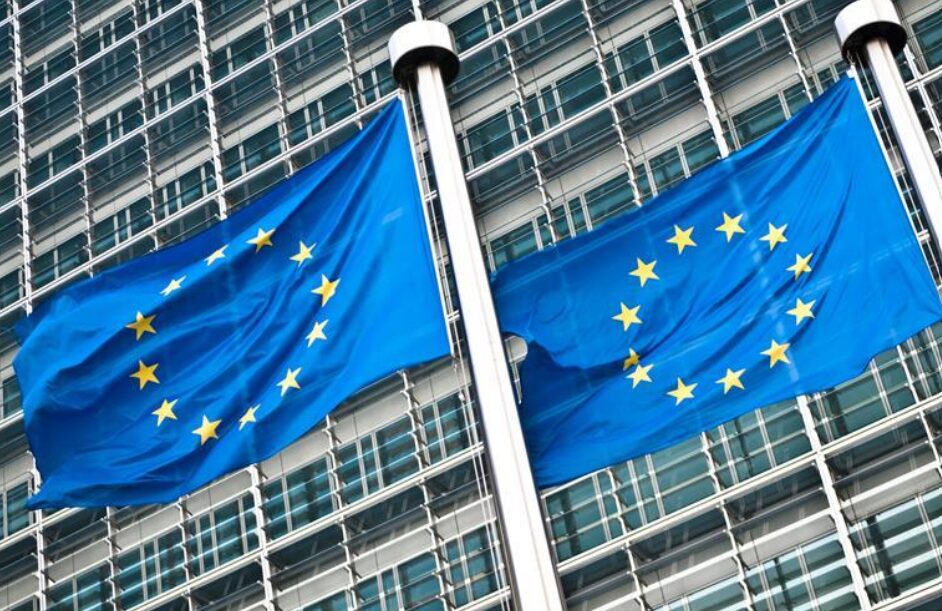
The Regulation, which passed into law in summer 2023, mandates that products derived from beef, cocoa, coffee, palm oil, natural rubber, soy or wood must be “deforestation-free” and legally produced to be placed on the EU market.
EUDR will replace the existing EU Timber Regulation. It defines “deforestation-free” products as those grown on land not deforested after 2020.
Compliance requirements would be placed on importing businesses plus those upstream, including manufacturers and retailers. Larger firms will need to evidence that their supply chains overseas are traceable and free from illegal deforestation. The mandate will expand over time to cover smaller firms.
The EU has faced mounting pressure to delay the implementation of EUDR.
Some national governments within the EU and some big businesses have argued that a delay is necessary to more clearly set out guidance for compliance.
Germany’s Chancellor Olaf Scholz, for example, made a formal call for a six-month delay in September.
Several producer nations of forest-risk commodities also dissented against the law. Indonesia, a major palm oil producer, continues to lobby the EU for measures which hold smallholder farmers to lower standards – at least initially.
One of the additions that will be developed during the year-long delay will be a single point of contact for IT support. It will help test the authenticity of geolocation files and provide multilingual instructions.
The move will come as a relief to many. The looming deadline had been facing strong backlash from MEPs within the union, foreign governments with big agricultural industries such as Brazil and Indonesia, and industry actors.
The Indonesian Palm Oil Association (GAPKI) Chairman Eddy Martono said: “The Indonesian palm oil community welcomes the Commission’s proposed delay. Indonesia has been underlining the problems with EUDR for more than a year, and our calls have been listened to.
“Despite the steps today, our three key concerns remain: the exclusion of smallholders, support for our national certification and compliance systems, and recognition of Indonesia’s anti-deforestation efforts. We look forward to working co-operatively with the EU on this and other issues going forward.”
Advocacy groups have criticized the slow pace of implementing environmentally urgent measures. Greenpeace EU forest policy director Sebastien Risso said “Ursula von der Leyen might as well have wielded the chainsaw herself […] The EUDR was agreed in December 2022, and it’s inexcusable that the Commission took so long to issue the supporting documents for the implementation of the law.”
If approved by the European Parliament and the Council, the EUDR will instead become applicable on 30 December 2025 for large companies and 30 June 2026 for small companies.
The extra 12 months “can serve as a phasing-in period to ensure proper and effective implementation”, the Commission said in its 2 October statement.
“Given the EUDR’s novel character, the swift calendar, and the variety of international stakeholders involved, the Commission considers that a 12-month additional time to phase in the system is a balanced solution to support operators around the world in securing a smooth implementation from the start.”
Rumours of a delay had been bubbling for some weeks. Still, the u-turn announcement came only days after the Commission reiterated intentions to go ahead with the implementation date.
Environmental groups have condemned the decision, claiming European Commission chief Ursula von der Leyen had bowed to the pressure of agribusiness lobbyists.
“Delaying the EUDR is like throwing a fire extinguisher out of the window of a burning building,” said Julian Oram, senior policy director at Mighty Earth. “It’s an act of nature vandalism that will serve only to drive more industrial destruction of tropical forests, threatening the people and wildlife who depend on them, while pushing climate and nature goals out of reach.” (*)