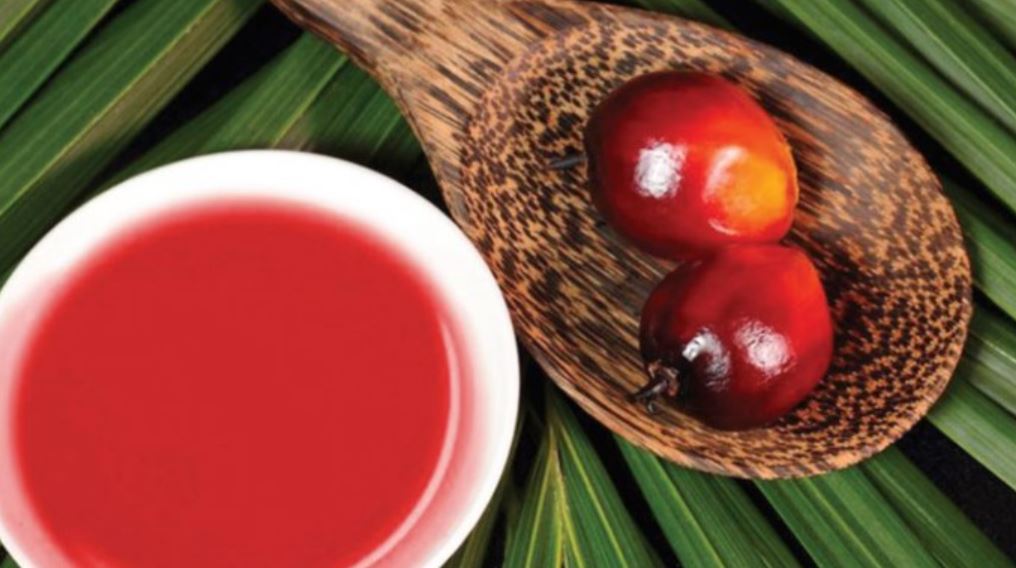
JAKARTA – Compared to the conventional palm oil, the red palm oil is a lesser-known vegetable oil derived from the same oil palm trees. Maybe because it is still unpopular, many people said that its nutritional content is lower than the conventional one and as a result considered not good for human health. Is it true?. Let’s find out through the following facts and description.
Global researchers of nutrition said the palm oil as “the world’s richest natural source of carotenoids”. The yellowish red in crude palm oil (CPO) reflects its high content of carotenoids as precursor of vitamin A. The palm oil is also rich in vitamin E and other bioactive compounds beneficial for human body. The use of palm oil for foods is dominated by cooking oil. The processing technology applied to process palm oil into cooking oil has intentionally reduced or even removed the carotene in order to produce golden-yellow oil (Yuliasari et al., 2014), in line with the public preference in Indonesia and acceptable in the market.
Besides accommodating the public preference to consume cooking oil in white colour (coconut oil, palm kernel oil) and in colour of yellow (palm oil), the trade standard of cooking oil known in the market is cooking oil in colours of white and yellow.
To maintain its natural bioactive contents, then the red palm oil and red palm olein was introduced. To produce the red palm oil, producers have to change their processing technology by excluding the process of bleaching and low temperature deodorization (Alyas et al., 2006; Ayustaningwarno, 2012; Hasibuan et al., 2021). With the modification of processing technology, the resulted red palm oil still contains much higher levels of bioactive compounds. (Table-6).

The level of bioactive compounds in red palm oil is relatively not much different from the unprocessed crude palm oil (CPO). A variety of studies (Nesaretnam et al., 2002; Kritchevsky et al., 2002; Cooper et al., 2002; Oguntibeju, 2009; Ayeleso et al., 2012; Katengua‐Thamahane et al., 2014; Loganathan et al., 2017; Sinaga, 2021; Olabiyi et al., 2021) show that the high content of antioxidant from carotene and vitamin E (tocopherols and tocotrienols), and other bioactive compounds in red palm oil are beneficial for human health, such as to prevent cancer, protect heart, prevent atherosclerosis, reduce cholesterol, reduce blood tension, make reproduction organ healthy, improve metabolism in relation to diabetes, protect body cells from damage and inflammation, increase brain health, and maintain body immunity.
The high content of carotene in red palm oil can be also made as the source of vitamin A to reduce and prevent shortage of vitamin A (Scrimshow, 2000; Longganathan et al., 2017), such as stunting. To prevent stunting, the red palm oil can be further processed into a fortification agent of food products, such as palm cooking oil, and health supplement (Hasibuan dan Siahaan, 2014; PASPI Monitor, 2021). (*)
Source: Mitos & Fakta Kelapa Sawit –4th Edition (Mitos 5-14)