JAKARTA – The Indonesian Palm Oil Association (GAPKI) expressed concern over challenges facing the palm oil industries in the implementation of biodiesel 50 percent (B50) program amid the continually stagnant production of palm oil in Indonesia.

GAPKI Chairman Eddy Martono said that the implementation of B50 mandatory policy is potential to reduce palm oil exports up to 6.0 million tons, which will in turn slow down the efforts to increase production. Exports are important for the palm oil industries to raise palm oil fund through export levies, which are collected by the oil palm plantation fund management board (BPDPKS) and are used as the main source of funding for important programs, including the replanting program of smallholders’ palm plantations.
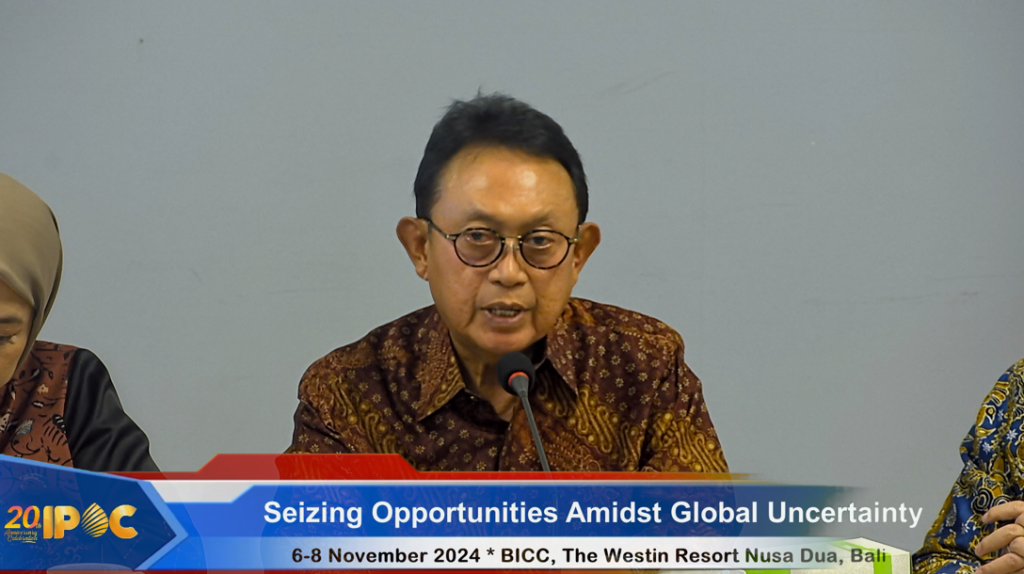
“The government can no longer delay the acceleration of replanting program because palm oil production has been continually declining. This year alone until August (2024), production of CPO dropped by 4.86% to 36.27 million tons as compared to that of last year. But in the meantime, domestic consumption has been continually rising, reaching 15.57 million tons until August 2024, or an increase of 1.94% from that of last year,” Eddy said during a press conference in Jakarta on Wednesday.
Considering the current condition of production, Eddy reminded the government that a decrease of palm oil exports will affect the implementation of the biodiesel program, which is very dependent on funding from the export levies.
Previously, Agriculture Minister Andi Amran Sulaiman said that he hopes the B50 program can be started in 2026. He is confident that domestic production of CPO, which now stands at 46 million tons, is enough to supply the feedstock at 5.3 million tons for the B50 production. The rest of palm oil output will be used to meet the domestic need and exports. (*)