JAKARTA – The palm oil has been accused of causing soil and water pollution greater than that of other vegetable oils. The following facts and description will show whether the accusation is true or just a myth fabricated by certain groups.
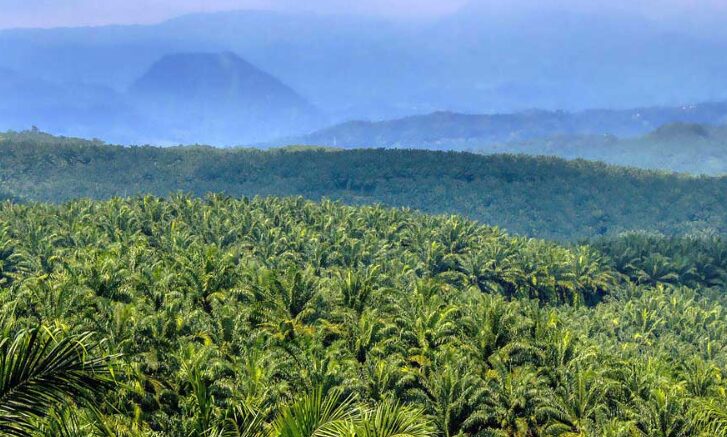
The three main vegetable oils in the world–palm oil, soybean oil and rapeseed oil, are different in terms of agronomic characteristics. Oil palm is a tropical oil crop, classified as a perennial plant with a production cycle of 25-30 years, is large in size, and has a high level of oil productivity. But soybeans and rapeseed are generally sub-tropical crops and seasonal crops with relatively low levels of oil productivity compared to oil palm crops.
In the process of producing vegetable oils, the oil crops uses production inputs, namely Nitrogen (N), Phosphate (P2O5) fertilizer and pesticides. Based on data from the Food and Agriculture Organization (FAO 2013), to produce each ton of vegetable oil, the three oil crops are different in the use of fertilizers and pesticides (Table 1).

Generally, in producing every ton of vegetable oil, the soybean plants use more fertilizer (Nitrogen and Phosphate) and pesticides than rapeseed and oil palm plants. The use of fertilizers and pesticides is also higher on rapeseed plants than on oil palm trees. Overall, it is the oil palm trees that use the least amount of fertilizer and pesticides for every ton of vegetable oil produced if compared to other vegetable oils.
The fertilizers and pesticides applied to oil plants are not fully absorbed by the plants. Some of it is wasted as emissions or pollutants that pollute the land and water, posing a risk of contaminating the soil biota and aquatic biota. The use of inorganic nitrogen fertilizer is a source of NO2 emissions in the agricultural sector (FAO, 2020; PASPI Monitor, 2020a; Olivier et al., 2022).
For every ton of vegetable oil produced (Table 1), pollutants from fertilizer and pesticide residues in soybean plants are higher than those in rapeseed and oil palm trees. Among the three oil plants, it is the oil palm trees which produces the lowest levels of pollutants due to the use of fertilizers and pesticides.
The above data shows that the source of vegetable oil that produces the lowest pollutants is palm oil. It is followed by rapeseed oil and soybean oil. Ideally, to provide the world with vegetable oil, it should be derived from oil plants with zero pollutants. Unfortunately, there is no oil plant in this planet earth that can be used to produce vegetable oil with zero pollutants from fertilizers and pesticides. So, the only option available with minimum pollutants is palm oil. (Mitos 6-23)
References :
- [FAO] Food Agricultural Organization. 2013. Biofuels and Sustainability Chalanges: A Global Assessment of Sustainability Issues, Trends and Policies for Biofuels and Related Feedstocks. Available at: https://agris.fao.org/agris-search/search.do?recordID=XF2015000712
- [FAO] Food Agricultural Organization. 2020. Agricultural Emission by Country [internet]. Available at: http://www.fao.org/faostat/en/#data/GT
- Olivier JGJ, Schure KM, Peters JAHW. 2022. Trends in Global CO2 and Total Greenhouse Gas Emissions: 2021 Summary Report. Available at: https://www.pbl.nl/sites/default/files/downloads/pbl-2022-trends-in- global-co2-and-total-greenhouse-gas-emissions-2021-summary-report_4758.pdf
- PASPI Monitor. 2020a. Contribution of Indonesian Agricultural Toward Global Agricultural GHG Emissions. Palm Oil Journal Analysis of Palm Oil Strategic Issues. 1(08): 43-48.