JAKARTA – It is true that Indonesia has converted certain parts of its peatlands to agricultural areas. But it is not true that it is the largest in the world in terms of converting peatlands to agriculture areas. Surely, it is a myth and not a factual reality.
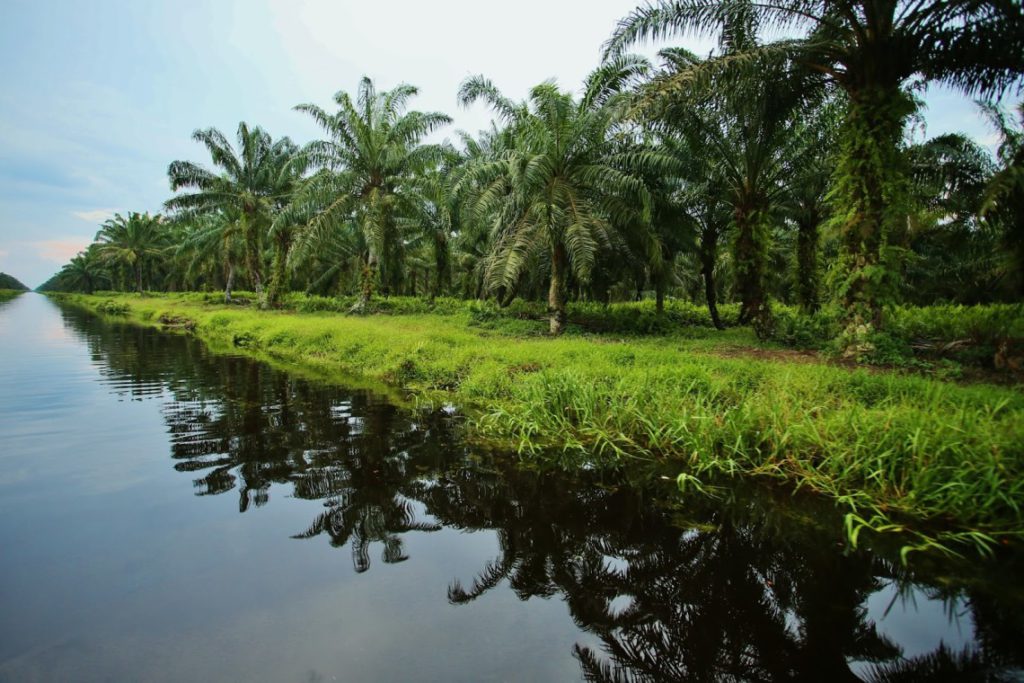
The global peatlands have long been used for a variety of economic activities, even perhaps since the early human civilization. A combination of population increase, economic and development growth , and the decline of mineral lands had driven people in many countries to use peatlands for agricultural sector and other sectors.
Based on data from Wetland International (2008), most of global peatlands (around 80 percent) are used for agriculture activities and only 20 percent maintained as preserved peat forests. Regions that use peatlands for agriculture are Africa (65 percent), America (75 percent), Europe (67 percent) and Asia (89 percent).
The global peatlands used for agriculture reached 296.3 million hectares (photo-21), which are mostly located in Asia (44 percent), followed by America (39 percent) and Europe (11 percent). The rest is located in Africa (3 percent), Australia and Pacific (2 percent), and Antarctica (1 percent).
Based on countries, Russia is the largest in the world in terms of using peatlands for agriculture sector. Russia has a total area of peatlands at 137 million hectares and around 94 percent (130 million hectares) of its peatlands are used for agriculture sector. The USA uses around 55 percent of its total 22 million hectares peatlands or around 12.4 million hectares for agriculture sector.
Data from Wetland International has also shown that around 12.5 million hectares of Indonesia’s peatlands are secondary peatlands or degraded peatlands, which had been damaged due to conversion to agriculture sector or fires (Joosten, 2009).
The Agriculture Research and Development Board (Litbang Pertanian) in 2008 (Agus and Subiksa, 2008) reported that Indonesia’s peatlands used for agricultural sector reached 6.05 million hectares. In line with the data, Ritung and Sukarman (2016) said that potential areas in peatlands for agricultural development reached around 5.58 million hectares. Then Ritung et al., (2019) said that around 5.59 million hectares of Indonesia’s peatlands are used for agriculture and plantations.
The above data shows that the use of peatlands for agriculture is found in almost all countries and regions, which have peatlands, including in Indonesia. Apparently, it is not Indonesia, but Russia and the USA that are listed as countries with the world’s highest level of peatland conversion to agriculture. (Mitos 6-18)
References :
- Agus F, Subiksa IGM. 2008. Peatlands: Potential for agriculture and environmental aspect. Bogor (ID): Land Research Agency (Balai Penelitian Tanah). The Agriculture Research and Development Board.
- Joosten H. 2009. The Global Peat Land CO2 Picture: Peat Land Status and Emission in all Countries of The World. Tersedia pada: https://unfccc.int/sites/default/files/draftpeatlandco2report.pdf
- Ritung S, Sukarman. 2016. Suitability of Peatlands for Agriculture. Bogor (ID): The Land Research Agency (Balai Penelitian Tanah), The Agriculture Research and Development Board. Bogor.
- Ritung S, E Suryani, E Yatno, Hikmatullah, K Nugroho, Sukarman, RE Subandiono, C. Tafakresnanto, Suratman, H Hidayat, D Sudradjad, U Suryana, W Supriyatna, A Hartadi. 2019. Indonesian Peatland Map with scale of 1:50.000. Edition of December 2019. Jakarta (ID): The Agriculture Research and Development Board at the Agriculture Ministry. (*)