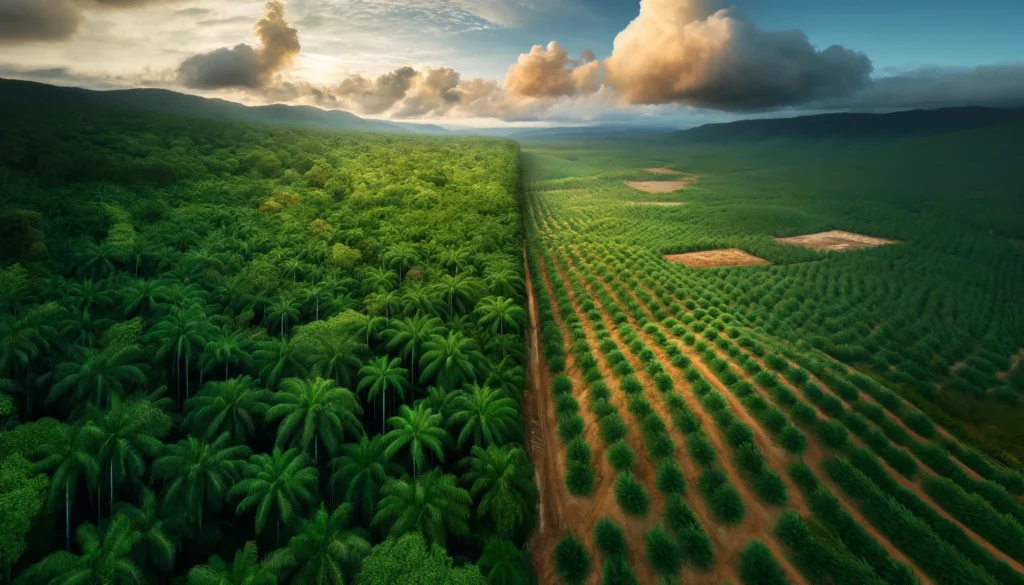
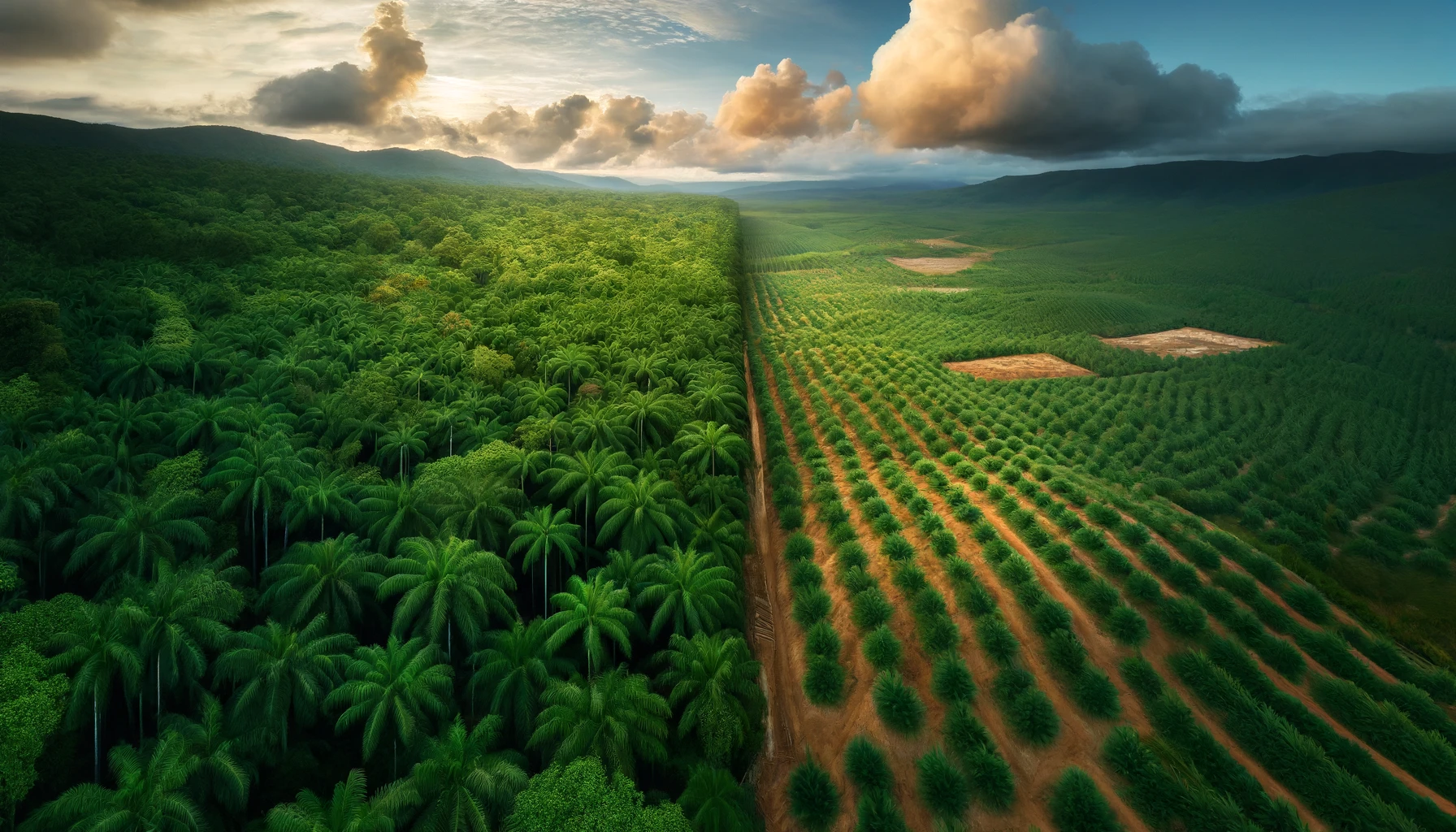
JAKARTA – There have been many people trying to deny the existence of virgin forests in Indonesia, or saying their condition is much worse if compared to those in other countries. But in reality the virgin forests in Indonesia still function very well as home of its rich biodiversity.
Indonesia is not like Europe and North America. The two regions have converted their virgin forests to other non-forest functions since the beginning of their economic development implementation, greatly degrading their functions as home for biodiversity. The LCAworks study (2018) clearly shows the current condition of forests in the two regions as compared to those of Indonesia (Figure 2). The proportion of virgin forests or primary forests in the European Union and the United States is much lower than the proportion of virgin forests in Indonesia.
The total deforestation in Europe and North America has severely eroded their virgin forests, leaving only a fraction remaining. The studies of Sabatini et al. (2018) and Barredo et al. (2021) also revealed that the area of primary forests in Europe is currently only 1.4 million hectares spread across Finland, Ukraine, Bulgaria, and Romania. Likewise, in the United States, the only remaining virgin forest is only found in Alaska (Sumarwoto, 1992).
The loss of virgin forests in Europe and North America not only causes loss of forest cover, but also eliminates native biodiversity, both flora and fauna. Where is the typical biodiversity of mainland Europe and America today?

Unlike those in Europe and North America, the virgin forests in Indonesia are still quite extensive, relatively well preserved, and can still function as home of tropical biodiversity. It is also confirmed by the fact that native tropical vegetation and tropical animals such as Sumatran Tigers, Sumatran Elephants, rhinoceroses, orangutans, monkeys, macaques, birds, butterflies, and others still survive and thrive in their respective habitats across the archipelagic country. (*) (Mitos 7-04)
Mitos & Fakta Kelapa Sawit – 4th Edition