JAKARTA – The Oil palm plants are often put on the spotlight due to an accusation that it “damages the environment.” Is it in line with the facts?
Actually, if we look at the data, oil palm has advantages that are difficult to be matched by other oil-producing plants. Let’s dig it deeper.
Fantastic Efficiency: Less Land, More Results
Do you know that oil palm can produce around 4 tons of vegetable oil per hectare?. Compare this with other oil crops such as soybeans, rapeseed, or sunflowers which averagely produce only 0.7 tons per hectare. If the world only relies on other oil crops to meet its vegetable oil needs of hundreds of millions tons per year, how much additional land is needed? The answer can be very worrying.
With oil palm, we can meet global needs without having to sacrifice millions of hectares of additional land. This is the main reason why oil palm is a much more ecofriendly solution.
Why Palm Oil?
- Save Land
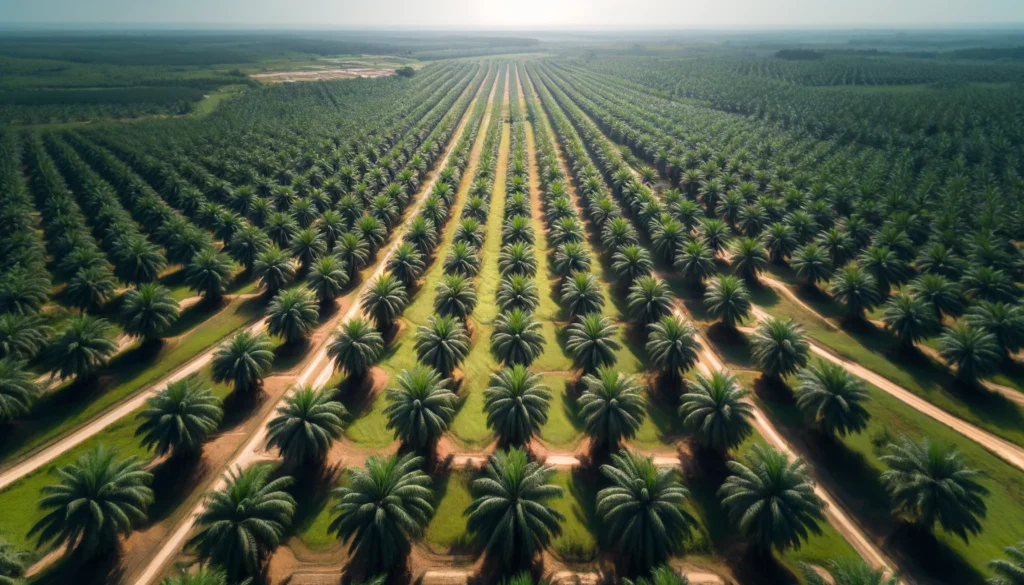
The oil palm plantations in the world only account for 11% of the total plantation areas of other four major vegetable oils. However, its contribution to global vegetable oil production is very significant. With a much smaller land expansion, oil palm has proven itself to be the most land-efficient crop.
- High Productivity
Oil palm excels in productivity. With an average of 3.91 tons per hectare, this plant far exceeds soybeans, rapeseed, and sunflowers which only produce 0.7 tons per hectare. Imagine, less land is used, but the results are doubled. Isn’t this a smarter and more sustainable step to meet global needs?
- Environmentally Friendly Solution
Oil palm’s efficiency in land use not only reduces pressure on the forests, but also helps maintain the sustainability of the global ecosystem. Compared to other crops that require much larger areas, oil palm is a wiser choice for the future.

Palm oil is the answer to the global challenge of providing sustainable vegetable oil. With its high productivity and minimal land requirements, it offers a real solution without sacrificing more forests and biodiversity. Let’s clear the stigma and see palm oil from a correct and clear perspective: as a smart choice to meet the world’s needs while preserving the natural balance. (*)