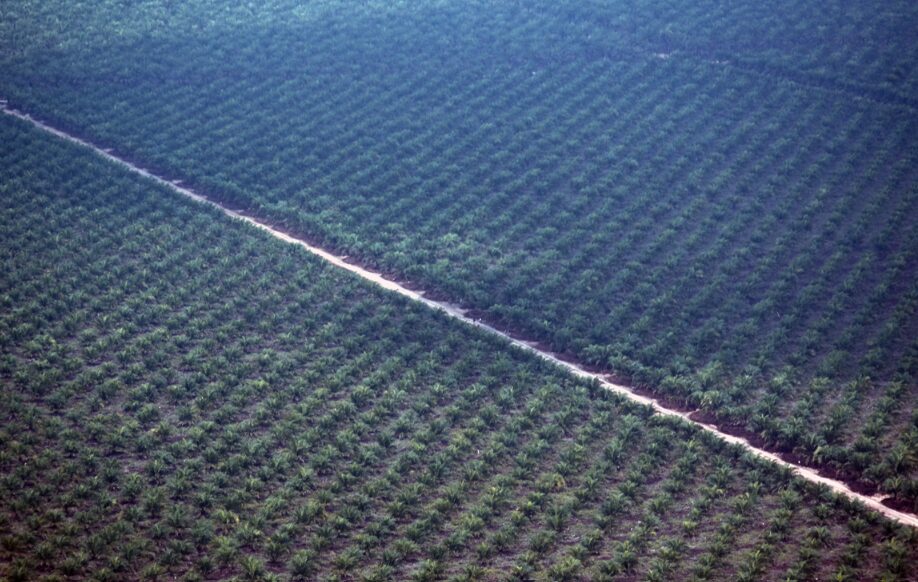
JAKARTA – To ensure the fulfillment of global consumers’ demand for sustainable palm oil production, a standard of sustainable palm oil production was introduced globally under the system of so-called the Roundtable on Sustainable Palm Oil (RSPO).
The area and production of RSPO-certified palm oil in the world show positive growth (Figure 9).

The area of certified sustainable oil palm plantations in the world has increased from 0.1 million hectares in 2008 to around 3.35 million hectares in 2021. Likewise, the volume of certified sustainable palm oil in the world has also increased relatively rapidly, from 0.8 million tons to around 23.1 million tons during the same period.
The sustainability certification is not only implemented on oil palm plantations in Indonesia, but also on other palm oil producing countries, such as Malaysia, Papua New Guinea, and countries in Africa and South America (Figure 10). Data on the amount of certified sustainable palm oil in the world shows that Indonesia is the largest producer of sustainable palm oil in the world with a share of around 61 percent.
Other producing countries of certified sustainable palm oil are Malaysia (26.7 percent), followed by Papua New Guinea (3.9 percent).

The description above shows that Indonesia is the world’s largest producer of palm oil and also the world’s largest producer of certified sustainable palm oil. The data does not include the area and volume of palm oil production that is undergoing the process of sustainable certification assessment.
________________________________________
Myth 7-13: The above data refutes the myth that says Indonesia is the world’s largest producer of palm oil, but its production of certified sustainable palm oil is inferior to other palm oil producing countries. (*)
Source: gapki.id