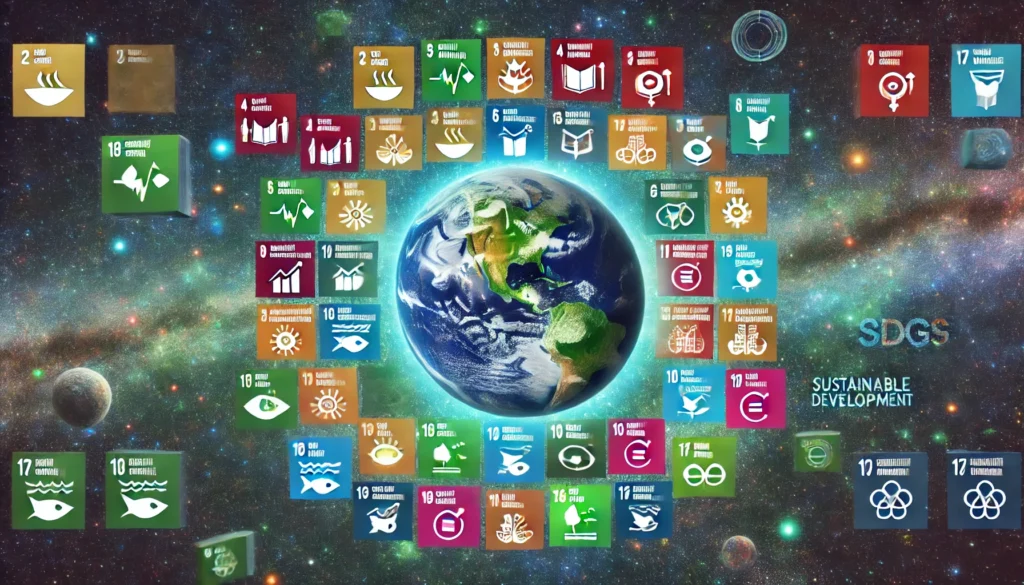
JAKARTA – Many people reduce palm oil to just an economic commodity to only make big profits. But in reality, the palm oil industries have also played a significant role in realizing social and environmental benefits as envisioned by the United Nations (UN) through its Sustainable Development Goals (SDGs).
Regarding the environment, the palm oil industries have played a big role in achieving the UN’s SDG-14 (Life Below Water), especially in conserving soil and water through the natural biopore system. The role of oil palm in conserving aquatic resources (including aquatic biota) is proven by its relatively lower production of water pollutants from fertilizer and pesticide residues compared to other vegetable oils.
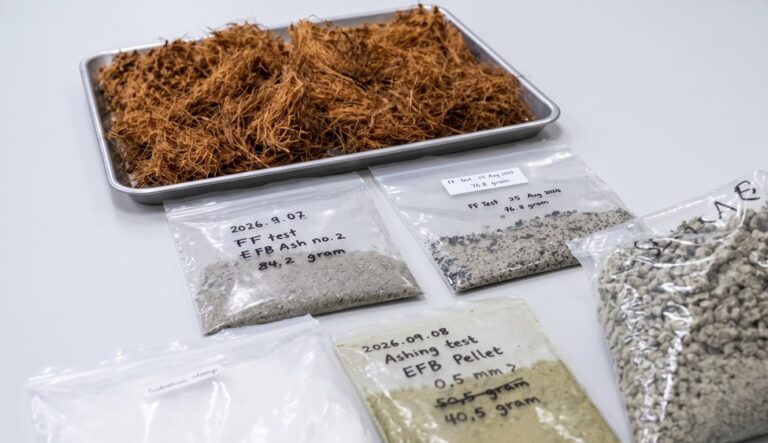
The palm oil industries also produce biodegradable biosurfactant as a replacement to the non-degradable surfactants (fossil oil derivatives). In addition, palm oil wastes, especially empty bunches, are being developed into bioplastic granules to replace non-degradable petro-plastics.
The palm oil industries also contribute to achieving the SDG-15 (Life on Land) through its contribution to:
- Utilization of palm oil biomass (empty fruit bunches, fiber, liquid palm oil waste, fronds, etc.) as fertilizer to improve soil biology thereby preserving the life of soil microorganisms; and
- Increasing biodiversity sustainability through HCV/HCS, increasing natural biodiversity in oil palm plantations, as well as through integrating oil palm with livestock/agriculture/forestry. Relatively speaking, Species Richness Loss from palm oil production is also lower compared to other vegetable oils.
In connection with the achievement of SDG-17 (Partnership for The Goals), the palm oil industries helped realize it at both local and global levels. Oil palm plantation partnerships between corporations (state and private) and the local communities as well as partnerships between palm smallholders demonstrate the achievement of SDG-17 at the local level. At the corporate level, this is also demonstrated by partnerships between fellow workers through labor unions or worker associations as well as partnerships between corporations and labor unions.
Meanwhile, at the global level, it has been shown through the cooperation between Indonesia, Malaysia and other palm oil producing countries in the Council of the Palm Oil Producing Countries (CPOPC).
The Indonesian government has also initiated various international forums related to discussing the contribution of palm oil in achieving the SDGs. At the regional level, the Indonesian government actively participates in Joint Working Group Meetings with ASEAN and European Union countries. Likewise, at the multilateral level, Indonesia also took advantage of the international forum FAO-Intergovernmental Group Meeting on Oilseeds, Oils, and Fats (IGG-OOF) and initiated the preparation of Voluntary Guidelines for Sustainable Vegetable Oil (VG-SVO). (*)
Myth 7-17: The palm oil industries do not contribute to achieving the SDGs on environment