JAKARTA – President Prabowo Subianto’s Special Envoy on Energy and Climate Change, Hashim Djojohadikusumo highlighted the dependence of Western European countries on palm oil from Indonesia.
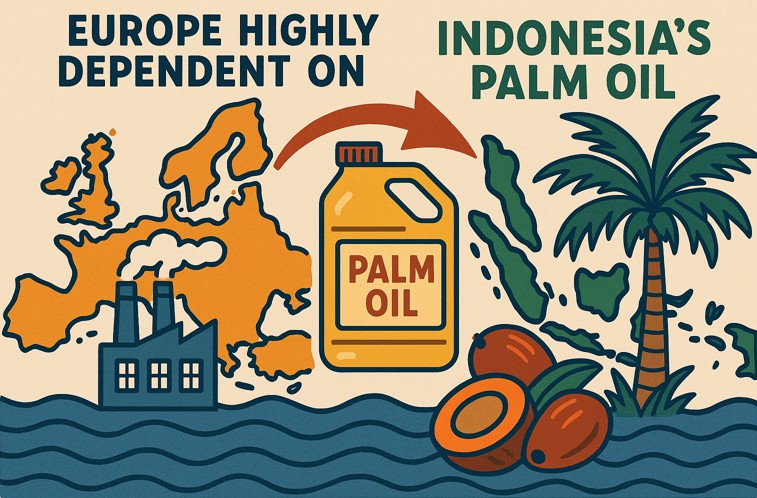
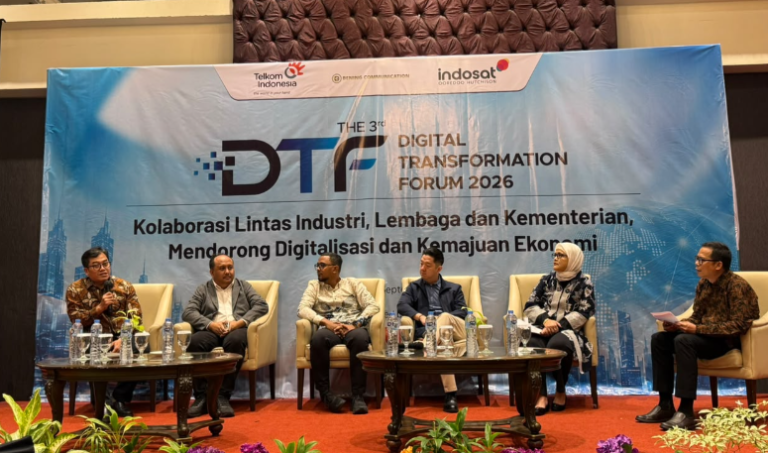
“European countries are highly dependent on palm oil. They use it as the main raw material to produce a variety of consumer goods they need on a daily basis,” Hashim, who is brother of President Prabowo, said when addressing a business forum held in Paris on Monday (15/07/2025).
“We can see that their industries badly need our palm oil. They don’t want to see it being sanctioned, as they are dependent on it as main raw materials to meet their daily needs,” Hashim said during the Breakfast Forum of Kadin and Madef.
He said that many household and consumer products in Europe such as shampoo, soap, packaged foods and other products—contain palm oil or derivative products.
“If we see their compositions, many of the products contain palm elements,” he said.
Hashim also stated that the government of Indonesia has received a number of requests filed by European companies to get palm oil supply from Indonesia.
He said President Prabowo Subianto has expressed his willingness to cooperate with Europe. “Some of them had been approved by President Prabowo. Later Minister Airlangga and Trade Minister will give details on the deals,” he said.
Economic backbone
Despite being often criticized, the export of crude palm oil (CPO) is still the main backbone for Indonesia’s national economy.
Based on data from Statistics Indonesia (BPS), the export of CPO during January – May 2025 reached US$8.90 billion with a total volume of 8.30 million tons. The main destination countries include Pakistan, India, and China.
In May 2025 alone, the export value of CPO surged by 61.5 percent, if compared to that of the previous month, to US$1.85 billion.
But yearly, export trend saw fluctuations. After reaching the peak in 2022 at total value of US$27.74 billion, palm oil exports decreased during the last two years to US$22.69 billion in 2023 and then to US$20.05 billion in 2024. (*)