The Indonesian Palm Oil Association (GAPKI) has stated that Indonesia’s palm oil industries are currently facing two main problems stagnant growth of production and legal uncertainty, which have caused the stunted growth of the country’s top commodity.

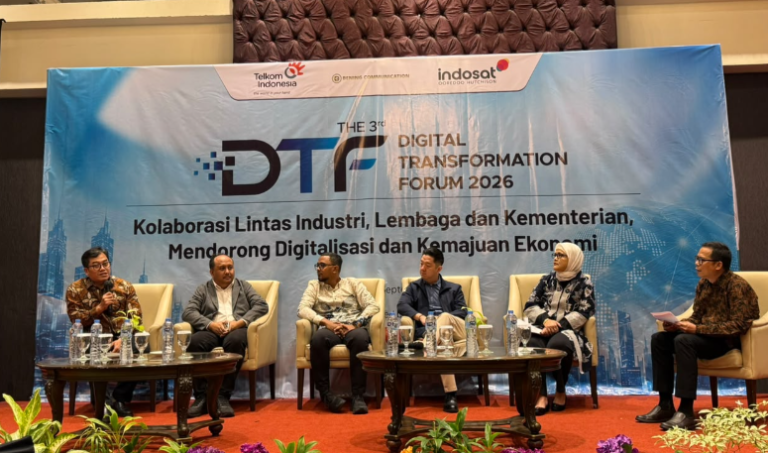
Speaking during the 3rd Technology and Talent Palm Oil Mill Indonesia (TPOMI) 2025 at Holiday Inn Bandung Pasteur, GAPKI Executive Director Mukti Sardjono said that the two main problems should be quickly resolved to avoid losing market competitiveness in the future.
“Nationally, our palm oil production is not only stagnant, but it tends to decrease. One of its causes is the slow implementation of replanting program for smallholders’ palm plantations and the legal problems of plantation areas due to their suspected encroachment of forest areas,” said Mukti.
In his presentation during the TPOMI 2025, Mukti said domestic consumption has been continually rising, especially for the production of biodiesel.
In 2024, the domestic consumption of palm oil reached 23.8 million tons, which significantly increased compared to that of the previous year. The consumption for biodiesel production had even surpassed the consumption for foods, especially after the implementation of mandatory B40 policy.
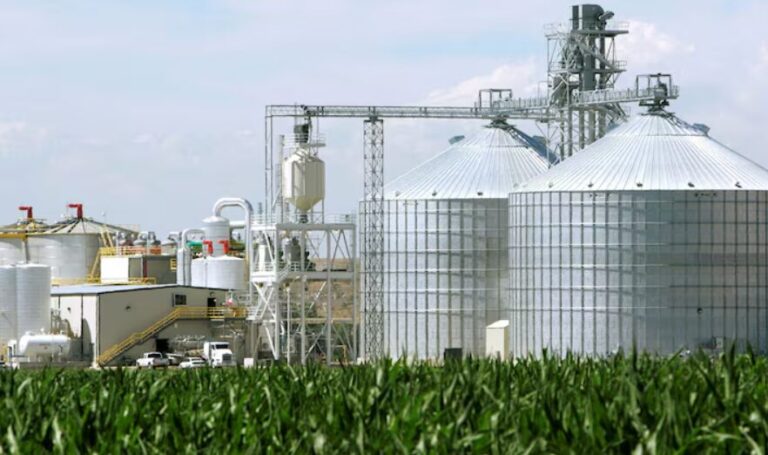
“With the implementation of B40 mandatory program, the need of CPO for biodiesel production is estimated at 13 million tons,” said Mukti.
But the increase of consumption was not accompanied by the increase of production. As of April 2025, production of crude palm oil (CPO) only reached 16.49 million tons, which was stagnant compared to that of the same period last year. As a result, exports of CPO saw a decrease, affecting the state income from palm export levy (PE) and subsidy fund of biodiesel.
GAPKI also highlighted various problems facing the palm oil mills (PKS), which had worsened the industrial condition. One of the problems facing the PKS is the inconsistency of quality of fresh fruit bunches (FFB) they received for processing.
Mukti said that many palm mills received FFB with low quality—either being not quite ripe yet or already rotten, causing lower extraction and low quality of CPO.
“If we want to raise our competitiveness, the industrial burdens should be reduced, while pursuing efforts to increase productivity and volume of production,” he said.
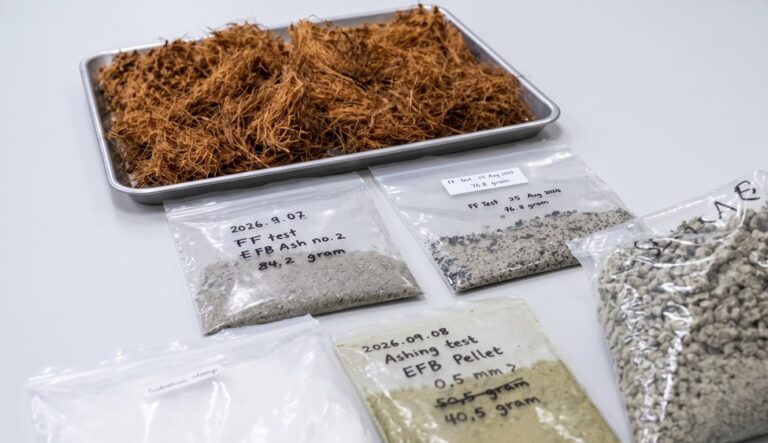
In addition to that, the palm mills still use their old production equipment and facilities, especially boiler and turbine. GAPKI also sees that the use of energy from liquid waste of palm oil (POME) and their solid wastes are still minimum.
In dealing with the variety of challenges, GAPKI proposed a number of strategic steps to strengthen the national palm oil industries:
- Accelerate the implementation of replanting program for smallholders’ plantations and companies’ plantations by using superior clones with high productivity.
- Resolving the conflicts resulted from legal problems of plantation areas suspected to encroach forest areas to allow their cultivation based on technical standards and prevailing laws.
- Increasing legal certainty and reducing export burdens, including evaluation of export levy (PE), export tax, and the domestic market obligation (DMO) policy.
- Developing special plantation areas for energy to ensure the implementation biodiesel mandatory program will not disturb food stock and exports.
- Establishing a palm oil board as a special institution assigned to manage the Indonesian palm oil industries from upstream to downstream.
“We need a strong institution to allow our palm oil industries to play their important role effectively and efficiently in providing foods, energy, developing downstream industries, and contributing foreign exchange to the state. That’s why the special national board of palm oil should be established soon,” said Mukti.
With strategic steps and the support of strong institution, Indonesia’s palm oil industries can survive the global pressures and become a stronger pillar in supporting the national energy resilience, foods and the national economy. (*)