JAKARTA – Indonesia is facing a big challenge to prove that palm oil-based biodiesel is not just a slogan of reducing carbon emissions, but it is truly a sustainable energy solution that can be objectively and scientifically measured.
Edi Wibowo, Director of Bioenergy at the ministry of energy and mineral resources (KESDM) said the credibility of Indonesian biodiesel depends on the capacity to show real and measurable impacts to the reduction of carbon emissions.
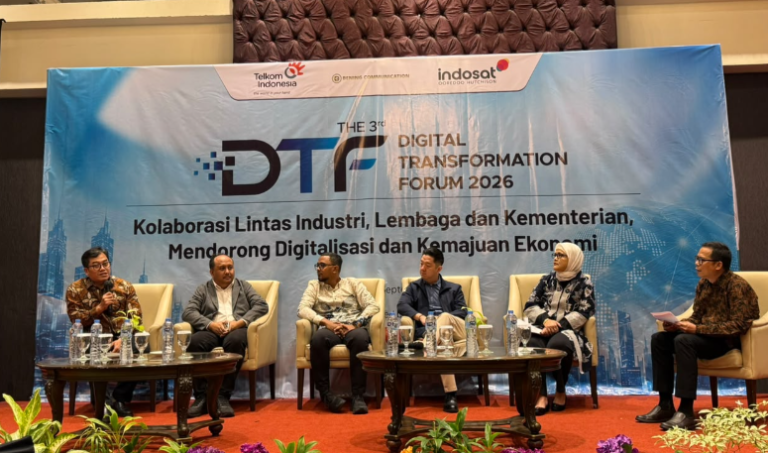
“Now, it’s not the time to talk about claims that biodiesel is ecofriendly. We have to prove it scientifically that our palm-based biodiesel is truly sustainable and can compete globally,” Edi told participants of the 10th international conference of Biomass and Bioenergy (ICBB) in Bogor, West Java, on Monday (04/08/2025).
Indonesia’s mandatory program of biodiesel has been claimed to have reduced carbon emissions. The biodiesel 35 percent (B35) program alone is claimed to have reduced emissions up to 34 million tons of CO₂ equivalent per year. “But amid the global pressures on environment and deforestation, such claim needs to be supported by field data, transparancy of supply chain, and recognition from international institutions,” he said.
The Head of Surfactant and Bioenergy Research Center (SBRC), Meika Syahbana RuslI emphasized the importance of synergy between scientists, industrial players, and regulators. “Without collaborations, the green energy transition cannot be achieved and it will be just rethoric,” said Meika.
During the conference, the issue of Sustainable Aviation Fuel (SAF) or bioavtur for airplanes was also discussed by speakers and participants.
Although the International Civil Aviation Organization (ICAO) has given a positive sign of support for the production of SAF based on palm oil and the used cooking oil (UCO), the production of SAF is still facing big challenges in terms of technical aspects, investments, and market acceptability.
Indonesia has abundant source of wastes and palm oil derivative products that can be used as raw material for production of SAF. But such big potential can be just dormant without the support of research activities, funding and adaptive policies from the government.
The Head of Services Division at the Oil Palm Plantation Fund Management Board (BPDPKS), Arfie Thahar, said that his institution is now accelerating the integration of technological research, public policies, and global access.
“If we want our biodiesel and bio-avtur products accepted at the global market, we have to implement a thorough improvement from the level of farmers to the tanks of vehicles. We cannot just rely on the green narrative alone,” said Arfie.
Amid the global pressures on environment and domestic need for clean energy, Indonesia is now entering a crucial point to prove that palm oil-based biodiesel can really become a clean energy product of the future, and not just a biofuel with full of controversy. (*)
Sawitku.id. sawitku.id/ekbis/81415671421/narasi-hijau-saja-tak-cukup-biodiesel-sawit-harus-bicara-data. RI Challenged To Scientifically Prove Biodiesel As Clean Energy. 5 Agustus 2025