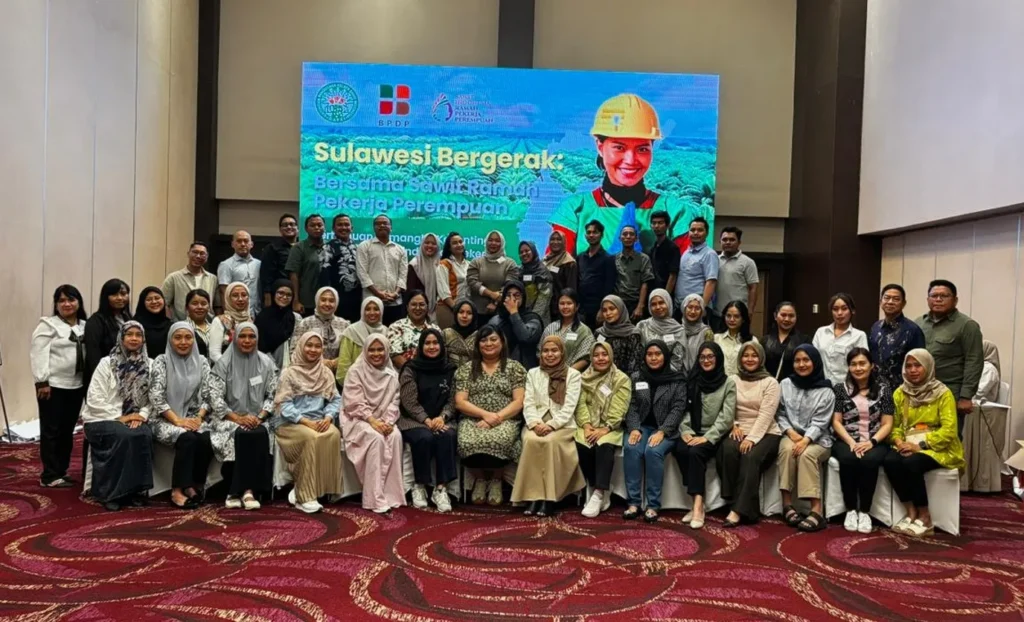
The Indonesian Palm Oil Association (GAPKI) launched a forum with the theme of “Indonesian Palm Oil Friendly To Female Workers” on 11–12 February 2026 in Palu, Central Sulawesi. The activity becomes a strategic dialog forum to strengthen protection for female workers in the sector of oil palm plantations, especially in Sulawesi.
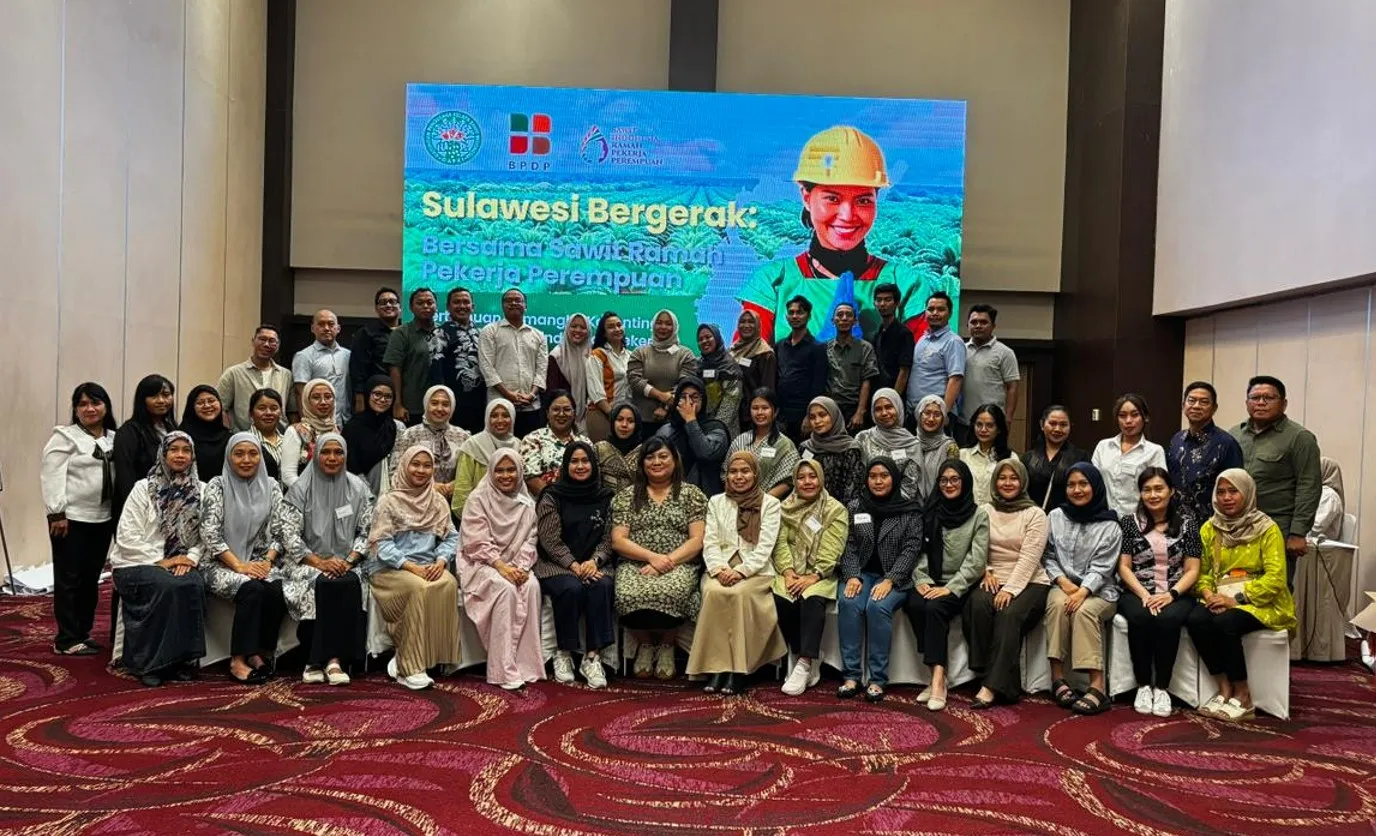
A total of 140 participants attended the forum. They came from various backgrounds, including representatives from the central government and regional governments, plantation companies, labor unions, civil society organizations, academics, smallholders, and the media.
The meeting was aimed to establish a common understanding and formulate concrete steps that could be implemented at both the company and regional government levels.
Gender Equality Integration in Sustainable Palm Oil
The activity was supported by the Plantation Fund Management Board (BPDP) as part of its efforts to strengthen the program of sustainable palm oil. Its goal is mainly focused on encouraging the integration of gender equality principles into the palm oil industry’s funding and governance schemes.
Central Sulawesi Governor said in his remarks, which was read by the Acting Head of the Manpower and Transmigration Office, Firdaus Abdul Karim, that protecting female workers should be a shared commitment between the government, business players and all of other stakeholders.
He emphasized the importance of fulfilling women workers’ rights and of creating a safe, healthy, and dignified work environment. He expressed the hope that the forum would not stop at only discussions, but would also produce concrete policies and practices that would have a direct impact on the ground.
Female workers’ contribution in Sulawesi’s palm industry
GAPKI Sulawesi Branch Office Head Dony Yoga Perdana stated that female workers play a significant role in the palm oil production chain. In Sulawesi region, women account for approximately 10.68% of the total permanent workforce in the region’s plantation industry.
He said that capacity building is the key. GAPKI encourages the improvement of women workers’ competencies, while strengthening the roles of companies, local governments, and civil society organizations in creating a fair, humane, and sustainable work environment.
Practical guidelines and Strategic Issues
Also introduced during the strategic forum are the practical guidelines for the protection of women workers in oil palm plantations. The guidelines are designed as a reference for implementing the protection of women workers’ rights in line with the prevailing national regulations and international standards.
Several strategic issues that were highlighted during the forum of discussions include:
- Maternity protection and reproductive rights
- Occupational health and safety (K3)
- Employment status and wage systems
- Social security for workers
- Prevention of gender-based discrimination and violence
- Increasing women’s participation in governance and audit processes
Through this forum, GAPKI hopes that strengthening the protection of women workers will not only be discussed but will be integrated into the operational practices of palm oil companies. It is considered crucial to ensure that the Indonesian palm oil industry becomes more sustainable, inclusive, and globally competitive. (*)