The Indonesian palm oil industry has again taken a strategic and science-based step by releasing new pollinator insects to the oil palm plantations. More than 40 years after the first successful introduction in 1982, similar innovations are being implemented to improve plantation efficiency and productivity.
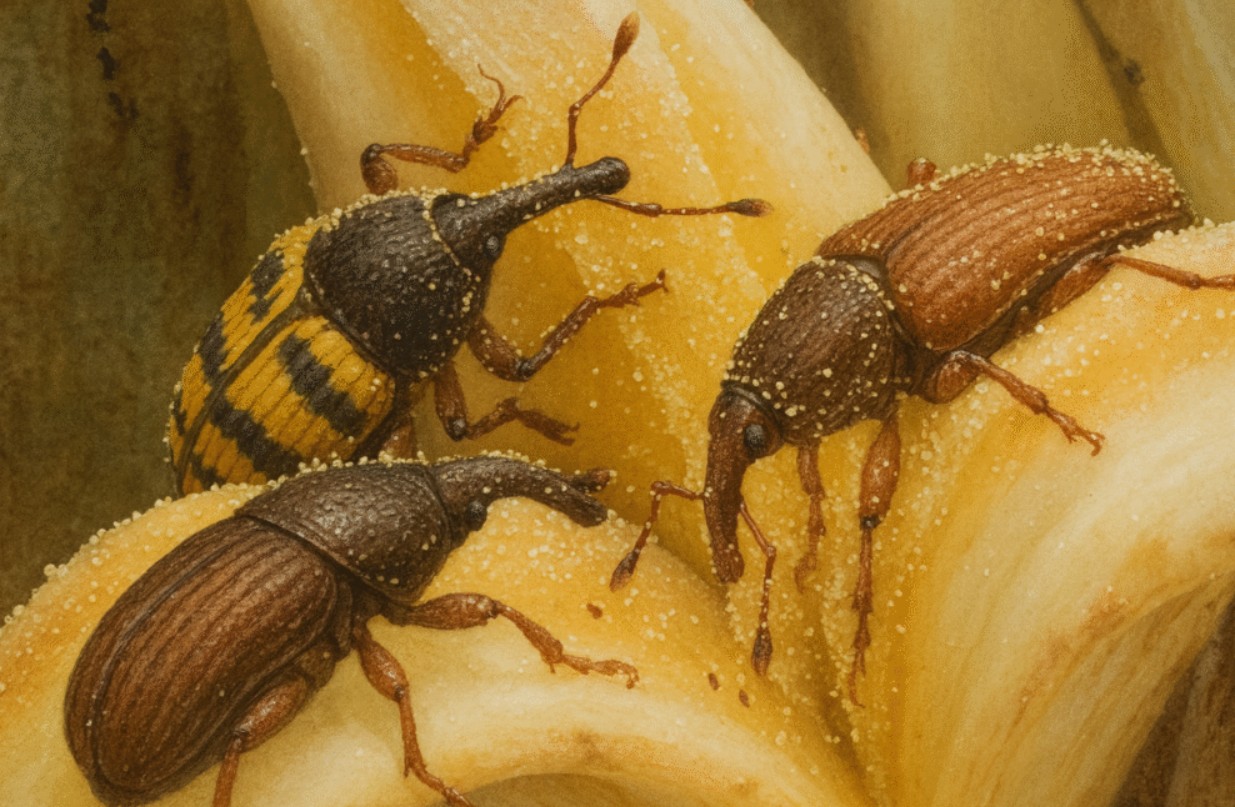
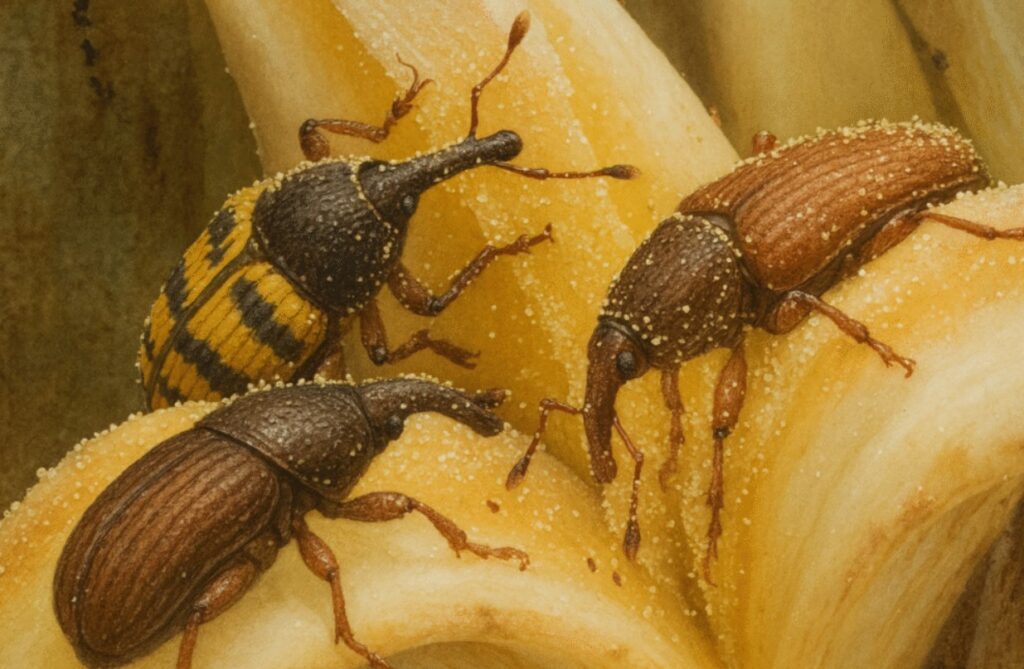
Three species of pollinator insects–Elaeidobius subvittatus, Elaeidobius kamerunicus, and Elaeidobius plagiatus from Tanzania, East Africa, were officially introduced in the project location of the Marihat Unit of the Palm Oil Research Center (PPKS) in Simalungun regency of North Sumatra province.
Small insects with big impacts to palm productivity
Despite their small size, the insect pollinators play a vital role in the formation of oil palm fruit—the primary source of palm oil production. Without optimal pollination, palm productivity can decline significantly.
The Director of Plantation Seeds at the Ministry of Agriculture, Ebi Rulianti, emphasized that this innovation is not merely an experiment, but a strategic step with proven history.
“We learn from history that small innovations can have a big impact,” she said.
She referred to the successful introduction of pollinator insects in 1982, which marked a turning point in increasing national oil palm productivity significantly.
Production cost cut, efficiency up
The introduction of these three new species is expected to strengthen the natural pollination system in Indonesian oil palm plantations while reducing production costs, particularly in the pollination process, which has long been a crucial factor in oil palm cultivation.
It is expected that by increasing biological efficiency at the plantation level, the palm plantations will have bigger potential to increase their fresh fruit bunch (FFB) productivity without requiring additional land areas.
The step is also part of efforts to maintain the sustainability of the Indonesian palm oil industry amidst mounting global challenges.
Inter-institutional collaborations and science-based
The introduction program involves various stakeholders, including:
- Ministry of Agriculture
- The Indonesian Palm Oil Association (GAPKI)
- Plantation Fund Management Board (BPDP)
- Indonesian Quarantine Agency
- PT Riset Perkebunan Nusantara
- The Association of Indonesian Oil Palm Smallholders (Apkasindo)
The entire process is carried out through rigorous scientific stages, from exploration in the country of origin to comprehensive testing to ensure biosafety in Indonesia.
Ebi emphasized that this policy is science-based, measurable, and upholds the precautionary principle.
Safeguarding RI’s palm industry future
GAPKI Chairman Eddy Martono called the introduction of these pollinator insects as a symbol of continued innovation in the Indonesian palm oil industry.
He believes the future of the palm oil sector depends heavily on the ability to integrate science, experience, and cross-sector collaborations.
The three pollinating species have undergone a series of scientific tests and have been declared safe for introduction in Indonesian oil palm plantations. Their presence is expected to:
- Increase oil palm plantation productivity
- Strengthen the natural pollination system
- Maintain the balance of the plantation ecosystem
“This small step brings great hope for the birth of a new generation of Indonesian palm oil industry that is more productive, adaptive, and sustainable,” said Eddy.
The introduction of three pollinating insects from Tanzania has proven that science-based innovation remains key factor to increasing the competitiveness of the Indonesian palm oil industry.
It is from the often overlooked biological processes, the efficiency solutions have emerged to create a significant impact on national productivity. (*)