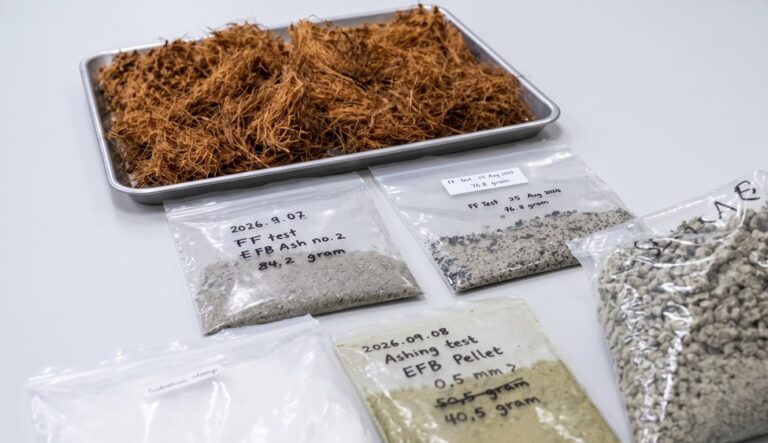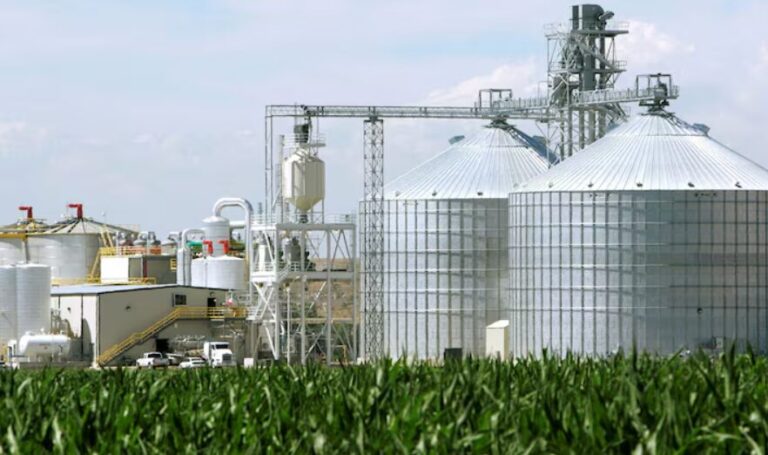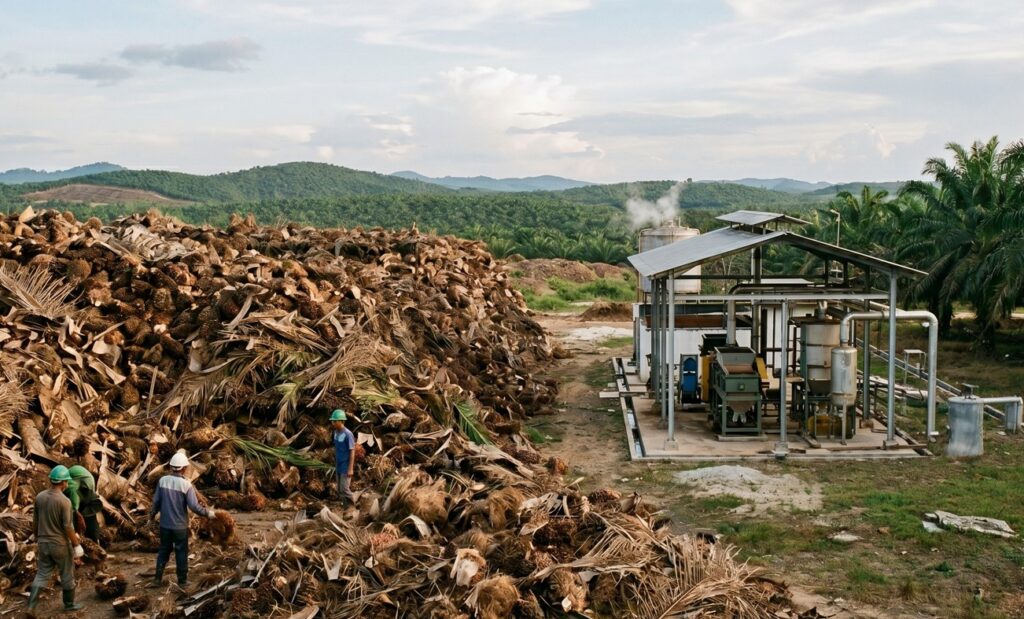
JAKARTA – The utilization of palm oil wastes holds a huge potential to support Indonesian economy and its industrial sustainability. Bogor University of Agriculture (IPB University) estimates that downstream palm oil waste processing could create added value of up to tens of trillions of rupiah per year.
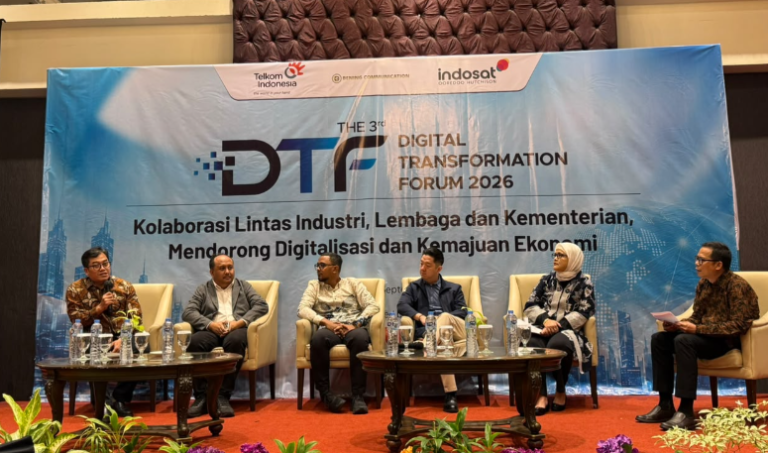
Professor Yanto Santosa, an expert on ecology and conservation from IPB’s Faculty of Forestry stated that palm oil wastes can be processed into various high-value products if supported by the right technology and policy.
“Palm oil wastes have great potential to be processed into various products with added economic value,” he said on Friday (27/03/2026).
According to him, optimizing palm oil wastes not only increases economic value but also opens up new business opportunities, supports a circular economy, and even generates renewable energy.
Based on academic studies he presented, the potential added value from palm oil mill liquid waste could reach IDR 12 – 28 trillion per year.
This value comes from various sources, ranging from fertilizer substitution, biogas energy production, carbon credits, and other derivative products.
According to Yanto, substituting fertilizer from palm oil waste could contribute between IDR 6 and 13 trillion annually.
Meanwhile, utilizing biogas for electricity has the potential to generate between IDR 4 – 9 trillion. Carbon credits and other derivative products contribute an additional IDR 2 – 6 trillion.
Compared to the total value of the national palm oil industry, which reaches around IDR 700 – 900 trillion per year, the contribution of this waste downstreaming ranges from 1.5% to 4% of the total value.
“Utilizing palm oil waste provides many important benefits,” Yanto emphasized.
He added that strategically, the greatest benefits are not only about increasing revenue, but also about improving production cost efficiency, internal energy supply, and reducing carbon emissions in the palm oil industry.
Despite its significant potential, Yanto believes that palm oil waste utilization is not yet optimal. The main obstacle is not technology, but rather regulations and project economics.
“Although the economic potential of palm oil waste downstreaming is enormous, the main obstacles facing such down-streaming are not technology, but regulations and the economics of the project ,” he explained.
According to him, policy uncertainty, suboptimal incentives, and the absence of mandatory waste processing make this project not yet fully viable from a commercial perspective.
Therefore, he encouraged the government to strengthen policies, including through fiscal incentives, carbon market development, and setting more competitive renewable energy-based electricity prices.
Meanwhile, Tungkot Sipayung, Executive Director of the Palm Oil Agribusiness Strategic Policy Institute (PASPI), emphasized that the palm oil industry has been implementing a zero-waste concept.
“The most appropriate approach is perhaps to distinguish between primary products and by-products. There are many types of by-products, from the plantation level to the downstream,” he said.
He believes that classifying by-products as waste, even some as hazardous and toxic waste, actually hinders their commercialization efforts.
Moving forward, regulatory improvements are believed to accelerate the development of palm oil waste-based industries. In addition to increasing added value, this step also has the potential to reduce emissions and strengthen palm oil’s position as a low-carbon industry. (*)
Industri.kontan.co.id. Potensi Ekonomi Limbah Sawit Sangat Besar, Bisa Mencapai Rp 28 Triliun per Tahun. https://industri.kontan.co.id/news/potensi-ekonomi-limbah-sawit-sangat-besar-bisa-mencapai-rp-28-triliun-per-tahun. 27 Maret 2026