JAKARTA – The transformation towards green economy has breathed new life into Indonesian palm oil industries. The sector, which has been long known as the backbone of the country’s foreign exchange earnings, is beginning to assert its focus on sustainable growth by protecting the environment and keeping attention to the improvement of public welfare.
It is not just a discourse. On the ground, the palm oil industry is beginning to strike a balance between productivity and sustainability, a crucial foundation for building an inclusive green economy.
The Indonesian Palm Oil Association’s (GAPKI) Positive Campaign Division Head Edi Suhardi stated that the palm oil sector remains a key driver of the national economy with a broad social impact. “In addition to its economic contribution, this sector creates approximately 17 million jobs, both directly and indirectly,” Edi said in a recent official statement.
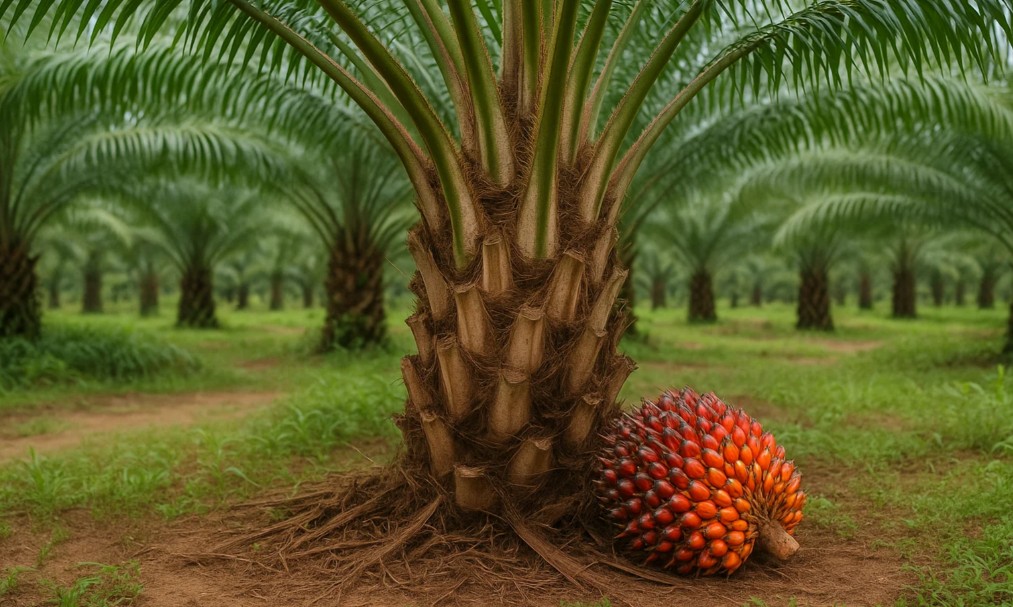
According to him, the palm industry’s domino effect extends beyond production and export figures. The presence of oil palm plantations also stimulates regional economies, from increasing smallholders’ incomes to the growth of micro, small, and medium enterprises (MSMEs) in the surrounding areas.
In fact, infrastructure development in remote areas as a result of oil palm plantation development has had a real positive impact. Road access, public facilities, and regional connectivity have improved along with the influx of palm oil investments.
From a green economy perspective, palm oil still has enormous potential. It’s not only a leading commodity but also a strategic sector capable of driving sustainable growth.
Therefore, Edi emphasized the importance of strengthening collaboration between palm industry players and the Plantation Fund Management Agency (BPDP) to increase productivity while expanding socio-economic impacts.
“The palm oil industry has opened up opportunities for regional and national developments. Its presence has led to community development, poverty reduction, and increased prosperity,” he said.
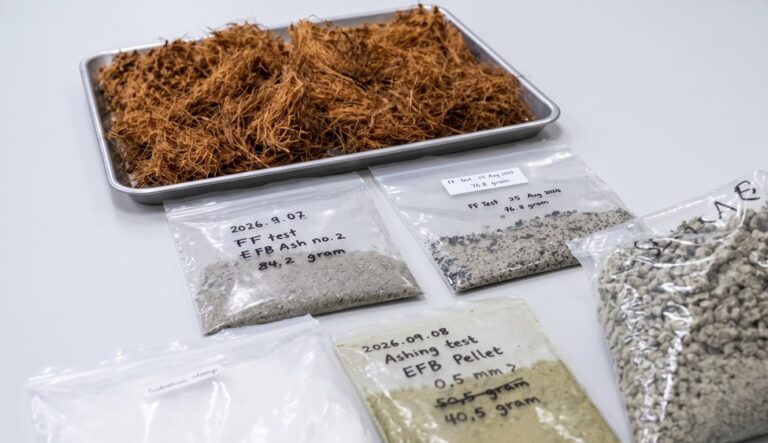
Environmentally, the transformation toward a green economy is increasingly visible. The palm oil industry now prioritizes sustainability principles, from its function as a carbon sink to the utilization of its wastes as raw materials for processing many value-added products as side products.
The commitment is reinforced through the implementation of the sustainability schemes of Roundtable on Sustainable Palm Oil (RSPO) and the Indonesian Sustainable Palm Oil (ISPO) certifications. These two systems of certification are crucial instruments for maintaining competitiveness in the international market that is increasingly concerned with environmental issues.
Regulatory pressures and global market pressures are ultimately shaping a new direction for the palm oil industry: Growth without deforestation, development without compromising ecosystems.
At this point, the green economy is no longer just a concept, but a concrete strategy that is beginning to be implemented, making palm oil not only an economic engine but also part of the sustainability solution in Indonesia. (*)
sawitindonesia.com. Transformasi Ekonomi Hijau Menjadi Napas Baru Industri Kelapa Sawit. https://sawitindonesia.com/transformasi-ekonomi-hijau-menjadi-napas-baru-industri-kelapa-sawit/. 4 Mei 2026