PANGKALAN BUN – More than 80% of Indonesia’s palm oil exports now consist of value-added downstream products rather than crude palm oil, reflecting the growing impact of the government’s industrialization strategy, an official said.
Zaid Burhan Ibrahim, finance director of the Plantation Fund Management Board (BPDP), said palm oil remains one of Indonesia’s leading export commodities, generating more than $20 billion in annual export revenue.
“More than 80% of Indonesia’s palm oil exports are now in the form of downstream products. This shows that downstream industrialization is creating greater added value for the national economy,” said Zaid during a working visit themed “Exploring the Future of Sustainable Palm Oil: From Research to Plantation Excellence” in Pangkalan Bun, Central Kalimantan, on Wednesday (28/07/2026)
He said Indonesia’s downstream palm oil industry has expanded through four major sectors.
The first are food and pharmacy sectors, which process crude palm oil (CPO) and crude palm kernel oil (CPKO) into products such as cooking oil, margarine, bakery ingredients, and vitamins A and E.
The second is the oleochemical industry, which supplies raw materials for products including soap, detergents, cosmetics, and skincare items.
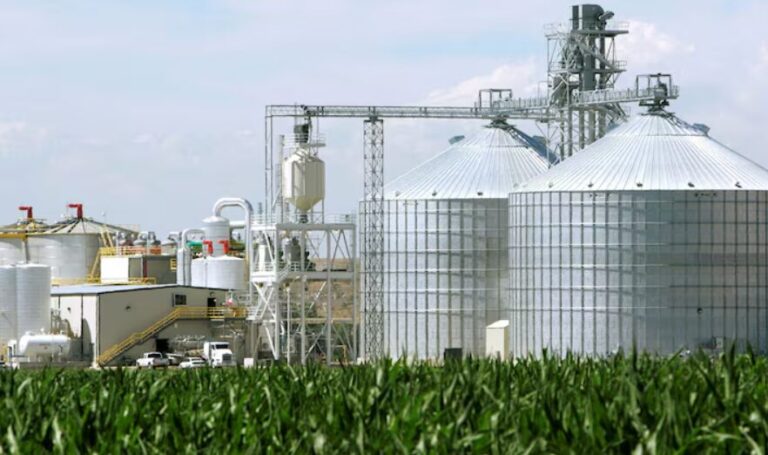
The third is renewable energy, where palm oil is processed into biodiesel, bioavtur or sustainable aviation fuel (SAF), and palm-based bio-gasoline.
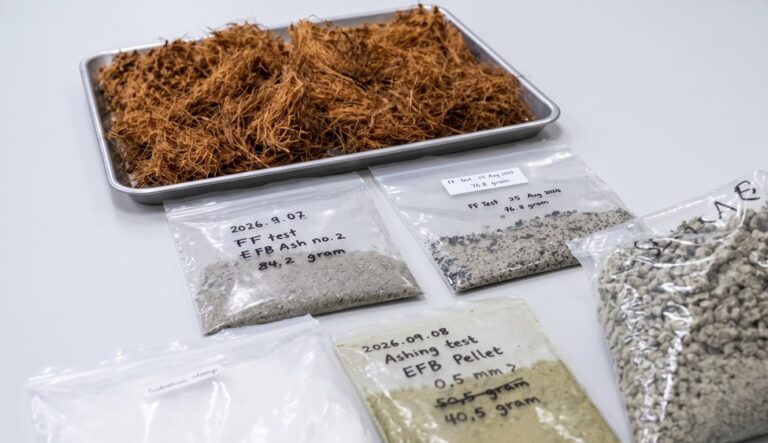
The fourth utilizes palm wastes that include biomass–empty fruit bunches, fronds, trunks, and fibers, palm oil mill effluent (POME) and others, to produce products such as animal feed, handicrafts, and bioethanol.
According to Zaid, the expansion of these downstream industries has not only increased the value of Indonesia’s exports but also broadened the economic benefits generated by the palm oil sector.
BPDP estimates that the industry currently supports around 16.5 million jobs, both directly and indirectly.
About 9.7 million people work directly in plantations, including 5.2 million employed by smallholders and 4.5 million by state-owned and private plantation companies. Another 8 million jobs are supported by related industries, including transportation, fertilizer production, plantation equipment, logistics, and other services.
“When we talk about palm oil, we are really talking about the livelihoods of millions of Indonesians,” Zaid said.
He added that palm oil’s contribution extends beyond export earnings. In 2025, the plantation sector accounted for 4.56% of Indonesia’s gross domestic product, while independent smallholders managed about 41% of the country’s oil palm plantations.
Those plantations produce more than 16 million tons of palm oil annually, with productivity continuing to improve.
“These figures show that smallholders are not merely supporting players in Indonesia’s palm oil industry — they are among the key actors in the national supply chain,” Zaid said.
“In various palm oil production hubs, the presence of this industry drives infrastructure development, the growth of new economic centers, and the expansion of MSMEs, while also boosting Indonesia’s gross regional domestic product and regional income,” said Zaid.
Jakartaglobe.id. Downstream Products Now Account for Over 80% of Indonesia’s Palm Oil Exports. https://jakartaglobe.id/business/downstream-products-now-account-for-over-80-of-indonesias-palm-oil-exports
money.kompas.com. Tak Lagi Andalkan CPO, 80 Persen Ekspor Sawit RI Kini Didominasi Produk Hilir. https://money.kompas.com/read/2026/07/30/074700626/tak-lagi-andalkan-cpo-80-persen-ekspor-sawit-ri-kini-didominasi-produk-hilir