JAKARTA – The Indonesian Palm Oil Association (Gapki) has regretted that there are still a number of food companies which use the “no palm oil” labels in their products as part of their marketing ploy.
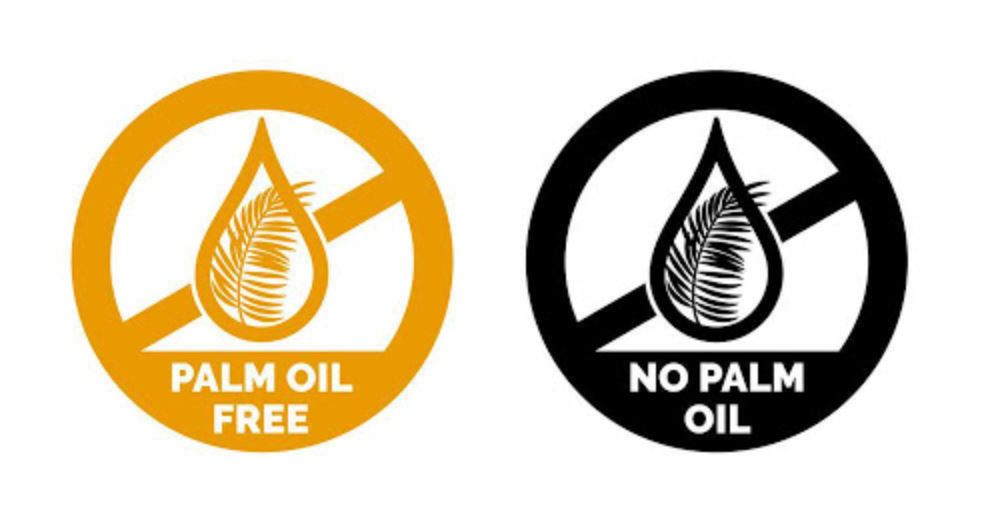
“Such labeling is part of negative campaigns which has seriously harmed the palm oil industry in Indonesia,” Gapki Chairman Joko Supriyono said during a virtual meeting with the press on Thursday, 17 June 2021.
Joko said that the drugs and foods supervisory board (BPOM) has stipulated the labeling issue. All food products’ labeling should inform the real contents of the products as such.
“For example, the ‘no palm oil’ label is a violation of the regulation,” Joko said, citing a brand of chocolate produced in Bali.
“We’ve reported it to BPOM to take necessary actions. But because quite many of the products are already in the market, then the products are only covered with insulations,” he said.
The government data has shown that the palm oil has contributed significantly to the surplus of Indonesian trade balance every year.
Last year, when Indonesian trade balance saw a surplus of US$21.7 billion, the total exports of palm oil products and derivatives reached US$22.97 billion.
Besides, the palm oil industry has also become the backbone of the government’s program to push up the use of biodiesel and reduce reliance on the fossil fuels through the biodiesel 30 percent (B30) production by mixing it with 30% fatty acid methyl ester (FAME) derived from palm oil.
The program will be raised to B-40 or with the mixture of 40% palm oil.
“They don’t understand that ‘no palm oil’ labels have different meaning for them and for us. For us, it means vilifying the palm oil industry. For them, it is only a marketing strategy, not the essence,” Joko said.
“In Yogyakarta the same case happens to the chocolate Monggo, which proudly attaches the ‘no palm oil’ labels. But it has been also tackled,” he said.
He said that education on the labeling is needed as there are still many foods producers who do not understand the meaning of such labeling for the palm oil industry in Indonesia.
The western countries have launched the campaign on ‘no palm oil’ labeling. They accuse the palm oil industry as the main cause of deforestation in Indonesia and Malaysia. The accusation has been denied by Indonesia and Malaysia, showing convincing data that the expansion of oil palm plantations in the two countries has not caused a significant deforestation and the two countries have issued regulations that ban the development of oil palm plantations in protected forests.
“Usually, if there is any such labeling in Indonesian companies, it certainly involves foreign people,” said Joko.
He said that not only food labeling, the negative campaigns against the palm oil in Indonesia had been also “smuggled” into schools.
He cited the example of a school in Riau province, where students are taught that the palm oil is bad thing for Indonesia. An international school in Bali also taught students that palm oil is detrimental to the world.
“We’ve sent a letter to the education ministry, asking for any necessary actions to solve the issue. We regret that there are schools in Indonesia which have curriculums against the palm oil,” said Joko.
“The ministry’s inspector general directly took action, asking for all of them to be corrected. Such cases are actually not the first ones,” he asserted. (*)
Source: Beritasatu.com | Featured image via globalplanet.news