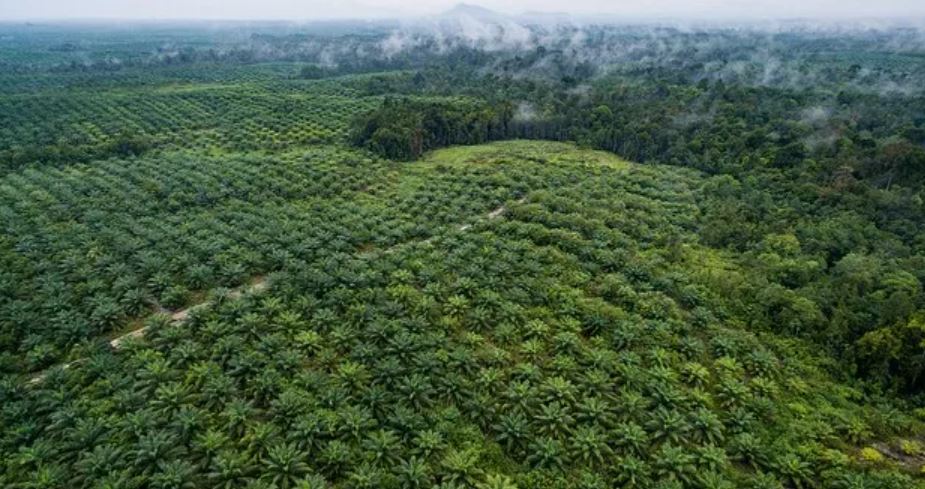
JAKARTA – The implementation of the Indonesian Sustainable Palm Oil (ISPO) program during the last 10 years until March 2021 has resulted in the certification of 4.53 million hectares or 27% of the country’s total 16.83 million Ha of oil palm plantation areas.
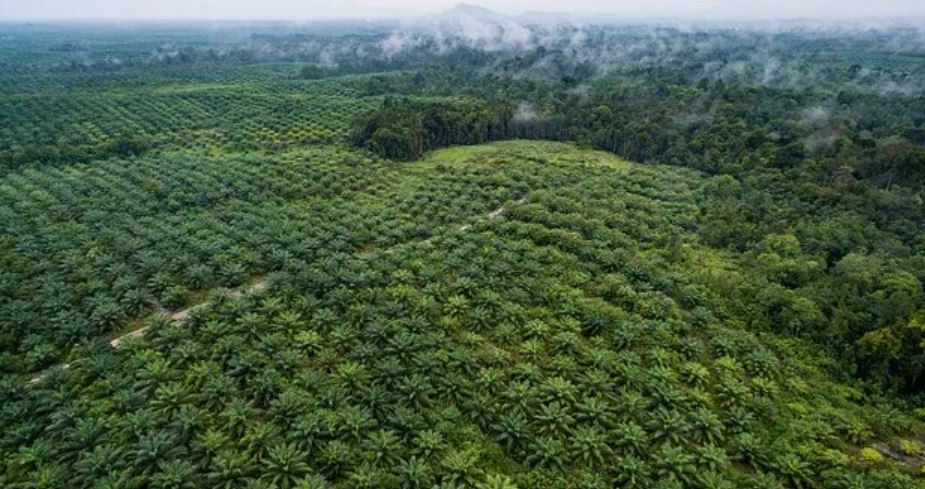
The ISPO certified oil palm acreage produces 12.04 million tons of crude palm oil (CPO) per year as of March 2021.
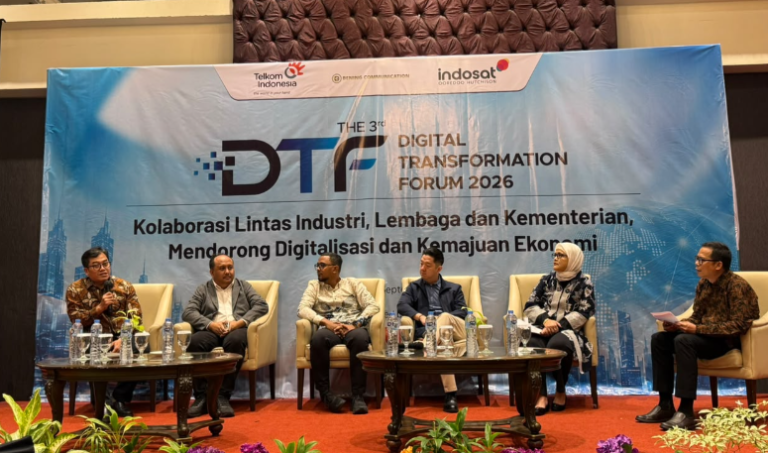
The ISPO data was revealed during the webinar on “10 year reflection of ISPO: Acceleration of Indonesian Sustainable Palm Oil”, which was organized by Majalah Sawit Indonesia on Wednesday, 22 September 2021.
The webinar was addressed by the economic coordinating ministry’s Deputy in charge of Foods and Agribusiness Coordination Dr.Musdhalifah Machmud, the Indonesian Palm Oil Association (Gapki) Chairman Joko Supriyono, the Indonesian Oil Palm Smallholders Association (Apkasindo) Chairman Dr. Gulat Manurung, and the strategic sustainable oil palm plantations forum (FP2SB) Chairman Ir.Achmad Mangga Barani.
Gapki Chairman Joko Supriyono said that during the last 10 years, 763 private oil palm companies have managed to get the ISPO certification for their plantation areas.
“Gapki groups a total of 496 oil palm companies. We’d targeted that all should be certified with the ISPO by the end of 2020. But due to several factors, including the Covid-19 pandemic, transition to the new ISPO and other factors, we missed the target,” he said.
He noted that there is also a problem of communication with the ISPO institution. “This is very important as there has been always a problem of ISPO certification that needs coordination and communication,” said Joko.
According to him, with the issuance of the omnibus law there should be an adjustment to the principle and criteria of ISPO. “The adjustment process has affected the proceedings to reach the 100 percent target of ISPO,” Joko said.
He said that to accelerate the process of ISPO certification, oil palm companies under Gapki have conducted a refreshment of auditor and held trainings on the ISPO certification.
“Within the institution of Gapki, we’ve appointed a new division chief in charge of ISPO, who is designing an application system to support ISPO. We hope all member companies of GAPKI will use the application,” he said.
He noted that other challenges include the acceptance of ISPO certification in the European Union (EU) that is not yet realized. But the EU has promised to accept the New ISPO certification. “Then there is change of P&C, such as additional aspect of transparency and traceability,” he said.
Musdhalifah Mahmud said that the government is now working on the establishment an ISPO secretariat to facilitate the coordination of ISPO certification. “ISPO certification is now our national interest. It’s not only aimed to keep the image, but bigger than that to maintain the existence of palm oil industry from generation to generation,” she said.
She admitted that the acceptance of ISPO certificates at the global market is not yet significant. “But we have to be confident that it can be achieved. All stakeholders should pay serious attention so that the ISPO certification can be implemented faster in all of our oil palm plantations,” she said.
Ahmad Mangga Barani said that after the issuance of the presidential regulation (Perpres) 44/2020 on sustainability certification of Indonesian palm oil and the agriculture ministry regulation (Permentan) No.38/2020 on the ISPO implementation, the ISPO certification process has been faster as the issuance of ISPO certificates is only the authority of one institution. (*)
Source: KONTAN.CO.ID/Agrofarm.co.id | Featured image via forestsnews.cifor.org