Based on the report of the International Energy Agency (2017), around 90 percent of greenhouse gases (GHG) on earth is carbon dioxide (CO2). The increase of the carbon emission is the cause of global warming that had resulted in global climate change.
To tackle the problem of global warming, the international society has adopted two ways as global movements. First, reducing carbon emission through reduction of global use of fossil fuels, as 70 percent of global carbon emission is resulted from the use of fossil fuels. Second, sequestration of carbon from the atmosphere by planting trees as many as possible, as vegetation has the capacity to absorb carbon from the atmosphere through the process of photosynthesis.
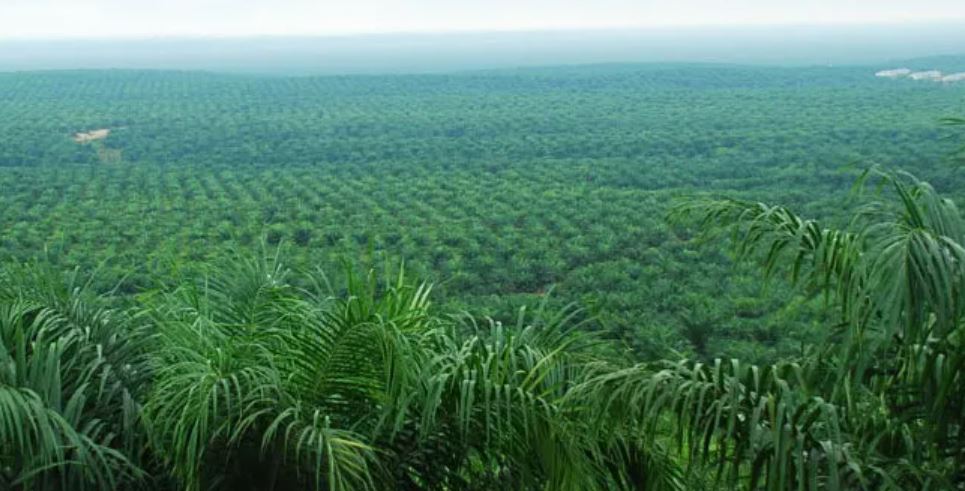
Apparently, the oil palm trees have the capacity to significantly absorb carbon from the atmosphere. According to the research conducted by Henson (1999), every hectare of oil palm plantation can absorb averagely 161 tons of CO2 per year. The oil palm trees’ sequestration of carbon dioxide helps their growing and their palm oil production as part of the vegetation.
Currently, Indonesia has a total of 14 million hectares of oil palm plantations in more than 200 regencies across the archipelago. With the total area, Indonesia’s oil palm plantations absorb around 2.2 billion tons of carbon dioxide (CO2) from the atmosphere every year. In terms of financial value, the total sequestration is worth around US$44 billion or around Rp 600 trillion per year.
Based on the fact that the combustion of fossil fuels is the main source of carbon emission, five largest emitters of carbon dioxide in the world are the European Union, USA, Russia, India and China. The Indonesian oil palm plantations play an important role in absorbing the carbon emission and converting it to oxygen that is needed by human beings, plants and animals.
Considering the environmental benefit of oil palm plantations, especially in absorbing the carbon dioxide emitted by those developed countries, it is difficult to understand why people in the European Union are hostile to the palm oil. It is also very saddening to see those green NGOs are paid by certain people in the developed countries to hate palm oil. Its good service of cleaning their waste is repaid with vilification. So are the Indonesian people who join the negative campaigns of slandering palm oil, despite the fact that the oil palm trees have contributed to the efforts of cleaning the carbon dioxide emitted through economic activities, especially the combustion of fossil fuels.
Actually, we should be grateful to the oil palm plantations which function to absorb the carbon dioxide every day for free of charge. (*)
Source : sawit.or.id