BANDUNG – The Indonesian Palm Oil Association (GAPKI) has prepared a standard operating procedure (SOP) to protect palm oil production against the impacts of the weather phenomenon of EL Nino, which include potentially longer dry season.

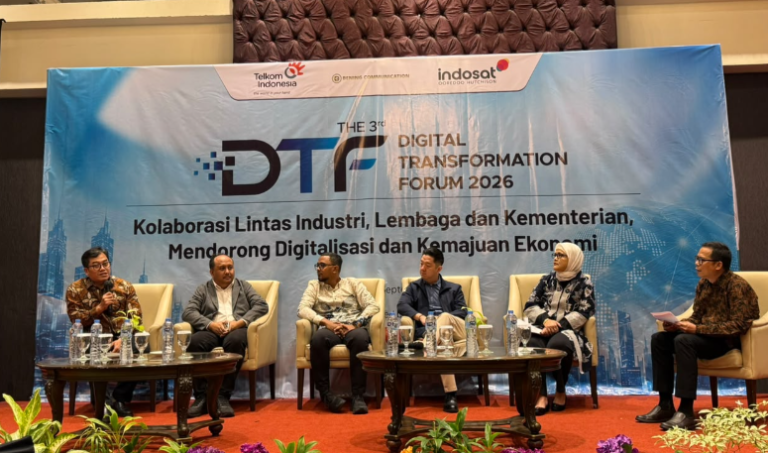
“We’ve designed a standard operating procedure (SOP) to tackle the impacts of El Nino in oil palm plantations. We’ve also discussed it with the government,” GAPKI Chairman Eddy Martono said during a public discussion in Bandung, West Java, on Wednesday, 23 August 2023.
He said that included in the SOP is weather modification to make it rain under a collaboration with the ministry of environment and forestry. All plantation activities, from planting to fertilizing and harvesting, will be implemented based on governance so that production can be maintained.
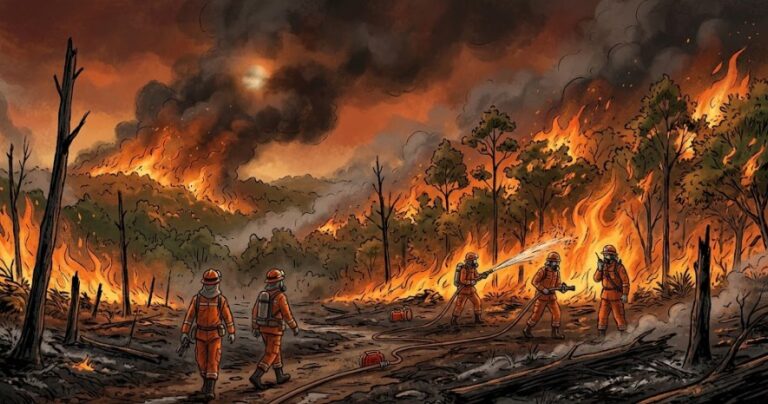
“We’ll also not conduct weed spraying as it is potential to cause fire. So, before El Nino we’ll ensure all plantation activities conducted in compliance with the SOP to avoid negative impacts to production,” he said.
Eddy ensured the El Nino phenomenon in 2023 will not be as bad as that in 2015 and 2019 when palm oil production was disrupted for two years.
“It’s predicted that it won’t be like the condition in 2019. Based on the prediction of BMKG (Meteorology, Climatology and Geophysics Board), the El Nino impacts won’t be like that in 2015-2019,” he said.
Previously, the El Nino phenomenon in 2023 was predicted to cause extreme heat wave and longer dry season that will result in production decline of a number of agricultural products in Indonesia, such as palm oil and rice.
The Food and Agriculture Organization (FAO) has even projected the production decline of rice in Indonesia due to the El Nino up to 1.13 – 1.89 million tons, and decline of farmers’ income up to 20 percent.
The BMKG has also warned the public on the potentially long period of El Nino phenomenon, so that the public need to take preemptive steps to mitigate its negative impacts, such as water shortage, forest and land fires (Karhutla), and production decrease of agricultural products. (*)
Source: REPUBLIKA.CO.ID/ANTARA