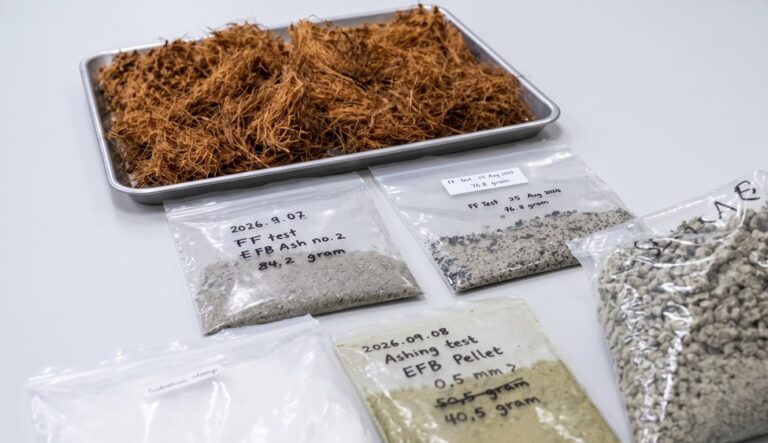
JAKARTA – State-owned electricity company PT PLN, through its subsidiary PLN Indonesia Power (PLN IP), managed to fully replace its coal use with 100% biomass of palm kernel shells in its coal-fired power plant (PLTU) Sintang, West Kalimantan province. It is part of PLN’s innovation to reduce carbon emissions in its power generation.
PLN President Director Darmawan Prasodjo said that PLN is fully committed to supporting the government’s energy transition program to mitigate the impacts of global warming caused by climate change.
“We keep innovating aggressively to reduce the use of fossil fuels and increase the use of renewable energy. The energy transition is now a must. We do it not because of the international agreement, but we care about environment and we want to ensure that the next generation should get better quality of life than the current generation,” Darmawan said in a written statement as quoted by sawitku.id on Tuesday (19/12).
PLN Indonesia Power President Director Edwin Nugraha Putra said that the use of biomass in the PLTU is part their commitment to support PLN in leading the energy transition in Indonesia.
PLTU Sintang, which has a generation capacity of 3×7 Megawatt (MW), is the first PLTU and the longest in continual operation using biomass of palm kernel shells since 14 December 2023.
“Continuing the success story of 100% biomass use test in January 2023, PLTU Sintang becomes the first fossil-based power plant that is able to operate by using 100% biomass of palm kernel shells and woodchips,” said Edwin.
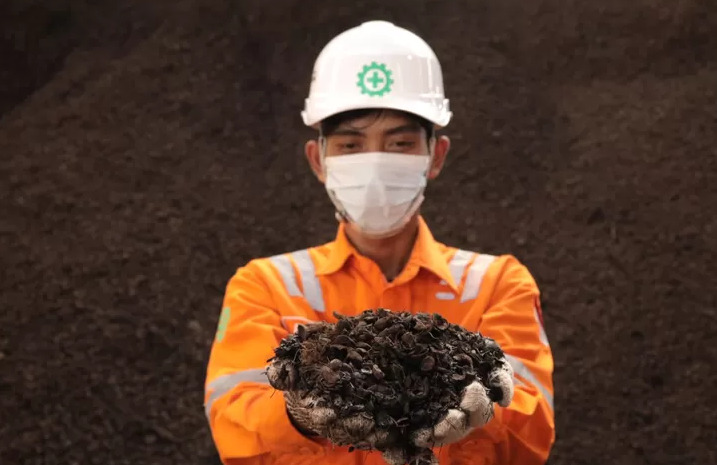
Based on the research of PLTU Sintang, the palm kernel shells have caloric content of 4,100 kcal/kg, which is higher than the low-rank coal with caloric value of 3,700 kcal/kg.
Besides, the mixture of palm kernel shells and woodchips has a caloric value of 3,732 kcal/kg which is still higher than the lower-rank coal.
“We plan that PLTU Sintang will be fully and continually in operation with the use of the biomass, but it will depend on the availability of the biomass,” said Edwin. (*)
Source: sawitku.id