JAKARTA – Traction Energy Asia reported that Indonesia has potential supply of used cooking oil (UCO) at around 1.2 million kiloliters per year, which can be utilized as the raw material to produce biofuel.

Refina Muthia Sundari, Research Manager of Traction Energy Asia, said that the UCO is a promising alternative for Indonesia in producing the eco-friendly biofuel.
According to Refina, the innovation of using UCO for producing biodiesel is not new in the world. But its use in Indonesia is still lacking.
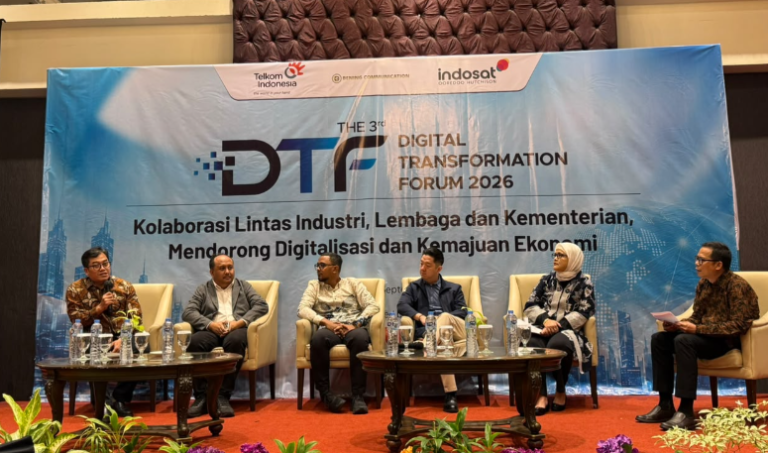
She said that as the world’s largest producer of palm oil and exporter of UCO, Indonesia has a big potential at the global market. “Its price at the global market is higher due to the policies that require raw materials for biodiesel without causing land conversion. The price is around Rp 18,000 per liter,” Refina said during the Talkshow on the impact of biodiesel policy on cooking oil supply and Launching of the book story on upstream-downstream palm oil industries in Melawai, South Jakarta on Thursday, 07 December 2023.
In terms of price in the global market, the UCO is more competitive than the crude palm oil (CPO). The use of UCO can also provide profitable carbon credit for the producers of biofuel.
“It means that when producers use the UCO as their feedstock to produce biofuel, they will get big incentives from their governments,” said Refina.
According to her, based on their joint assessment with Pertamina in 2022 and 2023 the biodiesel produced from UCO meets the Indonesian National Standard (SNI). “So, the UCO is suitable as raw material to produce biodiesel and meets the SNI standard,” she said.
But she pointed out that there are a number of problems facing producers in using the UCO as raw material to produce biodiesel in Indonesia. “The technology is available. It’s very possible, but we haven’t yet had regulation on its governance and trading,” said Sundari.
She also stated that there is no yet guarantee on the sustainability of its supply as Indonesia has no logistic system of UCO, which will continually support the production of UCO-based biodiesel.
“Based on our research, more than 70% of Indonesian people still dispose their UCO directly into the water discharge site. Most of the UCO collectors export their collected UCO,” said Refina.
She said that actually the UCO can improve Indonesia’s energy resilience and reduce impacts to the environment. “But the government, companies and the general public should collaborate to tackle the challenges so that the UCO can be maximized as the alternative feedstock to produce the biodiesel,” she said. (*)
Source: sawitku.id