JAKARTA – Indonesian economic growth can be driven up to 7% this year (2024) through the expansion of downstream palm oil industry, mineral industry and tax income, a senior economist said.
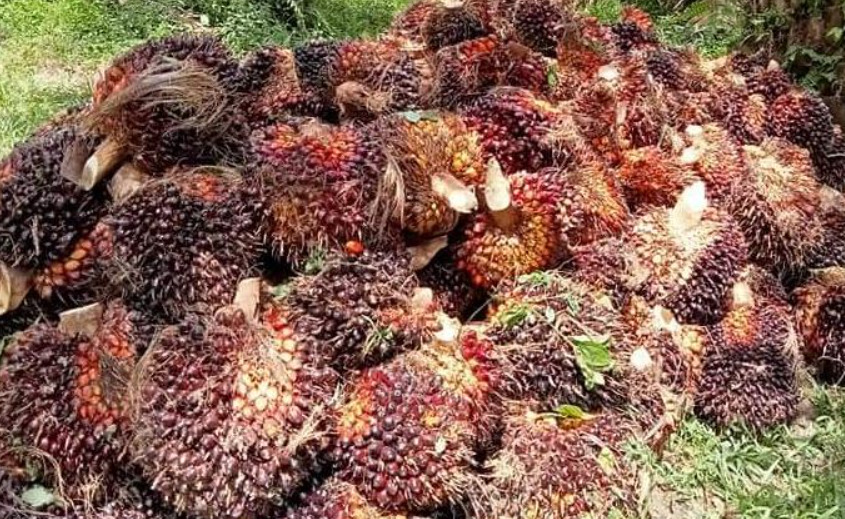
The Institute for Development of Economics and Finance (Indef) Senior Economist Dr. Aviliani said that as the top commodity of Indonesia, the palm oil plays an important role in the country’s national economy. The government’s policy of further expanding the downstream palm oil industry will increase added values and multiplier effect on the national economy. “Further downstreaming the palm oil industry will raise public consumption, absorb farmers’ production, increase farmers’ welfare and foreign exchange for the state.
“Besides, the presidential election in just one round is also a very decisive factor in realizing the target of economic growth,” Aviliani said during the public discussion on the reflection of palm oil industries 2023 and future challenges, which was organized by Rumah Sawit Indonesia (House of Indonesian Palm Oil — RSI) at The Westin Hotel, Jakarta, on Wednesday (10/1).
Currently, she said business players are now taking a stance of wait and see, pending the result of presidential election. If the presidential election will only be proceeding in just one round in February 2024, then business players can determine their next step sooner.
“But, if the election proceeds in two rounds, investments will be stalled. It means the business players will have to wait until the second semester of 2024. If that’s the case, then the target of economic growth will be difficult to realize,” said Aviliani.
Aviliani opined that although China will be able to increase its trade this year, the USA will still dominate the global trade with its currency for the next few years. “The global epicentrum is still gripped by the USA hegemony,” she said.
On the other side, Aviliani said that China is reluctant to see its currency too dominant in the global trade. (*)
Source: sawitku.id