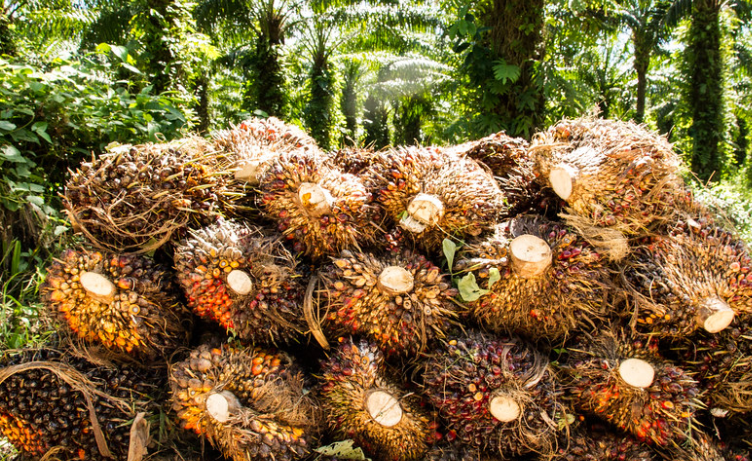
JAKARTA – Indonesian palm oil commodity is potential to reach its total value of Rp1,000 trillion. One of the key factors to realize such potential is by accelerating the implementation of replanting program in oil palm smallholders’ plantations.
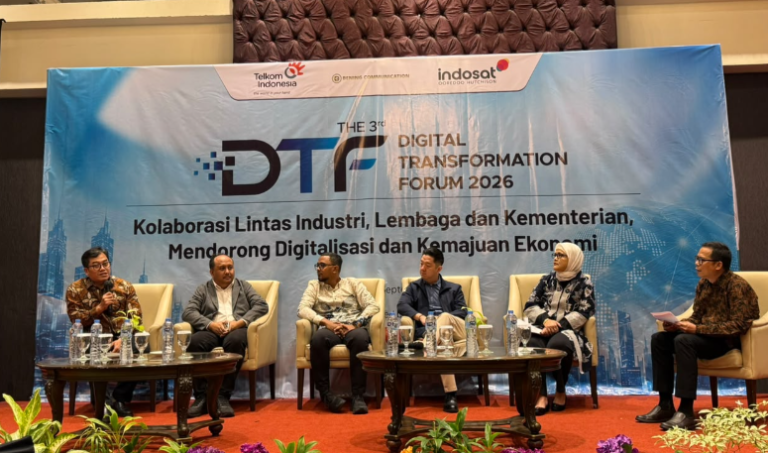
“We have to accelerate the replanting of smallholders’ plantations. If it is realized, we’ll have an addition of income from sale of crude palm oil (CPO) at around Rp200 trillion. Then added value from down-streaming will increase by 4 to 5 times. It means we can reach total value of Rp1,000 trillion, and further increase from the multiplier effect by three times up to Rp3,000 trillion,” Rumah Sawit Indonesia (House of Indonesian Palm Oil – RSI) Chairman Kacuk Sumarto said during a public discussion on reflection of palm oil industry 2023 and future challenges at The Westin, Jakarta, on Wednesday (10/1).
But Kacuk said that the implementation of replanting program is hindered by a number of problems. One of them is the less accommodative regulation, which is being revised by the agriculture ministry’s plantation director general. He expressed the hope that the revised regulation will be soon issued and it will become the basis for RSI to help the government in accelerating the implementation of the replanting program.
“The second problem is concerned with forest areas. Many plantation areas are still included in forest areas despite the fact that they had been used for tens of years by smallholders and companies. As a result their locations become legally problematic when included in the replanting program,” said Kacuk.
According to him, Indonesian palm oil industries this year are expected to be more expansive. “But the government should support the palm oil industries with more accommodative regulations. The agriculture minister regulation (Permentan) No.3/2022 should be revised to facilitate the replanting program. The government should also find ways to encourage partnerships between smallholders and companies in implementing the replanting program,” he said.
Kacuk said that another problem facing the palm oil industries is the negative stances taken by certain groups and countries, including the European Union (EU), against the palm oil industries.
He said that in facing such international condition all stakeholders need to collaborate to take the right steps and design the right policies on the upstream and downstream palm oil industries. The government should involve the palm oil industry players in designing such policies,” he said. (*)
Source: sawitindonesia.com