JAKARTA – The Indonesian Palm Oil Association (GAPKI) Chairman Eddy Martono has reminded that the next Indonesian government should realize the very important role of palm oil in the country’s national economy and design more conducive regulations to allow the palm oil industry surviving and thriving.
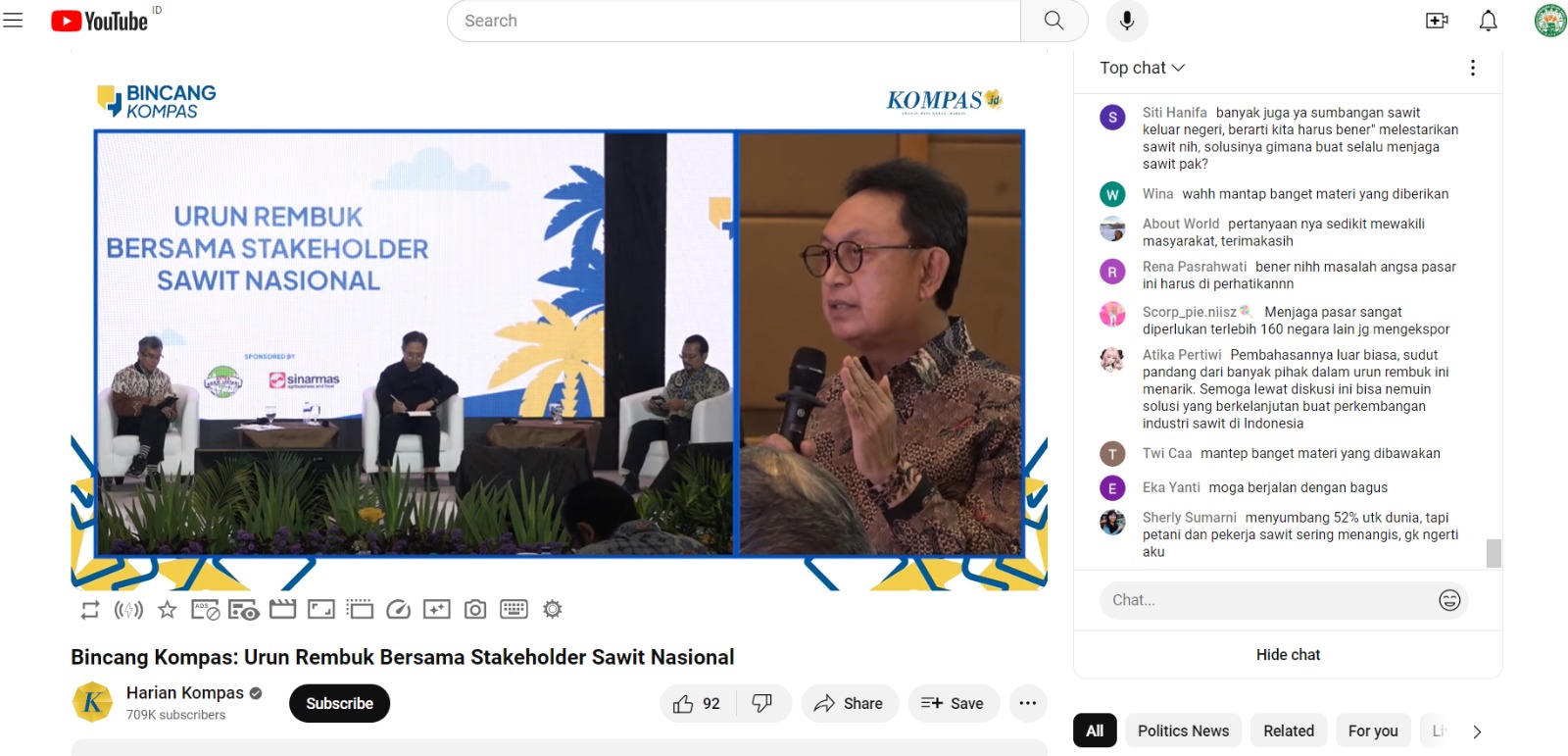
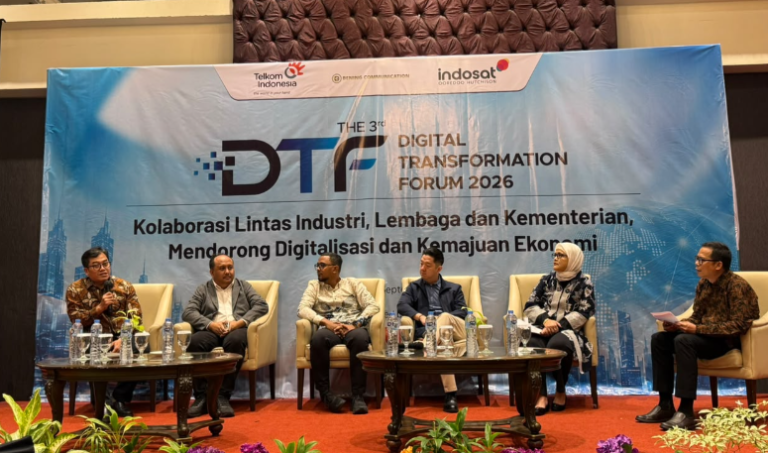
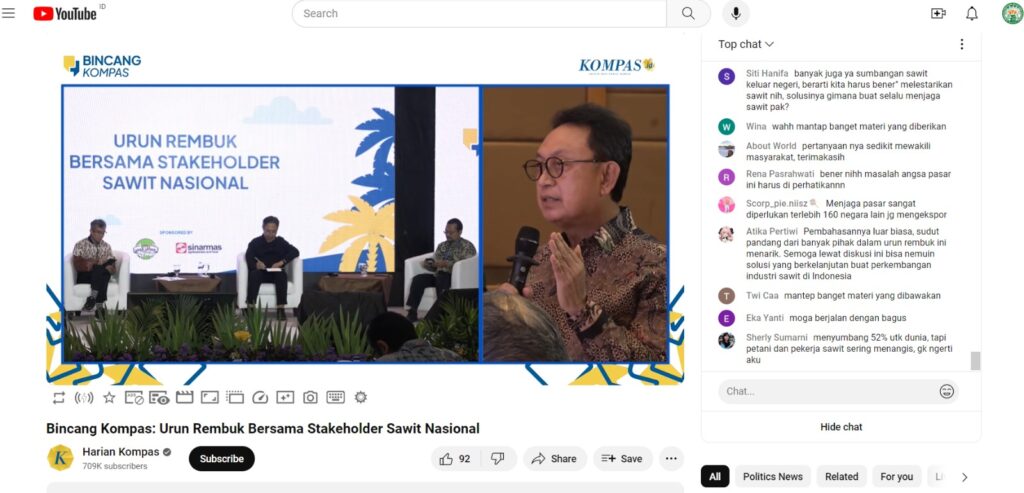
“The palm oil is crucially important for Indonesian economy. It’s clearly a real fact. We’re facing a constant series of negative campaigns against our palm oil commodity at home and abroad. Such campaigns will never stop as there are other vegetable oils as competitors to our palm oil. So, the new government should realize such condition and take all necessary policies to help advance the palm oil industry,” Eddy said during a public discussion on palm oil organized by Kompas daily in Jakarta on Wednesday (17/01/2024).
The palm oil industry has proven its contribution in the national development of Indonesia. Besides helping the development infrastructure, which has driven up regional economies, its export of crude palm oil (CPO) in 2022 reached US$39.07 billion or around Rp600 trillion, which is the highest in the history of palm oil industry.
“Indonesia shouldn’t repeat the history of its commodities. We used to become the world’s largest exporter of sugar, but now we’re an importer. The sugar history should not be repeated in our palm oil industry. We should maintain our position as the world’s largest producer and consumer of palm oil and avoid becoming an importer,” he said.
Eddy also said that palm oil industry players are confused over the overlapping regulations on palm oil industry in Indonesia. He cited the example of the requirement for plantation companies to set aside 20% of their plantation areas for smallholders. “Three ministries applies different regulations on the 20% allocation implementation. As a result, the industry players are confused,” he said.
Based on the agriculture minister regulation (Permentan) No.26/2007 on guidelines of getting plantation business licenses, companies which have the IUP or IUP-B licenses are obliged to allocate at least 20% of their total plantation areas for smallholders.
“The agriculture ministry, the agrarian and spatial planning ministry/national land agency (ATR/BPN, and environment and forestry ministry apply different requirements. As industry players, we’re confused on which one we should follow,” said Eddy.
Eddy noted that palm oil industry players have wanted that all prevailing regulations should be in line and not overlap. “We need a better governance in palm oil industry. That way, the palm oil industry can survive and thrive to contribute greatly to the Indonesian economy,” he said. (*)
Source: sonora.id