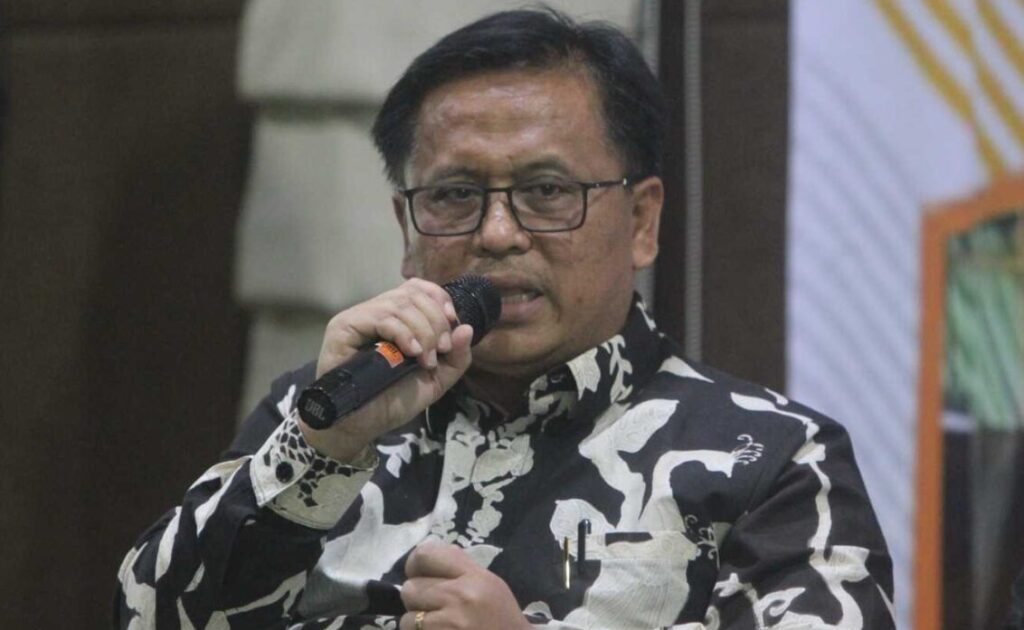
PALANGKA RAYA – The Indonesian Palm Oil Association (GAPKI) Secretary General Muhammad Hadi Sugeng said that Indonesian palm oil industry is now facing a number of problems that should be resolved thoroughly.
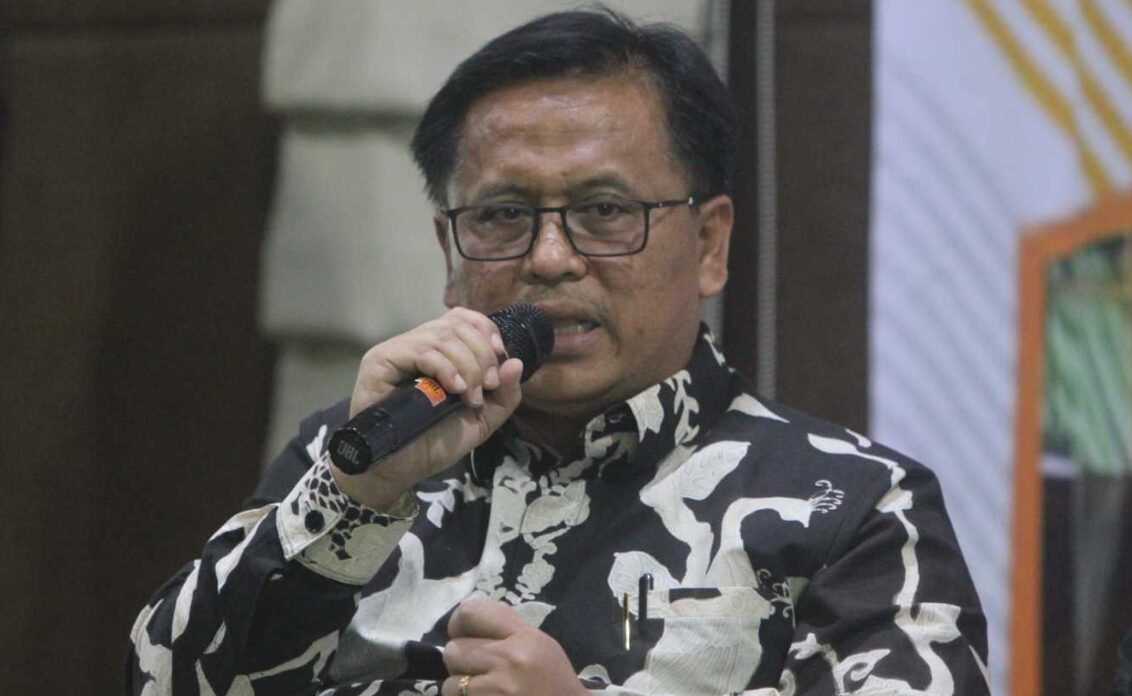
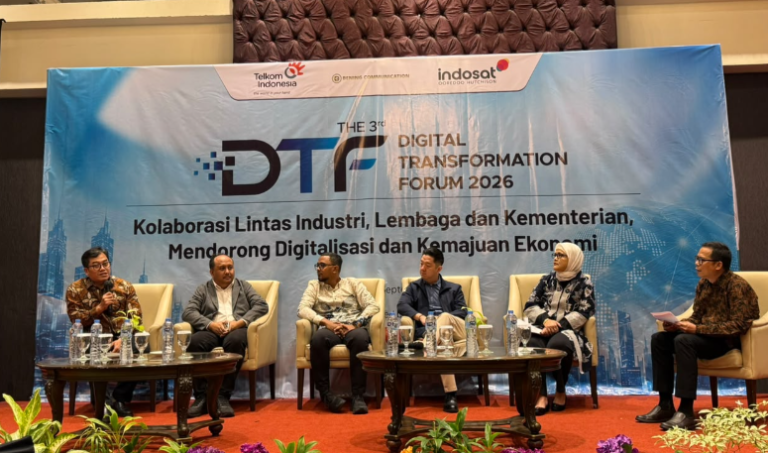
Hadi Sugeng made the statement during a public discussion on the prospect of palm oil industry after the implementation of the omnibus law on job creation (UUCK) in Palangka Raya on Monday.
According to him, the problems facing the Indonesian palm oil industries are concerned with stagnant production, smallholders’ plantation development, and forestry-related ones. “Our palm oil production is stagnant or even tends to decrease during the last five years. But at the same time local demand for palm oil has increased every year,” he said.
Hadi Sugeng said that GAPKI supports the government’s policy that requires oil palm plantation companies to allocate and develop 20% of their total plantations for smallholders’ oil palm plantations (FPKM). “GAPKI as an association of oil palm growers will keep pushing member companies to comply with the prevailing regulations,” he said.
“In implementing the FPKM 20%, all stakeholders need to strengthen collaboration based on the prevailing regulations so that illogical things won’t happen,” he said.
He pointed out that GAPKI also supports the government in its efforts to improve governance in the Indonesian palm oil industries, especially with regard to forestry-related problems. “GAPKI fully supports the government in improving the governance of palm oil industries through the UUCK which has been made effective since 2023,” he said.
Meanwhile, Dr. Sadino, an expert on forest law and lecturer of the faculty of law at the University of Al Azhar Jakarta, said during the public discussion that the UUCK is actually aimed to accelerate the process of solving problems in the oil palm plantations.
According to him, the legality of land areas in terms of costs is very expensive. “That’s why I said that the implementation of the UUCK is against the philosophy of the UUCK itself,” he said.
Sadino cited an example of a corporation wanting to set up a cooperative as part of partnership proposed by local communities. It is a cost for companies.
“For example, based on its article 110B the cost is more than 100 million rupiah, and based on the 110B its status cannot be transferred to the public. It is just limited to land area use. It means only one cycle of cultivation, and after that it should be returned. The public won’t like it,” he said. (*)
Source: balanganews.com