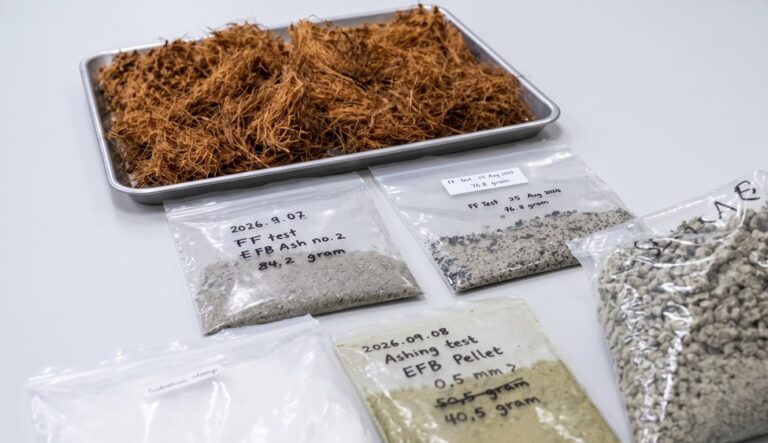
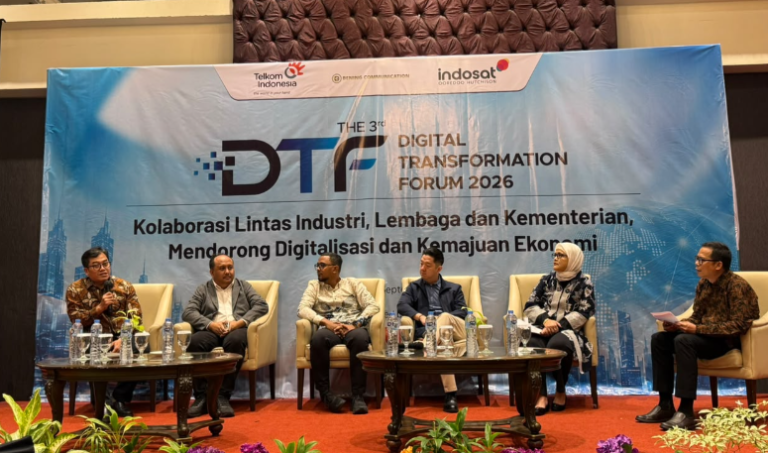
JAKARTA – The government has been asked to approve the proposals filed by three associations of smallholders in resolving the problems of oil palm plantations found encroaching into forest areas. The three associations are the association of Indonesian smallholders (Apkasindo), the association of smallholder plasma plantations (Aspekpir) and Samade (My Palm Oil My Future).
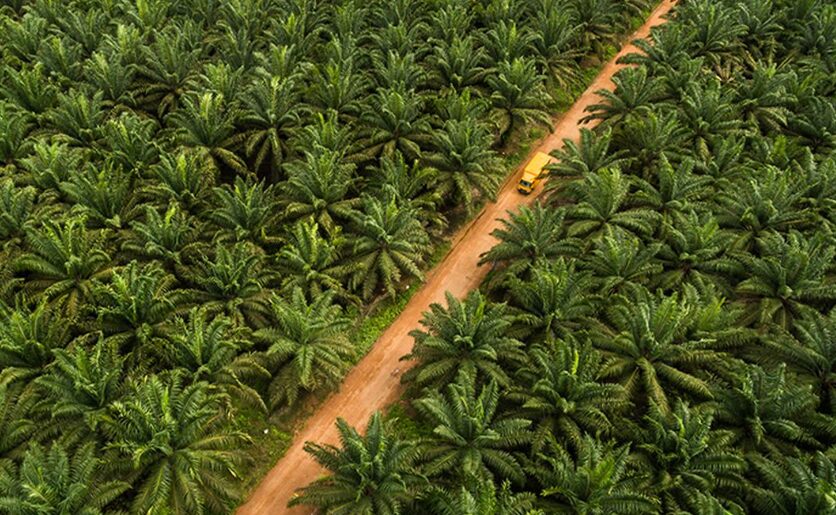
The proposals were announced by Apkasindo Chairman Gulat ME Manurung in a press statement on Tuesday (12/03/2024). Gulat said that the three associations hope the ministry of environment and forestry (KLHK) will resolve the land problems of smallholders’ oil palm plantations through historical approach based on the law (UU) on forestry No.41/1999 and the omnibus law on job creation (UU Cipta Kerja), and the revision of agriculture minister regulation (Permentan) No.01/2019.
The key point of the revision is concerned with protection of independent smallholders, and the revision on the regulation of Indonesian Sustainable Palm Oil (ISPO) with concept of relative ISPO. “From the perspective of the government, a regulatory consistency is needed for development of palm oil industry from upstream to downstream. It include consistency on prices,” Gulat said in a press statement.
Based on data from Apkasindo, during 2015-2023, the annual average prices of CPO International Rotterdam and PT Kharisma Pemasaran Bersama Nusantara (KPBN) show inconsistency. “The inconsistency is resulted from Indonesian position as the world’s largest producer of CPO,” he said.
Gulat said that the CPO price fluctuations since 2015 had shown an increase of up to 42.04%. But the price increase of fresh fruit bunches (FFB) from smallholders during 2015-2023 was only 27.27%. In 2023 the price of CPO Rotterdam dropped 25.98% and the price of CPO KPBN dropped 12.09% as compared to those in 2022. As a result the price of FFB dropped 10.20%. The increase of CPO price in early 2020 until 2022 had to do with the government’s mandatory policy of Biodisel 30 percent (B30).
The biodiesel policy significantly lifted the CPO price during 2020-2022. It managed to maintain the balance of CPO prices between domestic and global markets. It was strongly related to the price increase of FFB from smallholders during the period. “The price increase of CPO as a result of the mandatory B30 had supported the availability of cooking oil at domestic market, especially since early 2023,” he said.
The shortage of cooking oil had forced the government to apply the policy to ban CPO export on 28 April 2022, which abruptly reduced the price of CPO at domestic market but at the same time the CPO price at global market significantly rose.
To lift the CPO price, the government had to increase domestic absoption of CPO by upgrading the mandatory B30 production to mandatory B35 by early August 2023. But the policy did not help much in increasing the CPO price at domestic market and its impact could be seen until the end of 2023. “But actually, the low price of CPO at domestic market after the CPO export ban was also caused by other factors,” he said.
Apkasindo saw that during 2015-2023 there was an absence of strategies regarding economic, social and environmental conditions. In 2024 there should be affirmative steps based on strategies that should be implemented by the government and all palm oil stakeholders.
“The government should be consistent in its policies from upstream to downstream. A regulation should be issued to allow smallholders to develop their own palm oil mills, accelerate development of mini-factory of cooking oil (Pamigo) and red cooking oil (M3) factory which are managed by cooperatives and funded by the BPDPKS (oil palm plantation fund management board),” he said. (*)
Source: sawitkita.id