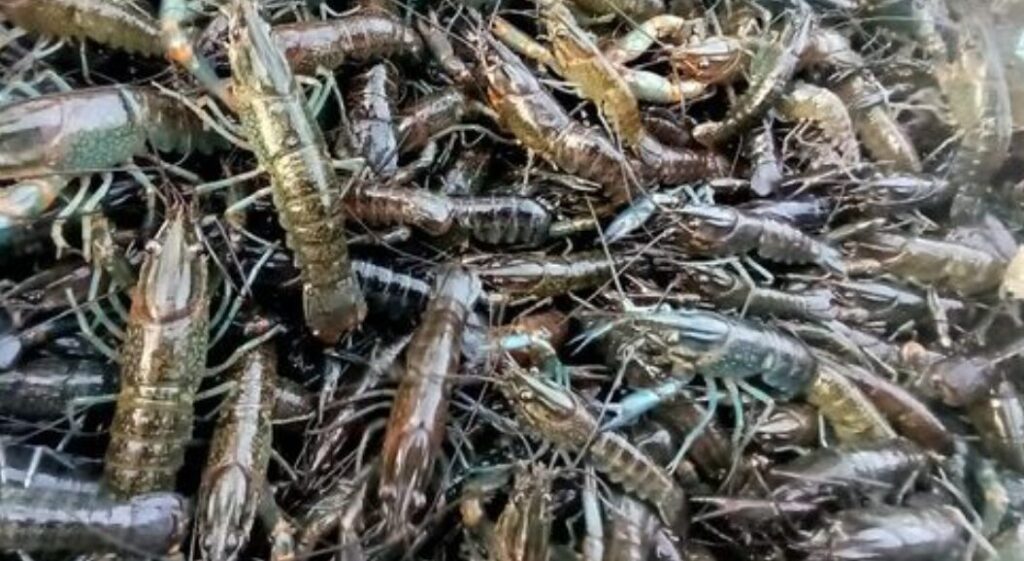
JAKARTA – Lobster is one of the superior commodities in a number of regions in Indonesia. It’s no wonder that the demand for lobster fodder is high in the country. The animal feed industries have been trying to produce the fodder from many sources.
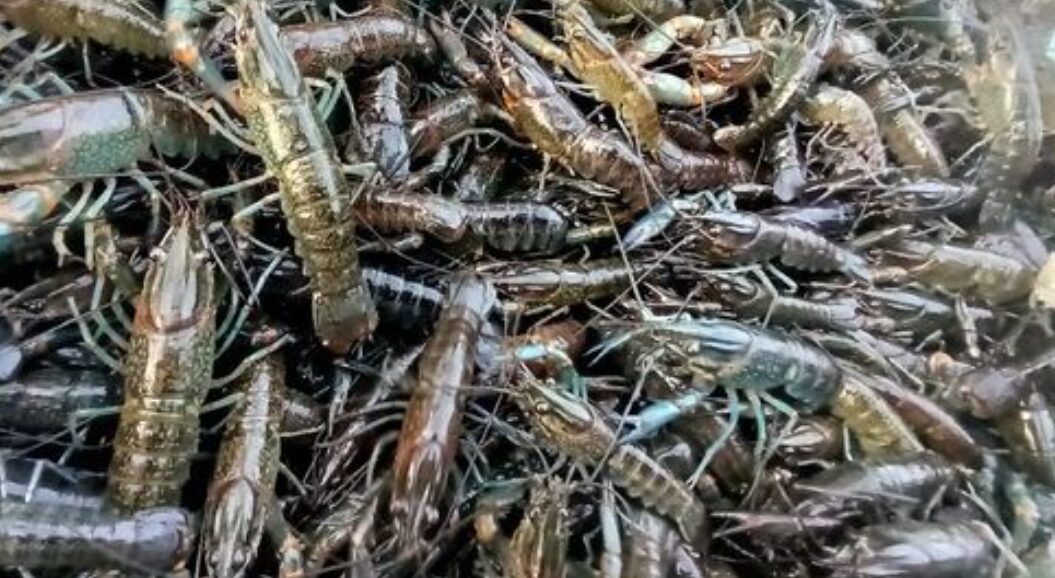
A team of research from the LPPM of Lampung University, led by Diki Dinar Tri Winanti, had tried to produce fodder for freshwater lobster by utilizing the palm kernel expeller, which is a solid waste from palm oil mills. Diki and team members utilized the palm meal after degrading its fiber through process of fermentation with the aid of the Aspergillus niger mold. The mold produces more cellulose, protease, and probiotic, which make lobster more healthy. After fermentation, the content of crude fiber will drop 55% from 15.16% to 6.86%. The percentage is close to the SNI standard, which requires crude fiber of fodder for freshwater lobster at the maximum of 6%.
In proximate test, the nutritional quality of the fermented palm oil expeller is categorized as good for processing into fodder of freshwater lobster. To increase the nutritional quality of the fodder, the palm kernel expeller should be mixed with proteins 30-40%, fat 5%, carbohydrate 20%, fiber 2%, water content 11%, vitamins and minerals 19 mg/100 gr, which can be derived from fish flour, soybean meal, corn flour, pollard, tapioca flour, alginate, premix, and fish oil.
To produce freshwater lobster with optimal growth, the amount of palm meal used will range between 4-8%. With the palm meal-based fodder, the average survival rate of lobster being tested reached up to 100%. It means the freshwater lobster fodder made from the palm kernel expelleer is safe for the lobster. The length of lobster increased significantly by 17%, while their weight increased up to 40% per 15 days.
The research on the lobster fodder is financially supported by the oil palm plantation fund management board (BPDPKS). The result of the research with the title “Development of Palm Oil Waste For Freshwater Lobster Fodder To Realize Minapolitan Circular Economy in East Lampung’s Oil Palm Plantations” was published in the book of Grant Riset Sawit 2023. (*)
Source: sawitkita.id