JAKARTA – The government is revising the presidential instruction (Inpres) No.6/2019 on national action plan of sustainable palm oil for the period 2019-2024. The revision will cover efforts of palm oil downstreaming in Indonesia. The Inpres No.6/2019, which was issued by President Joko Widodo (Jokowi) on 22 November 2019, contains a number of instructions to all economic ministers, geospatial information board (BIG) head, governors and regents /mayors.
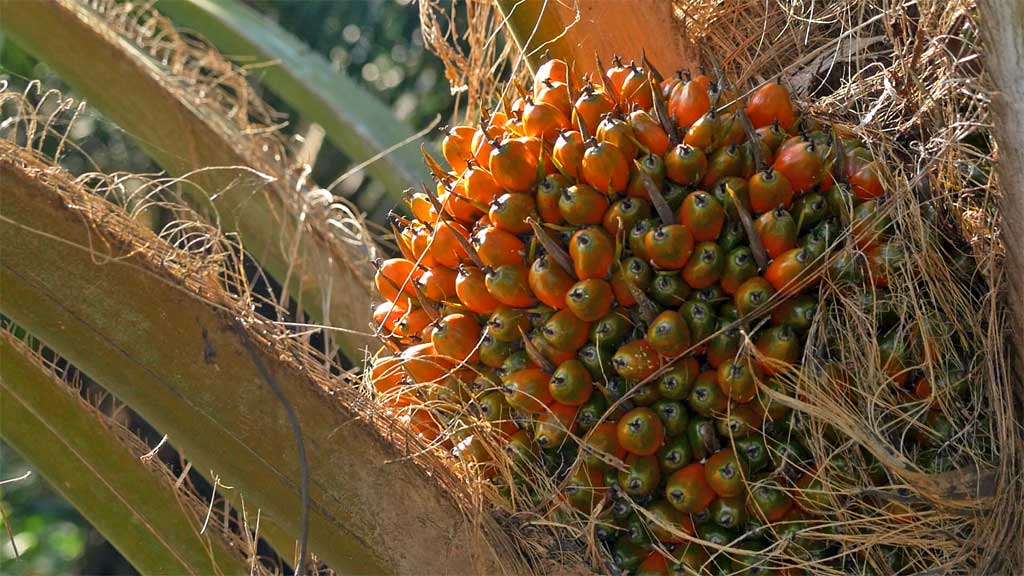
The Inpres No 6/2019 rules, among others, that the implementation of the sustainable palm oil action plan should be in line with functions and respective authorities. It also requires improvement of data, coordination, and infrastructure; increase of capacity and capability of growers, acceleration of the Indonesian sustainable palm oil (ISPO) certification, and increase of market access for palm oil products.
The ministry of energy and mineral resources’ (MEMR) Renewable Energy and Energy Conservation (EBTKE) Director General Eniya Listiani Dewi said that the revised Inpres is expected to add a stipulation on the ISPO certification as a sustainability standard in Indonesia.
“The government is now in the process of revising the Inpres No.6/2019. The revision will include a stipulaltion on the standard of ISPO for bioenergy, including biodiesel that will be required to be produced based on the principles of sustainability in the aspects economy, social and environment,” she said in Jakarta on Thursday (6/6/2024).
According to her, the government has been frequently informing the international communities regarding the sustainability principles in all supply chains of palm oil in Indonesia. “We’ve very often told the global communities that we’re on track in the implementation of sustainability principles in palm oil production. In such endeavor, we always involve our smallholders,” she said.
Eniya said that the use of bioenergy will push up the growth of downstream industries and exports. “We can do the downstreaming in palm oil industries massively. Certainly, it will also increase the income of smallholders. That way we can generate higher growth of local economies, which are based on agriculture,” said Eniya. (*)
Source: sawitkita.id