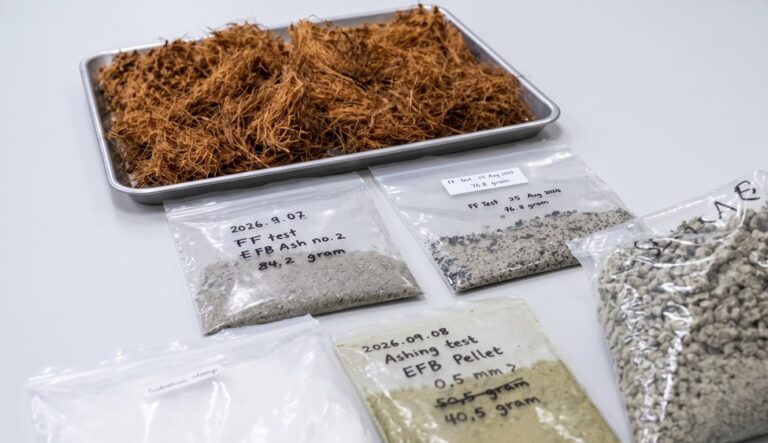
JAKARTA – A group of scientists have proposed the utilization of bio-charcoal, biosynthetic gas and a number of derivatives, to replace the liquefied petroleum gas (LPG) which is widely used by Indonesia people. The bioenergy can be processed from the biomass wastes of oil palm trees.
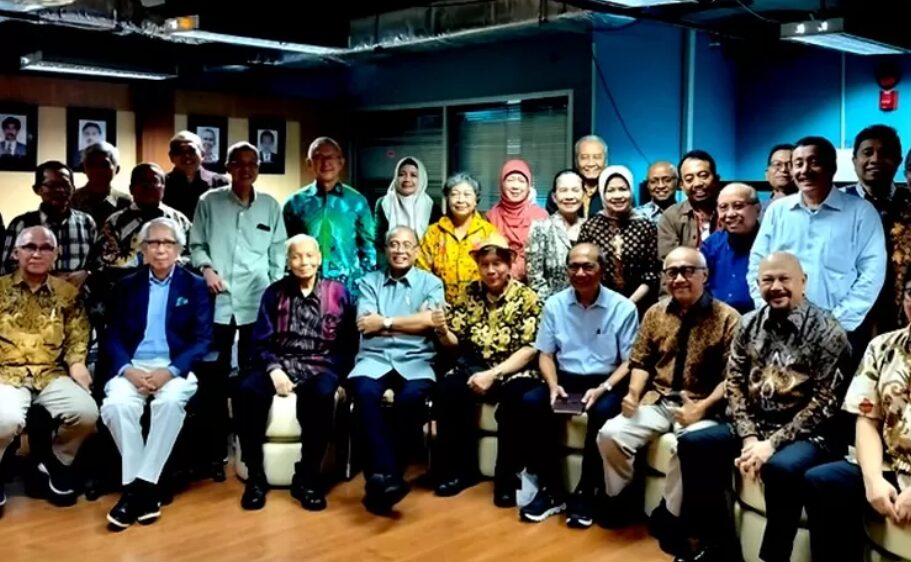
“Biomass wastes of oil palm trees are abundant in Indonesia. They can be processed into bio-charcoal. The bio-charcoal can be further processed into biosynthetic gas, which can be further processed into a number of derivatives, such as bio-ethanol, bio-gasoline, green diesel and bio-jet,” Co-Founder & CEO of After Oil.id, Rifo Romello said during a public discussion on “Smart City Decarbonization”, which was held by the Center for Technology and Innovation Studies (CTIS) on Wednesday (19/06/ 2024).
During the discussion, which was moderated by Dr. Idwan Soehardi of CTIS who is former deputy minister of risearch and technology, Rifo Romello said that LPG consumption in Indonesia has been continually rising every year.
In 2013, Indonesia’s local consumption of LPG reached 5.6 million tons, and in 2023 it had reached 8.7 million tons. Besides being 80% imported, the LPG also absorbs 56% of energy subsidy every year. The LPG also causes CO2 emissions which impacted the climate change.
“There should be efforts to find alternatives to reduce the consumption of LPG and reduce import, which will then save our foreign exchange. The bio-charcoal can be an alternative to replace the LPG,” he said.
According to him, to avoid competition between the use of palm oil for foods and energy, it is necessary that there should be a regulation on the use of land areas for the oil palm plantations. The fertile lands should be assigned for palm plantations to serve food needs, and the non-fertile ones assigned for palm plantations to serve the energy sector.
He said that actually, the European Union (EU) has determined 17 kinds of biomass that can be utilized as a source of bio-energy. The 17 kinds of biomass include oil palm wastes, rice husks, forest industrial wastes and city wastes.
Rifo said that it is now time for small and medium businesses, especially those involve in foods production and commercialization to replace their use of 3-kg canister LPG with bio-charcoal or biosynthetic gas. “It will save their cost, and also reduce LPG import and save our foreign exchange,” he said.
According to Rifo, for the next stage the biocharcoal can be processed into biosynthetic gas. It will mean that the LPG canisters will be no longer filled with the LPG , but with the bio-synthetic gas processed from the biomass. It can be also further processed to produce Reformed Methanol Fuel Cell (RMFC) as hydrogen gas for electric cars. The other derivative products include Reformed Dimethyl Ether Fuel Cell (RDMEFC) as hydrogen gas to fire electric cars and it can be easier transported from one place to other places.
The research-based finding of Rifo Romello and his team has drawn the attention of foreign research institutions and won the first award of Climate Impact Innovation Challenge, which was organized by Temasek Foundation in Singapore. His finding has been also included in the Top 5 of The World’s Most Innovative Changemakers by Standford University, AS. (*)
Source: sawitku.id