JAKARTA – The Indonesian government will revise its policy on national energy transition. It had presented to the house of representatives (DPR) a proposal to revise the policy contained in the government regulation (PP) No.79/2014 on national energy transition.
The revision is based on the environmental changes nationally and globally. It will be also adjusted to a number of conditions regarding the economic growth towards a developed country in 2045, the latest development of new and renewable energy, and its commitment to reduce greenhouse gas emission and to realize the net zero emission in 2060.
Commenting on the planned revision, Bayu Yusya, a legal analyst of the Energy and Mining Law Study Center (PUSHEP), said that it is urgent for the government to revise its energy transition policy as there have been many global changes in dealing with the challenges posed by the energy and environmental sectors in the future.
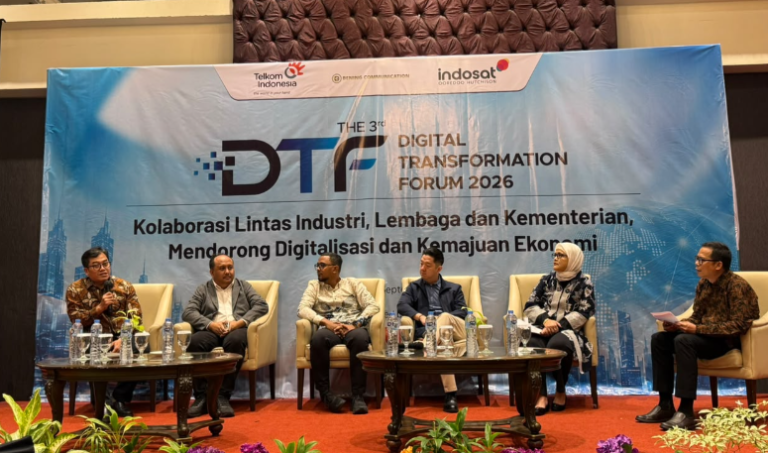
“The current national policy of energy was designed in 2014. It’s been 10 years since then, and now it’s the right time for revision,” he told the participants of a public discussion, which was organized by PUSHEP in Jakarta on Friday (21/06/2024).
According to Bayu, the draft of the government regulation presented to the DPR targets the new and renewable energy mix between 19% and 22% in 2030 and it will be gradually increased until 72% in 2060. The target was very difficult to realize as until the end of 2023 it was only realized at 13.09%.
“If there is no massive effort to involve all stakeholders in a thorough synergy to push up the energy mix, then the target of energy transition won’t be reached,” he said.
He said that until now the energy authority lies entirely in the hands of the central government and partly in the provinces. There should a decentralization to regencies/ mayoralties, so that they will be required to be jointly responsible in developing the energy sector in the future.
Besides, the energy generation, especially for the public, is centralized in the state-owned electricity company PT PLN. But in fact, there are many companies which have the capacity to generate electricity, especially based on renewable energy, for the public.
Bayu said that the government should open opportunities for all to develop power plants based on the renewable energy sources. “Companies like Pertamina New and Renewable Energy (PNRE) and Pertamina Geothermal Energy (PGE), and other private companies have the capability to develop the green energy sources in order to help realize the target of renewable energy mix based on the national energy transition,” said Bayu. (*)
Source: sawitku.id