JAKARTA – Do you think the palm oil industries have no role in reducing the global unemployment rate?. If you think so, then you need to verify it with the following real facts.
The contribution of palm oil industries to the global economy is related to the import and down-streaming activities of palm oil in the importing countries. Those activities directly and indirectly generate the growth of other economic sectors, which further process the palm oil to produce various palm oil-based products (European Economics, 2016; Shigetomi et al., 2020).
The growth of those economic sectors created job opportunities in the importing countries. Study of European Economics (2016) shows that in 2014, there were around 2.9 million workers absorbed by the down-streaming activities of palm oil in all importing countries or around 54 people per one thousand tons of imported palm oil. The job opportunities were created as a result of direct impact, indirect impact and induced import from the activities of import, down-streaming and consumption of palm oil products in those importing countries.
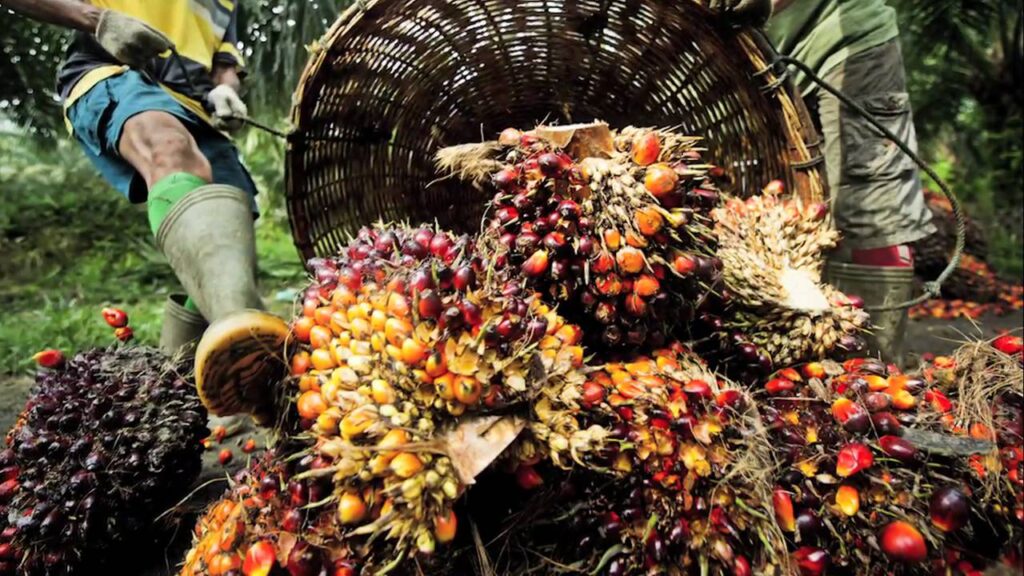
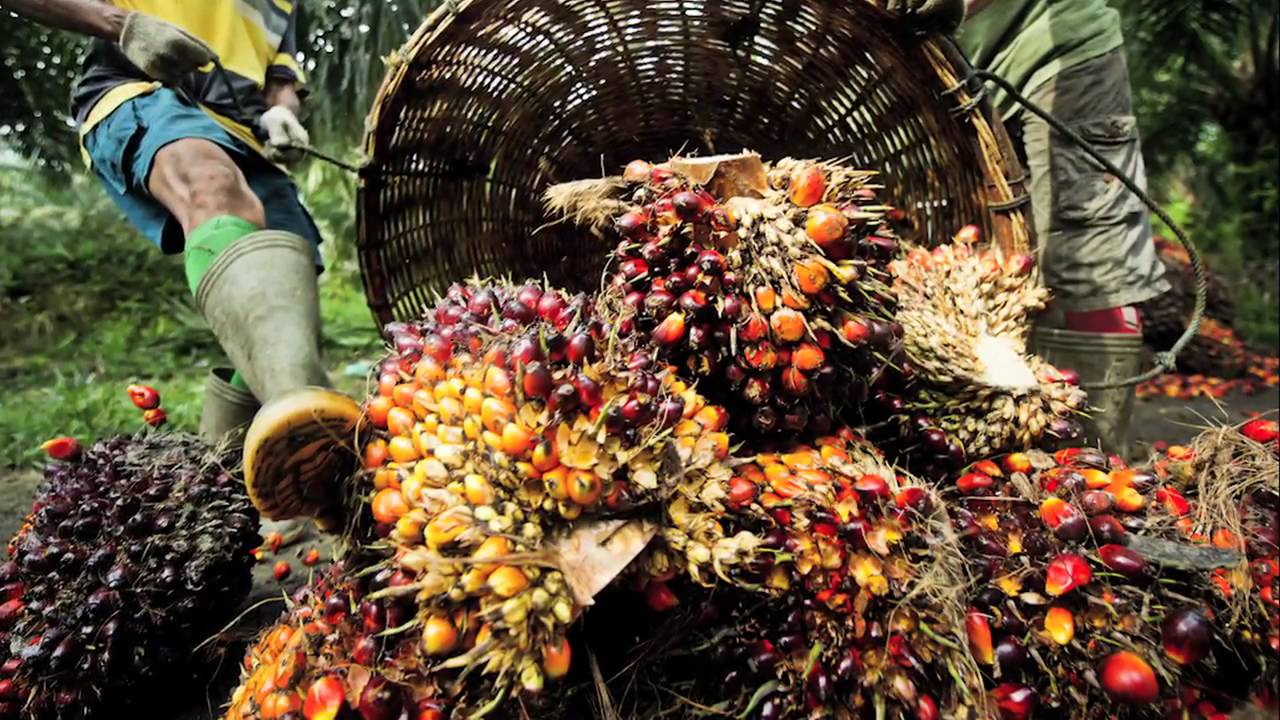
The distribution of job opportunities from the activities of import and down-streaming of palm oil (photo-1) varies in every importing country. India and China enjoyed the higher job creation with their respective shares of 40 percent and 33 percent. Besides their big volumes of imports, their higher job creation was also caused by the fact that the down-streaming in the two countries is more labor intensive than technology intensive. The technological choices in India and China are adjusted to the condition of the two countries, which have the largest population in the world so that they have abundant and cheap labor.

The creation of job opportunities in European Union (EU) and USA is lower, with their respective shares of 3.0 percent and 2.0 percent. The palm oil in EU and USA is used to feed the complex industries of foods, cosmetics and toiletries, biodiesel, and fodders. Those industries are categorized as relatively capital intensive or more labor saved. The cost of technology and investments in EU and USA is relatively cheaper.
The above facts show that the world’s palm oil producing and exporting countries like Indonesia share “economic cake” in the form of job creation with those importing countries of palm oil. The facts also show that the palm oil industries are globally inclusive as the industries involve the global communities in the supply chains and distribute the economic benefits in the form of job creation in the importing/consuming countries of palm oil , which then contribute to the reduction of global unemployment rate. (*)
Source: Mitos dan Fakta Kelapa Sawit – 4th Edition | Myth 4-01