JAKARTA – The Indonesian Palm Oil Association’s (GAPKI) Positive Campaign Division Head Edi Suhardi revealed why the European Union (EU) is hostile to Indonesian palm oil, and even tried to block it at the World Trade Organization (WTO). He said it is because the palm oil is cheap, competitive and could not be outcompeted by other vegetable oils, especially the oils produced in EU.
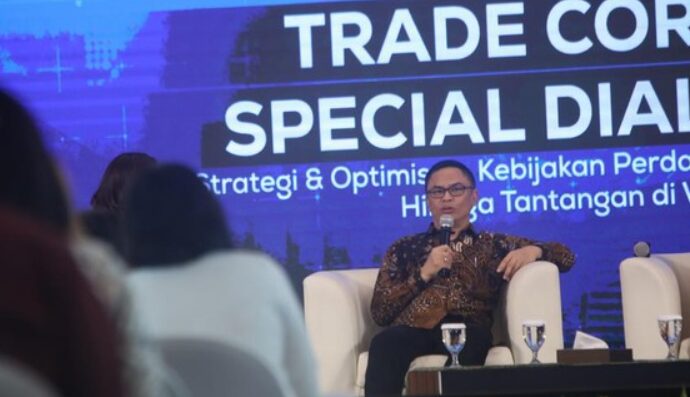
“They have plantations of sunflower and rapeseed. Their costs of production and raw materials, and processing are far more expensive. Such condition makes palm oil over competitive and could not be outcompeted by the other oils,” Edi said during the Trade Corner Special Dialogue CNBC Indonesia on Thursday (29/8/2024).
To tackle palm oil, the EU then applied tariff and non-tariff barriers against palm oil exporting countries, including Indonesia. The trade barriers include anti-dumping duty, unfair accusation of subsidy and other tariff and non-tariff barriers.
“I highly appreciate the efforts of Kemendag (RI’s trade ministry) that has taken the unfair trade cases to an extraordinary level. Indonesia is the most proactive country in dealing with the palm oil cases,” he said.
He said that as the world’s largest producer of palm oil, Indonesia has been sued at the WTO regarding the palm oil trading. In 2013, the EU filed anti-dumping lawsuit and excluded renewables against Indonesia. “We’re also facing lawsuits at the WTO regarding biodiesel. Previously, lawsuits on fatty alcohol, biodiesel anti-dumping, and renewables,” he said.
According to Edi, there are three barriers applied by the EU to block Indonesia’s palm oil products from entering the EU market. The three barriers are its application of anti-dumping import duties, unfair accusations of palm oil subsidy, and the EU Deforestation-Free Regulation (EUDR).
“Currently, we’re waiting for the certainty of EUDR implementation. If it is implemented, we’ll take the necessary steps together with the government,” he said.
The EU has planned to implement next year the EU deforestation-free regulation (EUDR), which requires that all agriculture, forestry and plantation products—meat, coffee, cocoa, soybean, rubber, leather, furniture and woods, imported to EU are free from the causes of deforestation. Despite continuing rejection and pressures to delay it from producing countries and EU’s domestic industries, it is not yet certain that EU will implement it next year. (*)
Source: cnbcindonesia.com / detikFinance