JAKARTA – The government is conducting a revision of presidential regulation (Perpres) on Indonesian Sustainable Palm Oil (ISPO) certification, which covers both upstream and downstream palm oil industries.
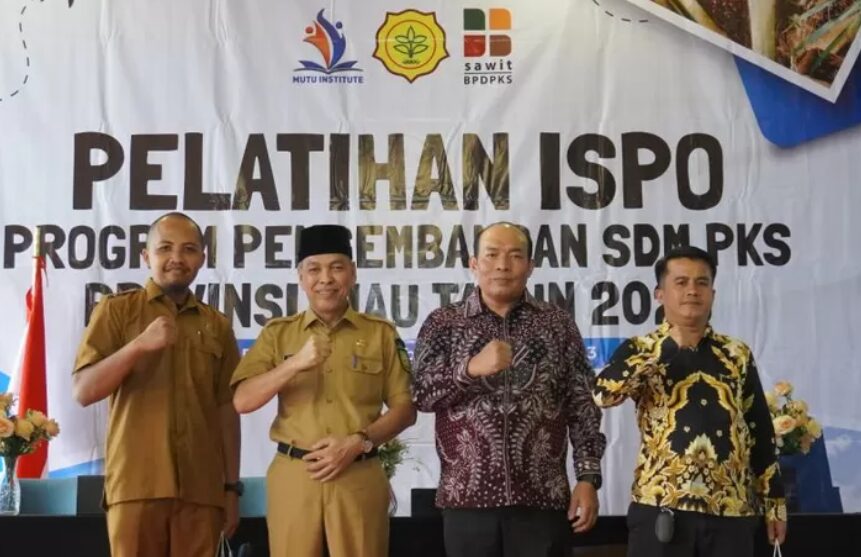
The industry ministry’s Director of Forestry and Plantation Products, Setia Diarta said that after the revision of the Perpres on ISPO, related ministries will have to adjust their ministerial regulations on ISPO to the revised version of the new Perpres. The agriculture ministry is in charge of the upstream palm oil industries, while the industry ministry is in charge of downstream palm oil industries, including the bioenergy industry.
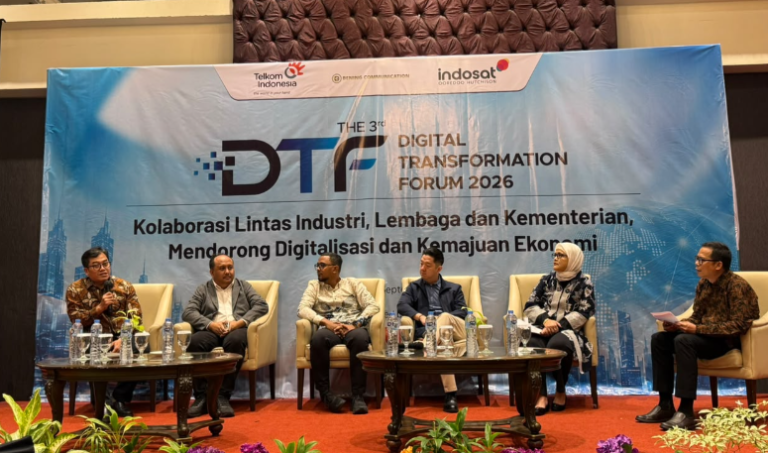
“The main issue in the Perpres is concerned with sustainability and traceability. Besides, the governance and legal compliance also become a focus of attention,” Setia Diarta said during a public discussion on the role of government in accelerating the certification of ISPO among oil palm growers and companies in Starlet Hotel Serpong Tangerang, on Monday (26/08/2024).
Setia said that the industry ministry will have to prepare a new implementing regulation based on the new Perpres, no later than 2 months after the issuance of the revised Perpres.
The regulation adjustment could be in the form of mass balance or in segregation. “If it is ensured to have ISPO certificates from the upstream, then we only need a segregation. But if not, then we have to apply the mass balance, separating those already certified and not yet certified,” he said.
Looking forward, the system of ISPO certification will use barcode, which allows traceability of products up to buyers.
The barcode will be applied from the industries of processing to traders, and even up to plantations. “This needs an integration of palm plantations in the upstream with processing industries and buyers at home and abroad,” said Setia.
For exports, the barcode will also function for customs, and for mechanism of buyers applied in countries of destinations.
It is aimed to ensure that all palm oil products from downstream process can be traced to the plants, processing stage, plantations and all supply chains that are well registered. (*)
Source: sawitku.id