JAKARTA – The government, through the agriculture ministry, is assessing an option to divert exports of around 3 – 5 million tons of crude palm oil (CPO) to the European Union (EU) for fulfilling domestic consumption in Indonesia.
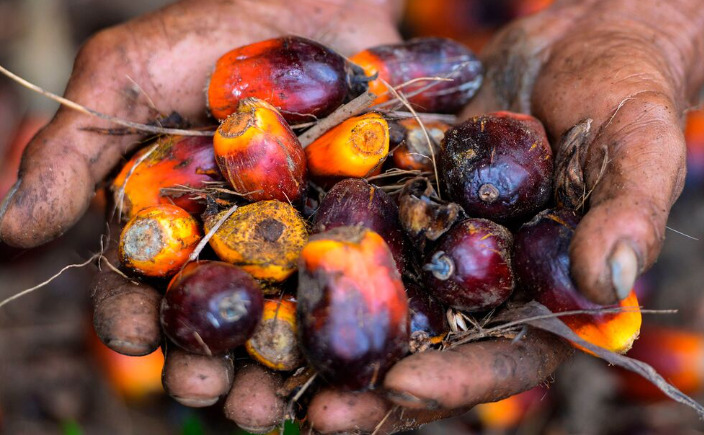
The ministry of energy and mineral resources (ESDM) Director of Bioenergy, Edi Wibowo said on Monday that the domestic consumption will include as feedstock for the production of biodiesel 50 percent (B50 mandatory program), which is a blending of 50 percent fossil diesel fuel and 50 percent fatty acid methyl ester (FAME) derived from the processing of CPO.
According to Edi, the palm export reorientation can be implemented if EU keeps blocking Indonesia’s palm oil products from entering the EU market.
He said that to avoid becoming problematic, Indonesia’s exports of 3 – 5 million tons of CPO, which are until now destined to EU market, can be diverted to meet local need as requested by President-elect Prabowo Subianto.
“If you (EU) don’t want to buy, we’ll take it to meet local needs, including for upgrading biodiesel production to B50,” said Edi, quoting the statement of President-elect Prabowo during a press conference in Central Jakarta on Monday (9/9/2024).
But Edi noted that besides diversion for local consumption, the CPO can be also reoriented to other countries outside EU. “But this is all being assessed,” he said.
Meanwhile, the ESDM’s Renewable Energy and Energy Conservation Director General Eniya Listiani Dewi said that concerning the implementation of mandatory program of B50 or B60, the government is considering a number of issues, which include incentives.
“Agriculture Minister Amran Sulaiman mentioned that export levy of palm oil will possibly rise, which is then expected to become the source of incentives. The global price of CPO will increase, if we hold the exports to EU for some time. When the price to other countries rises, we can get higher export levy,” she said.
But Eniya said that it is still being assessed by the government, especially on the aspect of its economics. “Besides incentives, other issues being considered are concerned with technical issues, infrastructure and feedstock,” she said.
According to her, the government needs to conduct a technical assessment of the test result of B50 use in the automotive and non-automotive sectors. “The assessment of B50 specifications is expected to be finalized in October 2024,” she said. (*)
Source: sawitku.id