JAKARTA – Are oil palm plantations not gender friendly?. Read the following facts to answer the question, which has been nagging the palm oil industries until now.
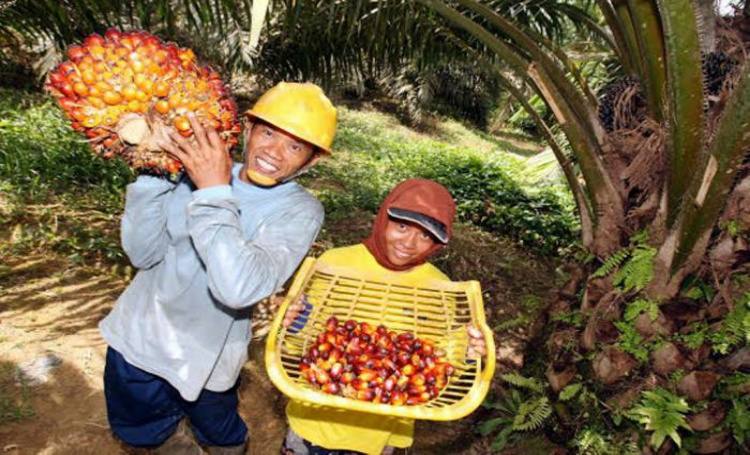
Gender equality has become a global issue. Employment in oil palm plantations has also become a global topic of discussions, especially on gender equality. The United Nations (UN) has included the gender equality as one of the goals (SDG-5) in the Sustainable Development Goals (SDGs). It is expected that all countries, industries, companies—including the palm oil industry, contribute to the global efforts of realizing the gender equality.
The palm oil industries employ both male and female workers. The division of works between female and male based on their core competency is part of protection of the workers. Considering that oil palm cultivation works require physical strength at higher level which is too heavy for female workers, then such works are dominated by male workers (Villamor et al., 2015; Mehraban et al., 2022). The gender stereotype has triggered the issue of gender equality in the palm plantations.
Indonesia’s law (UU) on manpower has comprehensively stipulates on the protection and gender equality. The palm oil stakeholders’ commitment in realizing the gender equality in palm plantations is contained in the system of certification of Indonesian Sustainable Palm Oil (ISPO), which is ruled through the presidential regulation (Perpres No. 44 Tahun 2020 and Permentan No. 38/2020) and the national action plan of sustainable palm oil (Inpres No. 6/2019). The regulation also stipulates the principles of gender non-discrimination (based on gender) and gender responsive.
The realization of gender equality has been also adopted as a joint commitment by the association of palm oil industry players, the ministry of woman and child protection, and NGOs involving in manpower/gender issues. The commitment is elaborated in the technical guidelines on protection of female workers’ rights in the palm plantations as part of the national action plan of sustainable palm oil. The technical guidelines are stipulated in the regulation on protection of female workers’ rights at company levels.
Generally, there are two important components contained in regulations of companies in improving the gender equality and gender protection for female workers in oil palm plantations (GAPKI, 2021).
First, gender equality in job opportunities and protection from gender discrimination. It is shown through representation of female workers in all lines of companies’ businesses from plantations to back office. Female workers in plantations’ operations work for spraying, fertilizing, maintaining, nursery, collecting loose palm fruits. The female workers also assume strategic positions in back office as internal auditor, in occupational health and safety units, approval commissions, membership management, secretaries, and treasurers. Companies also encourage female workers to apply for leadership positions/top-management and promote transparency in workers’ recruitment.
Second, protection of female workers’ rights. Regulations of companies must protect basic rights of female workers (such as maternity leaves, miscarriage leave, menstrual leave, breastfeeding time) and female workers’ rights (salaries, time off, trainings, promotions and equal social security). Companies are also required to provide facilities to meet and protect female workers’ rights, such as providing lactation room, childcare, clinics and routine health checks, clean sanitation, proper rest rooms, provision of personal protective equipment (APD), safe work equipment (including automated ones), and alternative job substitution for pregnant and breastfeeding women.
The commitment of palm plantation companies to protect female workers is also realized through the establishment of Gender Committee. This Gender Committee functions as a forum for female workers to speak to the management on the issues of equality, justice, protection, and female empowerment. Besides, the Gender Committee also provides protection for female workers against sexual harassment and violence.
The commitment of palm plantation companies in fulfilling and protecting the female workers’ rights is reflected in the level of job satisfaction of female workers. Besides compensation and economic incentive (Bahruni, 2015; Kamaruddin et al., 2016; Hee et al., 2019), the fulfilment and protection of female workers’ basic rights (menstrual leave, maternity leaves, and other female rights), absence of discrimination, and provision of health and safety services, have made the companies’ female workers having job satisfactions relatively higher compared to male workers (Rahman and Hidayat, 2014; Siahaan, 2022). The relatively high level of job satisfaction among the female workers is impossible to be realized, if they encountered gender discrimination and violations of female rights.
The above description has shown that from the perspective of ideology, policy and SOP of companies, the palm oil industries are on the right track in improving their gender friendly condition and integrating it into the sustainability of palm oil industries. Possibly, there are cases of violations against gender equality found in certain palm plantation companies. But certainly, such cases are against the prevailing regulations on employment and the commitment of stakeholders, which need quick tackling. (*)
Source: Mitos & Fakta Kelapa Sawit – 4th Edition (Mitos 4-16)