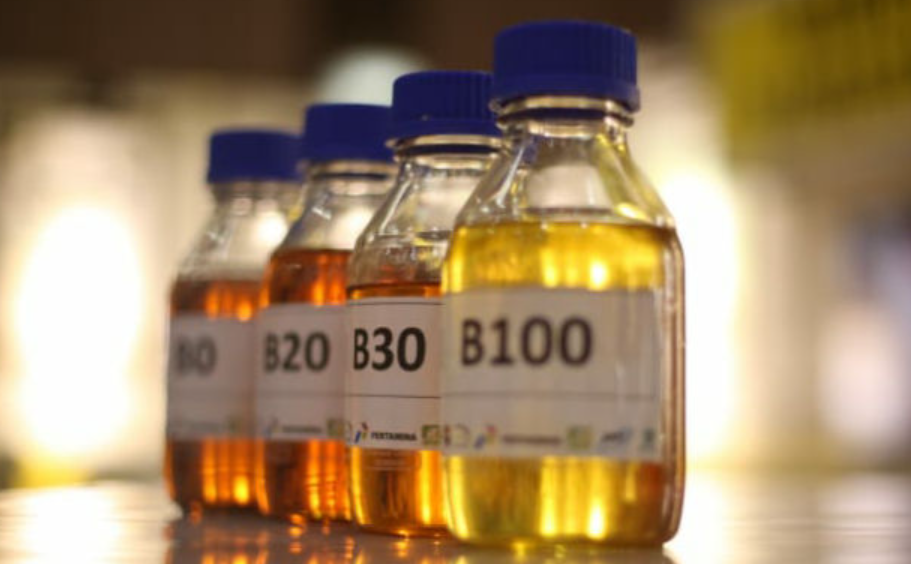
JAKARTA – President-elect Prabowo Subianto has stated in many occasions that he will speed up the implementation of biodiesel 50 percent (B50) program, as a further upgrading from the current B35. If it is realized, Indonesia’s export of crude palm oil (CPO) will be reduced or even eliminated.
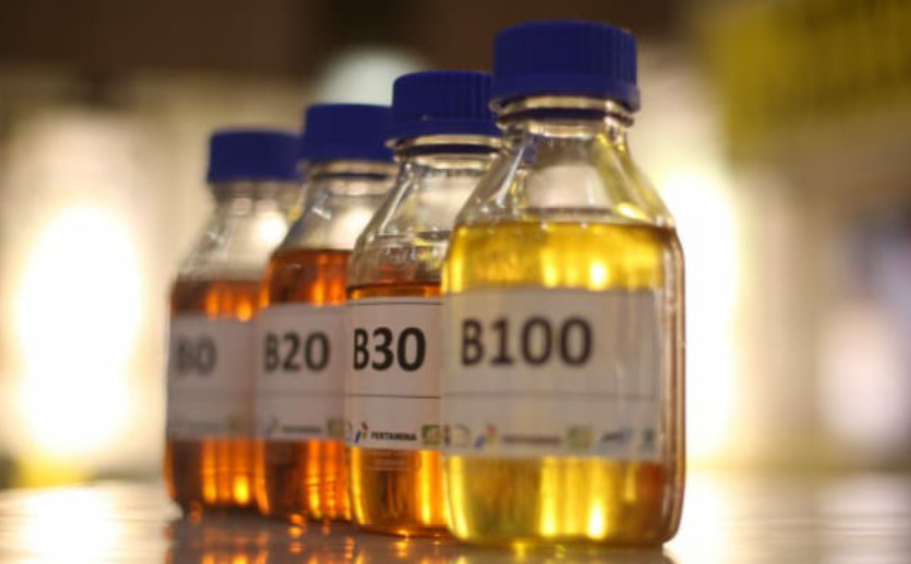
Deputy Minister of Agriculture (Wamentan), Sudaryono said the B50 program will be designed to serve Indonesia’s two-pronged strategy, namely to strengthen national energy reslience and to increase Indonesia’s bargaining position at the global market. “It will be part of our strategy to deal with the policies of the Western countries, which have discredited palm oil,” Wamentan Sudaryono said.
He said that Indonesia will pursue efforts of increasing palm oil exports to traditional markets and non-traditional markets. “Of all plantation commodities, the palm oil is the most prepared one to compete at the global market. We try to push it to increase global market penetration. But in case we face problems at global market, we can convert our CPO into B50 as a means to absorb our unexported palm oil and to strengthen our bargaining position at the global market,” Sudaryono said during the plantation event of Perkebunan Indonesia Expo (BUNEX) 2024 in Pagedangan, Tangerang, Banten, on Thursday (12/9/2024).
According to him, it is because Indonesia controls almost 60% of the global palm oil export. “We’re the world’s largest producer and exporter of palm oil. But the palm oil industry players, companies and smallholders, are worried about whether they could continue exporting their products. But now we have a substitution as a buffer against any untoward in foreign markets. If there is any country hampering our palm oil exports, we can just convert it to energy, which is the B50,” he said.
By controlling almost 60% of global palm oil supply, Indonesia is able to convert its palm oil into B50. “We can be sovereign in food and energy. We’ll be no longer determined by buyers. Why? If the buyers won’t buy our palm oil, then we’ll just convert it into energy. Besides, with the implementation of B50 program, we can also control the price of palm oil commodity at the market.,” said Sudaryono.
The deputy minister said that it is like Brazil which applies such strategy in its sugarcane commodity. “When the price of sugarcane is high, Brazil use it for sugar production. When the sugarcane in very low price, the country use it to produce bioethanol to stabilize sugar prices,” he said.
He said that the agriculture ministry will continue to be committed to supporting the production of biodiesel from palm oil. “We’ll continue supporting the upgrading of biodiesel program from the current B35 to B40, to B50, and even to B100 as we’ve managed to master its technology,” he said. (*)