TANGERANG – The Indonesian Palm Oil Association’s (GAPKI) Executive Director Mukti Sardjono said the palm oil industry players hope that the government will formulate an investment policy that will create conducive condition for palm oil investments in Indonesia.

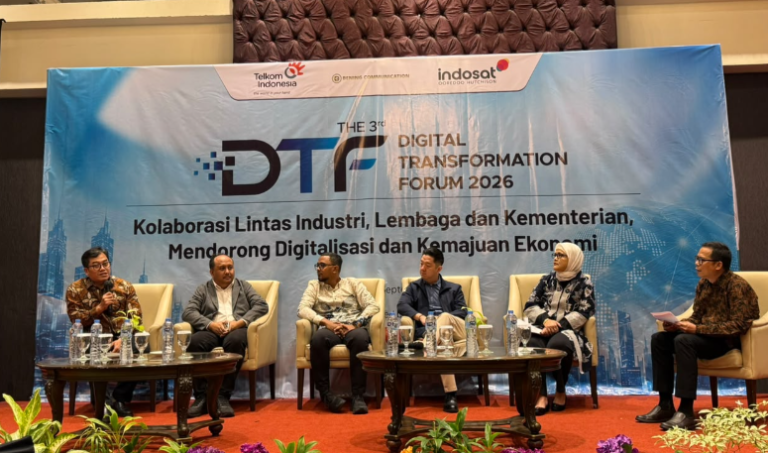
According to Mukti, the government needs to streamline its policy and bureaucracy on the palm oil industry, which is currently under the authorities of 37 institutions and ministries. “For palm oil industry, the 37 institutions are too many. Such condition makes process of bureaucracy more complex and potential to hinder good coordination and management,” Mukti said during the business meeting of P3DN VIII on ‘Developing Ecosystem of Digital Economy for Local Products’ at the ICE BSD, Tangerang, on Wednesday.
One Powerful Institution
Mukti said that the palm oil industries should be managed by only one institution with full authority to manage all aspects of the palm oil industries from on-farm to off-farm. “There should be just one powerful institution. It will make coordination easier, taking decision faster, and reducing overlapping regulations that we’re now facing,” he said.
ISPO Certification Support
Mukti has also restated the commitment of GAPKI in supporting the Indonesian Sustainable Palm Oil (ISPO) certification as part of the global market requirement for sustainability. “The ISPO certification is an important step for Indonesian palm oil to be recognized as a sustainable commodity,” he said.
To ensure the sustainability of Indonesian palm oil, Mukti said all palm oil companies are obliged to implement good governance and comply with all prevailing regulations. Every palm company should have plantation business licenses before starting their business operations.
“We comply with all prevailing regulations, including obligation to have plantation business licenses,” added Mukti.
National Top Commodity
Mukti also underlined the importance of maintaining palm oil as the national top commodity, which is locally produced without any imported content. “Palm oil is 100% national product, no imported content. It should be our national pride and dignity,” he said.
Big Economic Contribution
The palm oil industries have significantly contributed to Indonesian economy, especially in foods and energy sectors, and for exports. Indonesia’s palm oil export value reached US$38 billion in 2022, US$30 billion in 2023. Despite declining in 2023, it still contributes significantly to Indonesian state income.
Besides export contribution, the palm oil industries also employ around 16 million people, on-farm and off-farm. “That’s why we need to maintain the efficiency and sustainability of our palm oil industries,” said Mukti. (*)