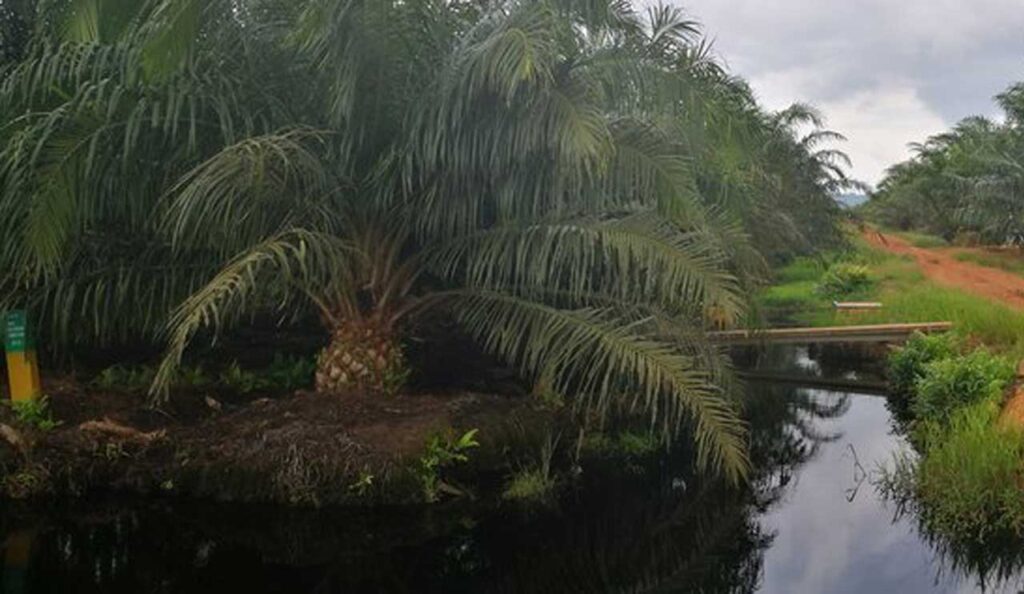
JAKARTA – Indonesia has the world’s largest area of peat lands which need to be preserved as global carbon storage. Surely, it is a wrong statement. It has peat lands, but not the largest in the world. To know more about it, please read the following facts and description.
The peatlands are the result of piling of materials in the form of organic litters (biomass) which decompose under water-saturated condition. Under such condition the rate of addition/ production of organic material is faster than the rate of decomposition. Peatlands have a hydrological function due to their ability to store very large amounts of groundwater and high carbon stocks as a result of the large content of organic components in the land.
Peatlands can be found in many countries across the globe, in tropical climate countries and sub-tropical/ temperate climate countries, but they are different in types of peat soil.
Based on data from Wetland International, the global peatlands have a total area of 381.4 million hectares, which are spread (photo-1) across regions of Europe and Russia (44 percent), USA (40 percent), Africa (3 percent), Indonesia (7 percent), other Asian regions (3 percent), Australia and Pacific (2 percent), and Antarctica (0.4 percent).
Following is the list of countries with peat lands, from the largest areas to the smallest ones:
- Russia (137.5 million hectares),
- Canada (113.4 million hectares),
- USA (22.4 million hectares),
- and Indonesia (18.5 million hectares).

Studi Ritung et al. (2019) menyebutkan luas lahan gambut Indonesia sebesar 13.4 juta hektar. Perbedaan data Wetland Internasional (2018) dan Ritung et al. (2019) tersebut disebabkan karena kemungkinan adanya perbedaan perlakuan atas lahan pasang surut, dimana sebagian besar lahan pasang surut di Indonesia bukan lahan gambut.
Dengan data tersebut menunjukkan bahwa Indonesia bukan pemilik lahan gambut terbesar dunia meskipun termasuk dalam empat besar negara yang memiliki lahan gambut terluas di dunia. Tentu saja lahan gambut perlu dilestarikan melalui perlindungan (hutan lindung gambut) maupun pemanfaatan dengan memperhatikan azas-azas berkelanjutan (gambut budidaya). (Mitos 6-17)
Referensi :
- Joosten H. 2009. The Global Peat Land CO2 Picture: Peat Land Status and Emission in all Countries of The World. Tersedia pada: https://unfccc.int/sites/default/files/draftpeatlandco2report.pdf
- Ritung S, E Suryani, E Yatno, Hikmatullah, K Nugroho, Sukarman, RE Subandiono, C. Tafakresnanto, Suratman, H Hidayat, D Sudradjad, U Suryana, W Supriyatna, A Hartadi. 2019. Peta Gambut Indonesia Skala 1:50.000. Edisi Desember 2019. Jakarta (ID): Badan Litbang Pertanian Kementerian Pertanian RI.