JAKARTA – The Oil Palm Plantation Fund Management Board (BPDPKS) has been continually supporting the government’s mandatory program of biodiesel, which will be upgraded from the current biodiesel 35 percent (B35) to B40 next year.
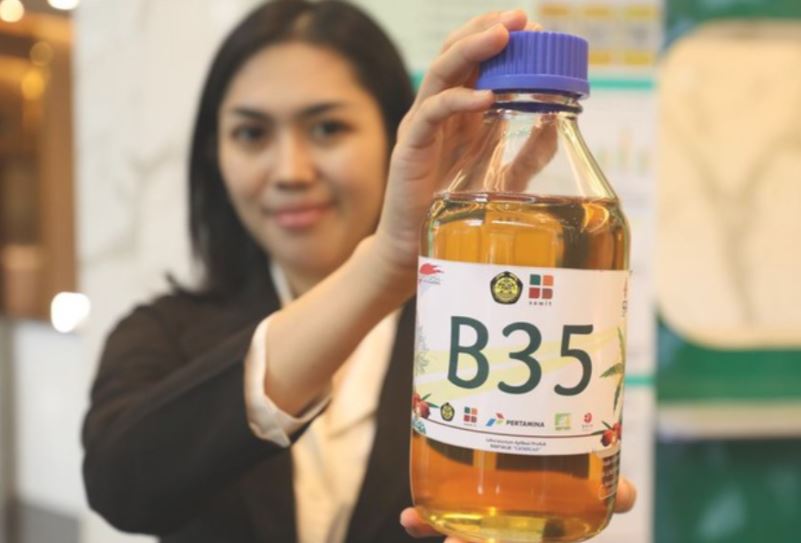
The development of biodiesel from palm oil as renewable energy has reduced the greenhouse gas (GHG) emission and import of fossil fuels, enabling Indonesia to save its foreign exchange.
“With the implementation of the current B35 program, we’ve managed to save our foreign exchange at Rp512.07 trillion,” BPDPKS Fund Collection Director Normansyah Hidayat Syahruddin said when addressing a seminar organized by Rumah Sawit Indonesia (RSI–Indonesian Palm Oil House) in Jakarta on Monday (18/11/2024).
The BPDPKS plays a very strategic role in implementing the mandatory program of biodiesel. Assigned to collect palm oil export levy, BPDPKS has ensured the sustainability of the biodiesel mandatory program, which will be upgraded by the government from the current B35 to B40 in 2025 and to B50 in 2026, and possibly higher in the next few years.
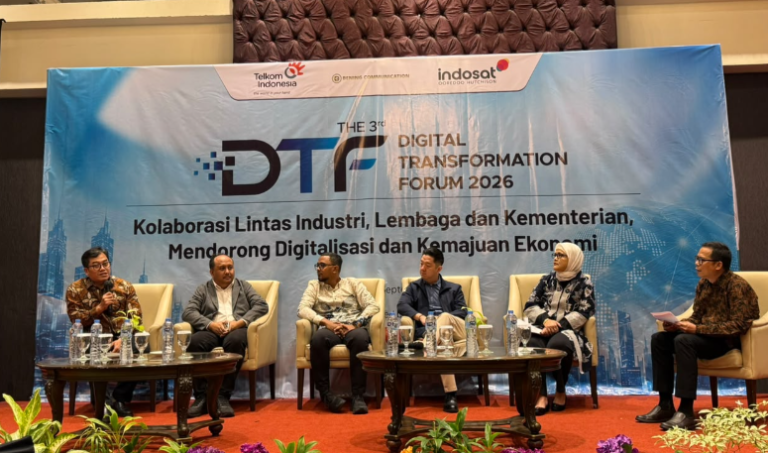
“The government has consistently maintained the biodiesel mandatory program during the breakout of Covid-19 pandemic and when oil prices reaching high at the global market. Since early 2023 we’ve implemented the B35 with a realized distribution of 12.26 million kiloliter (KL), and as of August 2024 the volume of biodiesel distribution had reached 8.35 million KL,” Normansyah said at the seminar with the theme “Realizing Sovereignty in Foods, Enenrgy and Economy Through Oil Palm Plantations Toward Reaching Golden Indonesia 2045″.
During the occasion, Normansyah also underlined the importance of palm oil industries for Indonesian economy. “As a labor intensive industry, the palm oil sector has significantly contributed to our national economy. It drives our economic growth, exports and trade balance. It reduces inflation and saves foreign exchange. As a renewable energy, the biodiesel from palm oil has also reduced emissions while strengthening our national energy resilience,” he said.
But he noted that the palm oil industries are also facing a number of challenges, globally and nationally. “The national challenges include low productivity (averagely at 2.8 tons of CPO per hectare per year), located on forests (estimated at 3,0 million hectares), legal problems, and poor infrastructure and facilities,” he said.
“The global challenges include trade barriers—tariff and non-tariffs, and black campaigns launched by certain groups at the global market,” said Normansyah. (*)
Sawitkita.id (2024). Mandatori Biodiesel B35 Hemat Devisa Impor Rp512 Triliun. https://sawitkita.id/mandatori-biodiesel-b35-hemat-devisa-impor-rp512-triliun/ : 19 November 2024