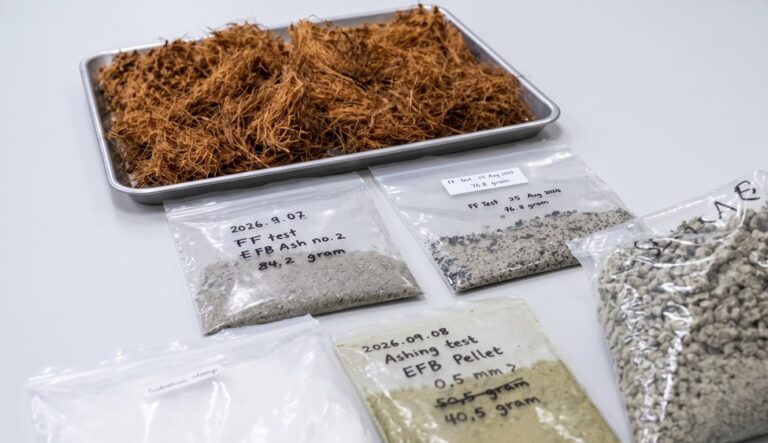
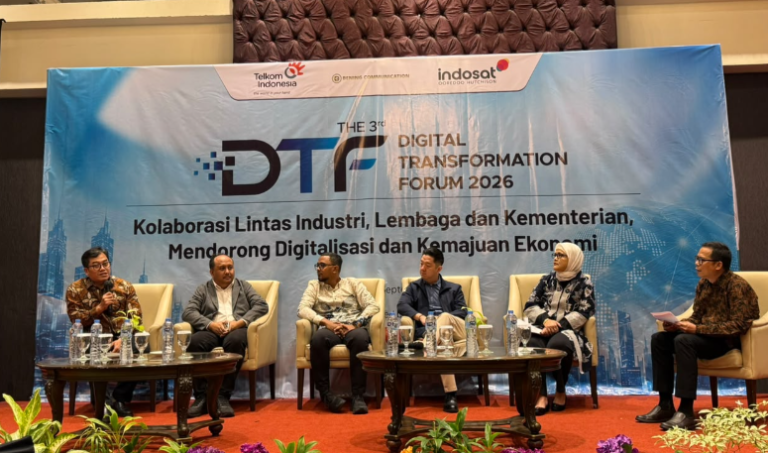
BOGOR – Palm oil stakeholders should continue to look for technological innovations to convert palm oil wastes, which are considered useless or even dangerous into products with higher added value in the future.
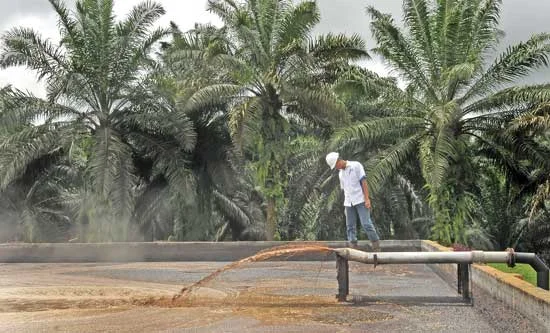
Such is an important conclusion taken from the Focus Group Discussion (FGD) with the theme “Improvement of Regulations on Government Policies on the optimum and sustainable usage of Palm Wastes (LCPKS)”, which was organized by PUSAKA KALAM in Bogor, West Java, on Wednesday (05/02/2025).
Before proceeding into a series of discussions, the FGD was opened by Firdaus Alim Damopolii, S.T., M.M as director of water quality control and protection at the ministry of environment, who represented the minister of environment.
The first discussion was moderated by Prof. Dr. Ir. Yanto Santosa, chairman of expert council at PUSAKA KALAM, and was addressed by Dr. Ir. Basuki Sumawinata, M.Agr (a researcher of PUSAKA KALAM), and Prof. Dr. Ir. Erliza Hambali, M.Si (Professor of Agriculture Engineering at IPB University), who both discussed about the use and processing of palm oil wastes optimally and sustainably.
The next session was addressed by Dr. Sadino, S.H., MH. (Forestry Law Expert at Al Azhar University Indonesia) and Dra. Harni Sulistyowati (Expert on Environmental Impact Control, Ministry of the Environment), who both discussed about the concept of adjusting the Environment and Forestry Minister Regulation No.5/2021.
By applying the right technology, the palm wastes can be used as a liquid organic fertilizer which is very rich in nutrients and a renewable energy source, while also playing a role in reducing greenhouse gas (GHG) emissions. Therefore, the best choice of any waste processing mechanism of “Land Application (LA)” remains a “must”.
However, the implementation of this option is hampered by regulatory obstacles as a result of the revocation of Minister of Environment Decree No. 28/2003 as the new regulation that replaces it (which regulates the use of wastes, quality standards and other related aspects) is considered still having various weaknesses.
The FGD was attended by more than 100 participants, consisting of academics, researchers, the ministry of environment, the ministry of agriculture, industry practitioners, palm oil companies and environmental NGOs. With active participation from various stakeholders, it is hoped that the management of wastes in the future can be more optimal, sustainable and oriented towards optimizing economic benefits while remaining environmentally conscious and contributing to improving community welfare.
Academic Scripts Prepared
An academic text on “Optimal and Sustainable Management of Palm Wastes” has been prepared and is expected to become a valid scientific basis for efforts of improving policies and regulations related to palm wastes management, so that it can provide legal certainty and facilitate its wider use. With this academic study, it is hoped that the government will have a strong commitment in creating conducive policies to encourage the use of palm wastes as an organic fertilizer and renewable energy source which can also reduce greenhouse gas (GHG) emissions.
To make the academic paper more comprehensive and meets the expectations of the palm oil stakeholders, PUSAKA KALAM sees it necessary to organize the public hearing, during which the public can exchange ideas, provide each other with suggestions and input needed to improve the academic paper.
In addition to the discussions, there was also an interesting presentation on “Utilization of Wastes for Production of Sustainable Aviation Fuel (SAF)” , which was delivered by Dimas Haryo Pamungkas, S.Si, M.M., a senior researcher from Indonesia Palm Oil Strategic Studies. (*) Source: sawitindonesia.com