JAKARTA – Minister of National Development Planning and Chairman of the National Development Planning Board (PPN/Bappenas), Rachmat Pambudy said that the government has designed a roadmap of palm oil downstreaming program for the next 20 years through the national long term development plan (RJPN) 2025 – 2045. The downstreaming program will be implemented through four stages.
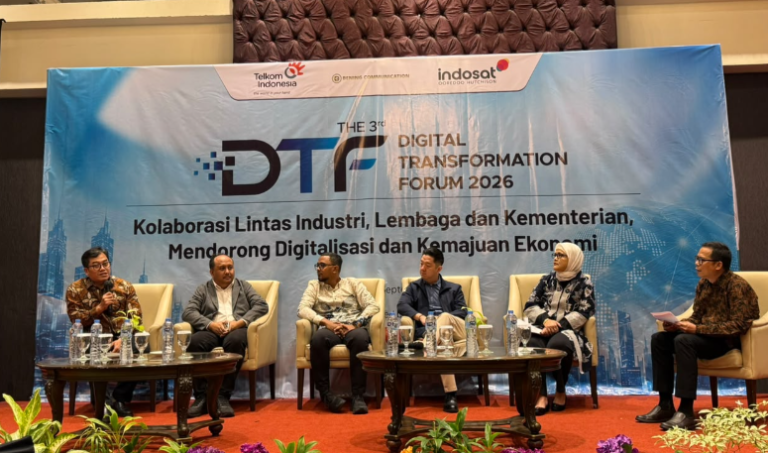
“Based on our RPJPN 2025-2045 and our medium term development plan (RPJMN) 2025-2029, we’ll keep pushing the downstreaming of palm oil as our strategic commodity, through four stages, namely strengthening its industrial ecosystem, increasing production capacity to meet domestic need, increasing competitiveness for global expansion, and achievement of net export. We hope the palm oil downstreaming will generate higher and more sustainable economic growth,” Rachmat Pambudy told the participants of a national seminar on palm oil organized by Bogor University of Agriculture (IPB), which was monitored in Jakarta on Tuesday.
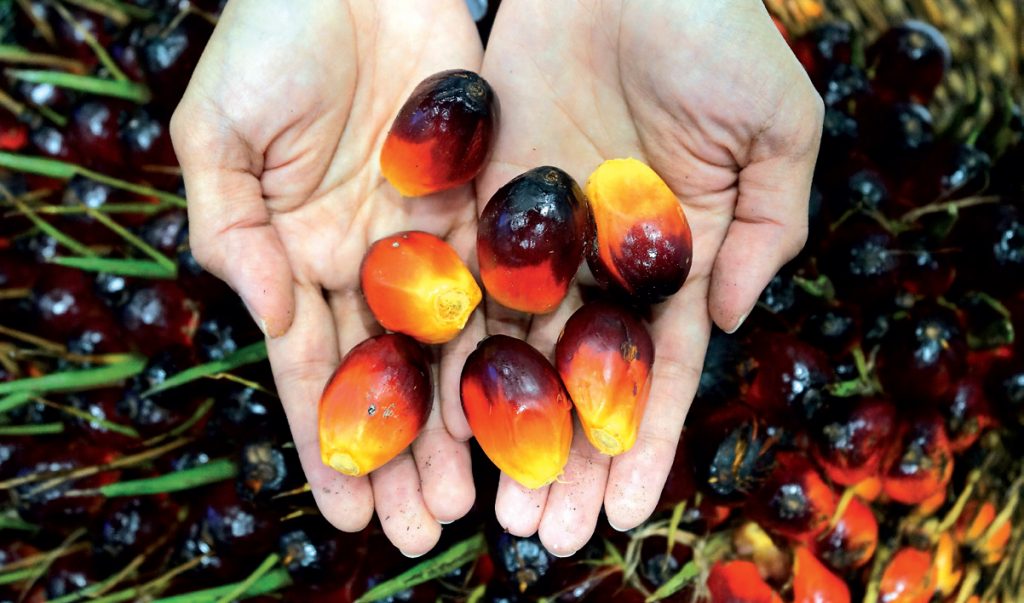
According to him, the downstreaming program of palm oil is quite potential based on a number of factors, which include the position of Indonesia as the world’s largest producer of crude palm oil (CPO). Indonesia controls 68.7 percent of the global total production of palm oil.
The mandatory biodiesel policy (B40) and free nutritios food program are also seen highly potential to increase demand for palm oil products.
The oil palm plantations can also support the government’s program of food self-sufficiency through the implementation of intercropping system, agroforestry, cattle and oil palm integration system (SISKA). Besides supporting the food self-sufficiency program and protecting the environment, all of the systems will help the palm planters in increasing their additional income.
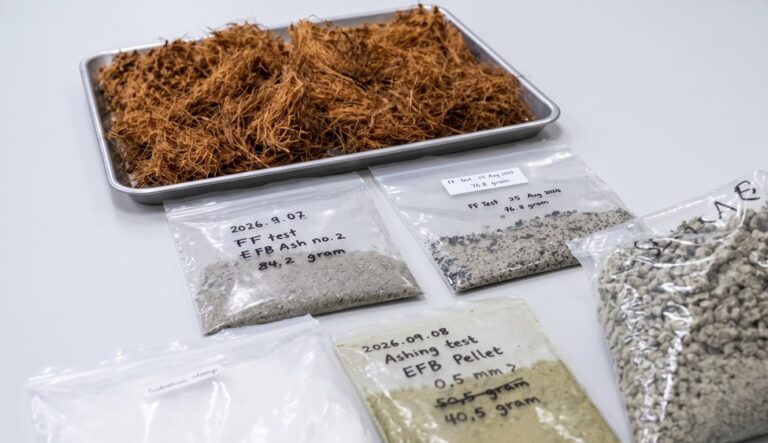
The palm oil is potential to support the national energy self-sufficiency and resilience and achieve the target of national energy mix through production of bioenergy products. The biomass wastes of oil palm plantations–fiber, shells, empty fruit bunches, fronds and midribs, and trunks, are potential as alternative energy sources.
The cultivation of oil palm plantations supports the application of circular economy by utilizing all components of palm trees to produce products of economic value.
Rachmat stated that the oil palm plantations can function to absorb carbon emissions and release oxygen at different rates than forests. (*) Source: antaranews.com | sawitku.id