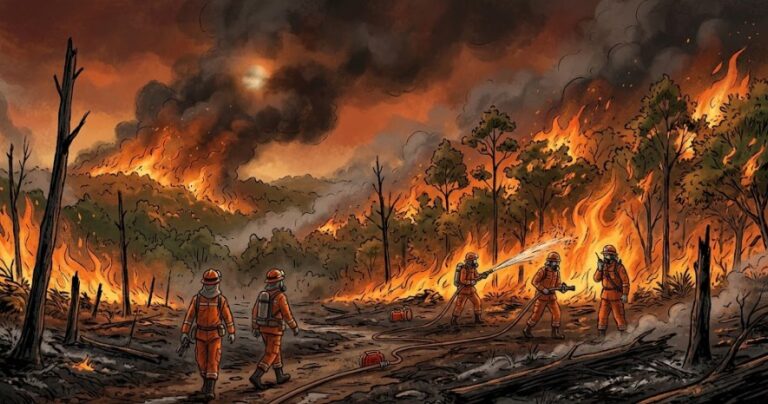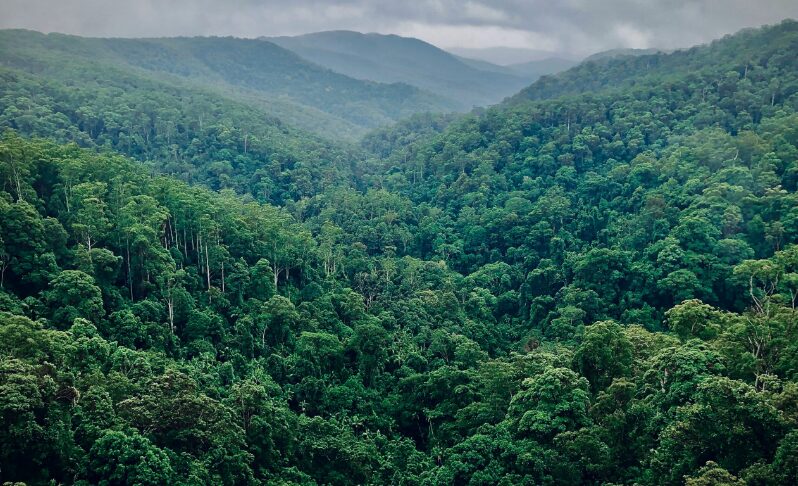
JAKARTA – History of every country has shown that developments of cities, industrial areas, residential areas, and agricultural areas are resulted from deforestation. All of such developments are intended to improve the public welfare of every country.
In Indonesia such developments also include the development of oil palm plantations, which has seen a significant growth during the last 30 years. But despite being intended to increase economic growth as part of efforts to improve public welfare, it has given rise to negative views that denigrate palm oil by attributing such development to deforestation. A group of people have stated that the oil palm plantations are the main cause of deforestation in Indonesia.
No Country Free From Deforestation
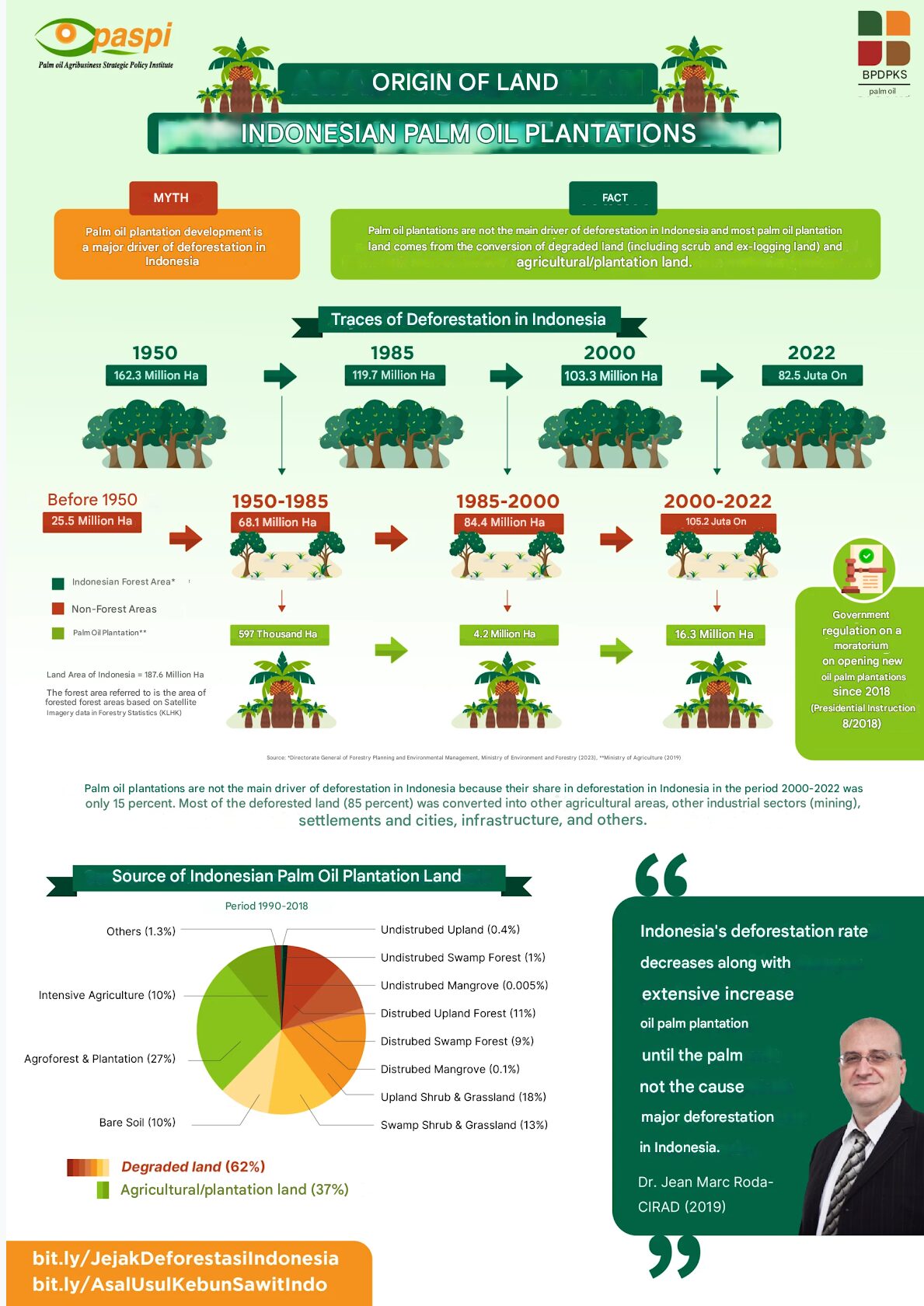
Not only Indonesia, other countries in Europe and America have also converted their forests to non-forests to meet rising needs for space to accommodate increasing activities of economy (industries and agriculture) and to develop residential areas. Deforestation in Indonesia has increased from just 25.5 million hectares before 1950 to around105.2 million hectares during 2000-2022. The oil palm plantation areas have also increased from just hundreds of thousands hectares in 1980s to 16.3 million hectares in 2022.
If compared proportionally, the total areas of oil palm plantations in Indonesia are only around 15 percent of total deforestation in the country. It means that oil palm plantations are not the main cause of deforestation in Indonesia. Then if not oil palm plantations, which economic sectors that use around 89 million hectares of deforested areas?
Forgotten History of Deforestation
By tracing history, we can find that the ministry of forestry during the New Order era (1969-2000) gave massive and intensive licensing of logging in islands of Sumatera, Kalimantan and Sulawesi. The logging activities had caused degradation of forests and turned into abandoned bushes. As a result, the New Order government designed a program to utilize the ex-logging areas for development of oil palm plantations and transmigration areas.
Study of Palm Areas From Ex-Logging
To strengthen the counter negative issue, Gunarso et al. (2019) conducted a study about the origins of oil palm plantations during 1990 – 2010, which was then followed by Suharto et al. (2019) during period of 2010-2018. The study uses data on land use change from satellite images issued by the planology agency of the ministry of environment and forestry. The results of the study shows that around 62 percent of oil palm plantations in Indonesia are originated from degraded lands (including shrubs, ex-logging areas) and around 37 percent are originated from agricultural lands, plantations, and agroforestry.
Various researches, such as those conducted by Erniwati et al. (2017) and Santosa et al. (2020), also show the same case, which is Indonesia’s oil palm plantations are not the results of converting forests to non-forests, but the conversion of forests to shrubs (degraded lands) or agricultural lands/agroforestry and then to oil palm plantations. Besides Indonesian researchers, international researchers also reveal the same case. A study conducted by Jean-Marc Roda from French Agricultural Development Institute (CIRAD) in 2019 revealed that the rate of deforestation in Indonesia decreased along with the increase of oil palm plantations. It means the oil palm plantations are not the main cause of deforestation in Indonesia.
The Indonesian government has also continually improved the governance of palm oil business through the application of presidential instruction (Inpres) No. 8/ 2018 on moratorium of licensing new areas for oil palm plantations. The regulation has been applied since 2018 and has been extended until now. The regulation shows the commitment of palm oil stakeholders in Indonesia to guarantee sustainable development of oil palm plantations, including the realization of zero-deforestation commitment. (*)
Palmoilina.asia. https://palmoilina.asia/kategori-berita/berita-infografis/. Asal Usul Lahan Sawit [Infografis 2023]. Desember 27, 2023