JAKARTA – The use of biochar as a restorer of degraded lands, which are damaged by excessive use of chemical fertilizer, has been continually increasing. The biochar has proven to be effective in restoring the fertility of lands.

Unlike other organic materials, the biochar is stable for hundreds or even thousands of years if it is mixed into soil and is able to sequestrate carbon inside the soil and restore its fertility.
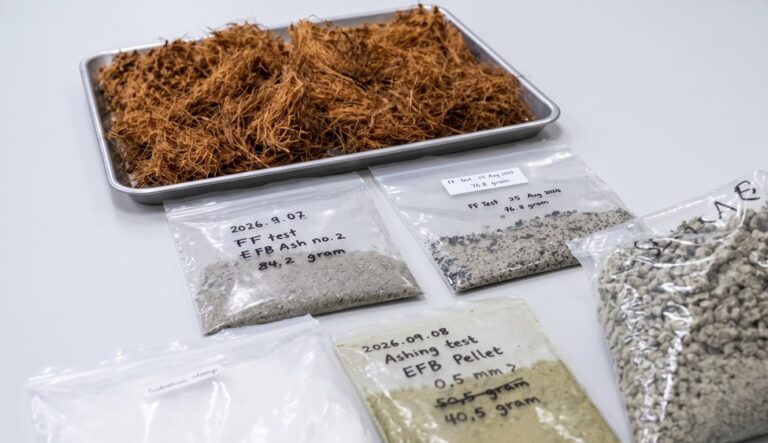
The biochar is made of agricultural wastes (biomass), such as empty palm fruit bunches, rice husks, wood sawdusts, coconut shells, and others. The biomass is burned at a temperature between 250-500 degrees Celcius for 2-3 hours with a little oxygen mixture.
The combustion method with pyrolysis technique will produce activated charcoal with carbon content of 10 times higher compared to conventional charcoal, usually used for grilling satay.
Among many agricultural wastes, the best ones for making the biochar are as follows:
Palm shells
Biochar from palm shells has a high water holding capacity , making it able to maintain soil moisture.
Moist soil enables bacterial cells to grow that will then provide a high availability of organic materials within the soil. The biochar from palm shells can also improve the land structure and support the life of soil microbes as biochar can retain a higher population of bacteria if compared to compost materials.
Rice Husks
Rice husks are organic wastes that are difficult to be composted due to their hard texture and not easy to degrade. But the rice husks can be processed through the pyrolysis technique to produce biochar, which can be used as ameliorant material and as organic fertilizer carrier material. The byproduct from the process of making biochar from rice husks is liquid smoke.
Corn stalks and cobs
Corncob biochar consists of material that can be more easily decomposed through pyrolysis technique at temperatures of between 300-400°C. It can be seen through its higher carbon content of 71.62% and the lowest volatile matter content of 19.22%. Biochar made of corn biomass can improve the growth of corn plant and pH in Ultisol soils, making it suitable material to restore soil. (*)
Sawdusts
Sawdust as waste from sawmills can be used as a raw material to produce biochar because of its carbon content up to 72%, exceeding the required level of 70%. Its high content of carbon will determine the yield and quality of the resulting activated carbon.
The four types of agricultural wastes mentioned above are widely and abundantly available across Indonesia to produce the biochar. It’s now time for Indonesia to optimize them as raw materials to produce biochar. (*)