JAKARTA – The low participation of independent smallholders in the implementation of Indonesian Sustainable Palm Oil (ISPO) certification has continually drawn public attention. Based on data from the i-Hi Consulting, as of February 2025 the participation of oil palm smallholders in the ISPO certification was still below 1.0 percent of the total oil palm plantations owned by smallholders in Indonesia.
Commenting on such condition, Acting Head of Upstream Plantation Fund Distribution Division at the Plantation Fund Management Board’s (BPDP), Dwi Nusantara emphasized the importance of integrating the ISPO program and the replanting program for oil palm smallholders (PSR).
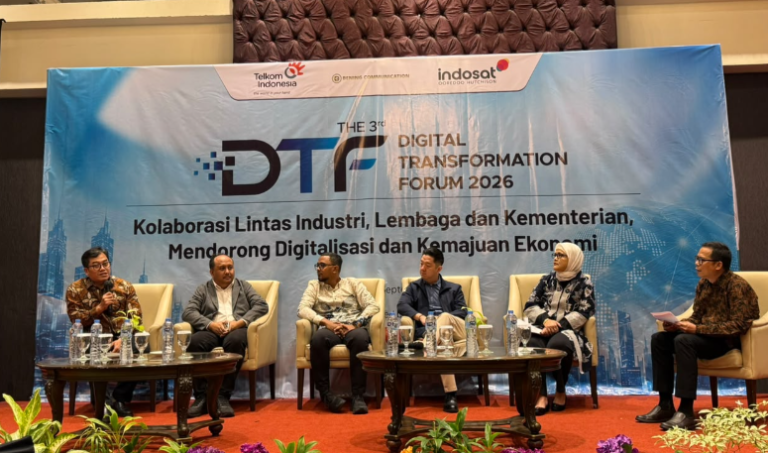
According to Dwi, the two programs have similarities in terms of administrative requirements. “Having similarities, the two programs can be integrated into just one scheme of implementation,” Dwi told participants of national workshop on acceleration of ISPO certification as reported by bpdp.or.id in Jakarta on Tuesday (5/8/2025).
Dwi said that by integrating the process of mentoring and financing, the implementation of the two programs can be optimized. “The government should also consider a formulation of an integrated incentive scheme, which allows the smallholders who already got ISPO certificates to directly gain access to a variety of facilities and supports, such as fertilizer assistance and other kinds of incentives to assist the smallholders.
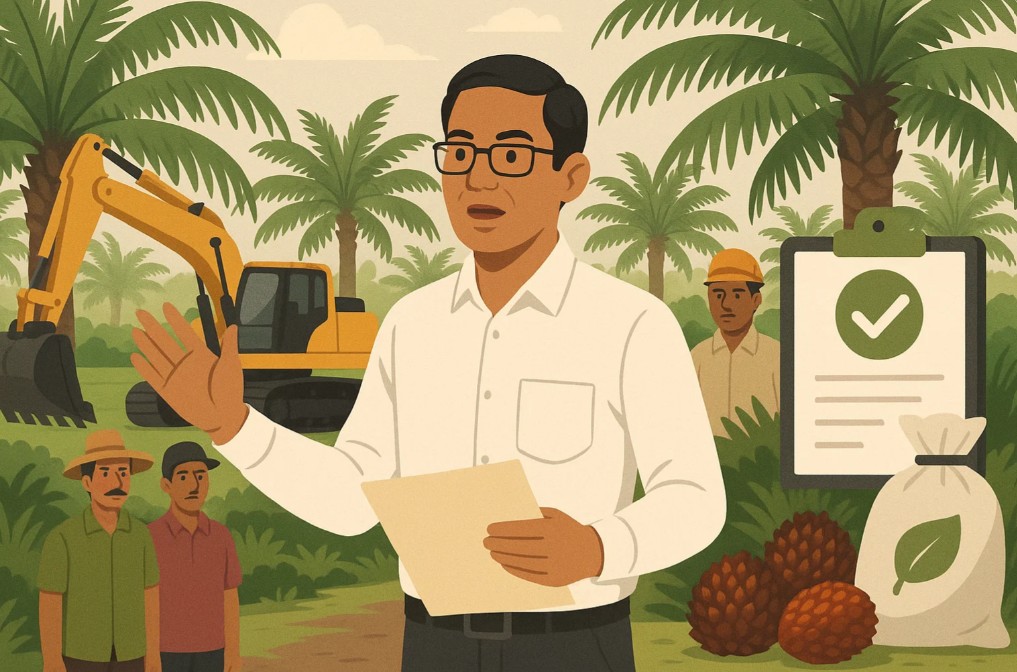
He said that if the smallholders’ land status is clear and already certified with ISPO, there should be no obstacle that delays the supports for the smallholders. He cited the example of assistance in the form of heavy equipment, such as excavator, which should be provided as an incentive. “Such incentives are better than just promising premium price which is seen uncertain in its implementation,” he said.
According to Dwi, the incentive-based approaches are more attractive for smallholders to take part in the program of ISPO certification, instead of just making the certification as a burdensome obligation.
He said the integration of replanting program (PSR) and ISPO certification for smallholders should be supported with clear regulations, especially from the plantation directorate general of the agriculture ministry, to ensure that there will be no smallholders unable to participate due to administrative obstacles.
He also underlined the importance of intensifying the socialization and pursuing alignment of inter-institution policies. “Actually, there have been many smallholders trying to make improvements, but they were hindered by information barriers and technical matters regarding the application to participate in the program,” he said.
“BPDP has been continually pushing for the application of policies that focus on ease of access, program synergy and direct benefit on the field. That way the ISPO certification can become part of the solution to increase the competitiveness and welfare of the oil palm smallholders in Indonesia,” he concluded. (*)